
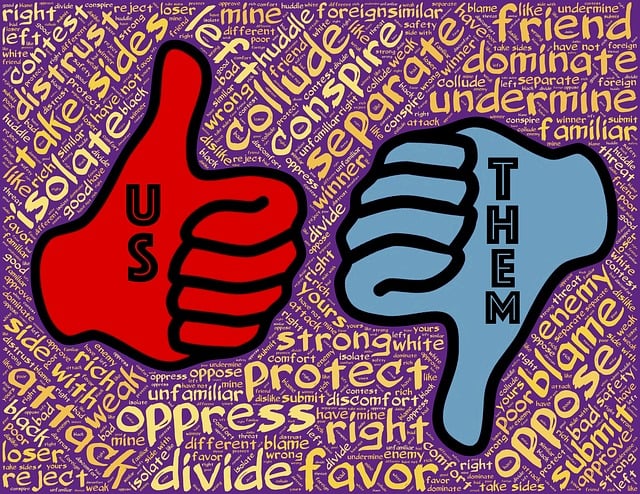
Who is the real ennemy? The Media or Ourselves: What Therapy approaches is effective for media-induced panic. Deciphering the mental health code.
In today’s hyperconnected world, the media has become a powerful force—shaping narratives, molding opinions, and influencing emotions. News cycles, social media platforms, and online commentary often bombard us with sensationalized stories, crises, and fear-driven headlines. But the pressing question is: Who is the real enemy here—the media, or our own unguarded minds?
The answer is complex. While the media plays a role in amplifying fear, panic often takes root within us—through the way we process, internalize, and respond to this information. To understand how to protect our mental well-being in this environment, we must first understand the psychological dynamics at play.
1. How Media Fuels Panic
Media thrives on engagement. Headlines are designed to trigger emotional responses—fear, anger, shock, and urgency—because these feelings keep us scrolling and clicking. Constant exposure to alarming content activates the brain’s amygdala, the center responsible for threat detection. This can lead to:
- Heightened anxiety and hyper-vigilance
- Emotional exhaustion from constant crisis alerts
- Difficulty distinguishing fact from sensationalism
- A sense of helplessness or impending doom
This state of perceived danger is powerful. Even when the threat is not directly affecting us, our nervous system reacts as if it were—leading to a cycle of panic and overconsumption.
2. Our Role in the Cycle: The Inner Enemy
While media triggers the response, we often unconsciously feed the cycle. Doomscrolling, compulsive checking of news updates, and participating in emotionally charged online debates keep us trapped in a loop of fear. Our cognitive biases—especially negativity bias—make us more likely to focus on alarming information than on neutral or positive content.
This internalization turns external noise into internal chaos. We begin to lose control of our thought processes, allowing fear narratives to shape our worldview. In essence, the real enemy is not only the external message but also how we interpret, amplify, and react to it.
3. Therapeutic Approaches to Media-Induced Panic
Fortunately, several therapeutic approaches can help break this cycle and restore emotional balance:
a. Cognitive Behavioral Therapy (CBT)
CBT helps individuals identify distorted thinking patterns triggered by media exposure. By challenging catastrophic thoughts and reframing narratives, people learn to differentiate between actual threats and exaggerated perceptions.
b. Mindfulness-Based Stress Reduction (MBSR)
Mindfulness practices bring awareness to the present moment, reducing emotional reactivity to sensationalized news. This approach helps individuals observe information without being consumed by it.
c. Psychoeducation and Media Literacy
Therapists often incorporate psychoeducation to teach clients how media operates, why sensationalism sells, and how algorithms influence what we see. Understanding these mechanisms helps individuals detach emotionally from manipulative content.
d. Digital Detox and Exposure Control
Just as exposure therapy can help reduce phobias, intentional media breaks and boundaries help retrain the brain to not rely on constant news input for safety. Scheduling “media-free” times can significantly lower anxiety levels.
e. Somatic and Nervous System Regulation Techniques
Media panic is not just cognitive—it’s physiological. Techniques like deep breathing, grounding exercises, and movement help calm the body’s fight-or-flight response, allowing clearer thinking.
4. Deciphering the Mental Health Code
The key to managing media-induced panic isn’t about shutting out the world entirely—it’s about reclaiming agency. We cannot always control what the media shares, but we can control how we respond.
- We choose how much to consume.
- We decide which narratives to believe.
- We can build psychological tools to remain grounded.
The real enemy, then, isn’t purely the media—it’s unexamined reactivity. By understanding our mental and emotional mechanisms, we break free from panic-driven loops.
Reclaiming your inner peace by understanding what is at play here.
The world is often loud, and fear is a powerful tool used to capture attention. But your peace of mind is not something to be bought or sold. By strengthening mental health strategies, developing media literacy, and seeking therapeutic support, we can build resilience that stands firm against external chaos. It’s essential to question information thoughtfully and distinguish fact from sensationalism. History has shown that during times of crisis, narratives can become polarized, and misinformation can spread quickly. Rather than accepting everything at face value, critical thinking, credible research, and calm reflection allow us to make informed decisions. Maintaining clarity of thought is one of the strongest defenses against fear-driven narratives.
The true power lies not in what is broadcasted—but in how we choose to interpret and respond.
Learn More
The Psychological Impact of Trump-Era Immigration Policies: Fear, Uncertainty, and the Future of Immigration Laws

The Trump administration implemented some of the most stringent immigration policies in recent U.S. history, dramatically altering the landscape for immigrants, their families, and communities. From family separations at the border to aggressive deportation efforts and restrictions on legal pathways, these policies have left a lasting psychological impact on immigrants, including those with legal status, as well as future generations.
While the political rhetoric surrounding these policies aimed at “strengthening national security” and “protecting American jobs,” the human cost has been profound. Fear, anxiety, and trauma have become widespread among immigrant communities, affecting their mental health, social well-being, and economic stability. This article explores the short-term and long-term psychological effects of these policies and their broader implications on immigration laws and the generations to come.
Under the Trump administration, immigration policies shifted from prioritizing the deportation of criminals to a broader crackdown that targeted nearly all undocumented individuals, including some with legal status. This change stemmed from executive orders and policies that expanded enforcement priorities, allowing Immigration and Customs Enforcement (ICE) to arrest and deport anyone without full U.S. citizenship, regardless of their criminal record. The administration also tightened visa regulations, increased vetting processes, and sought to revoke protections like DACA and Temporary Protected Status (TPS). Even green card holders faced scrutiny, particularly those with minor legal infractions. This broad approach created widespread fear and instability within immigrant communities, affecting families, businesses, and overall mental well-being. Let’s discuss some of the short and long term psychological effects in our society.
Let’s start with: Short-Term Psychological Effects: Fear and Anxiety
1. Constant Fear of Deportation One of the most immediate consequences of Trump’s policies was an atmosphere of fear. Families living in the U.S. for decades suddenly faced the threat of deportation due to heightened enforcement efforts by Immigration and Customs Enforcement (ICE). Even individuals with legal residency, such as DACA recipients, faced uncertainty about their future. The fear of deportation led to an increase in anxiety, depression, and post-traumatic stress disorder (PTSD) among immigrants.
2. Family Separations and Psychological Trauma The “zero tolerance” policy at the border led to the forced separation of thousands of children from their parents, resulting in devastating psychological consequences. Children placed in detention centers experienced acute stress, loss of trust, and developmental setbacks. Studies show that early childhood trauma can lead to long-term emotional and cognitive issues, increasing the likelihood of anxiety disorders, depression, and even physical health problems later in life.
3. Distrust in Institutions Many immigrant families became wary of seeking medical care, reporting crimes, or enrolling their children in school out of fear that their information might be shared with immigration authorities. This distrust led to a deterioration in public health and safety, as immigrants avoided necessary services that could have benefited them and the community at large.
Let’s follow with: Long-Term Psychological and Social Impacts
1. Generational Trauma Children who witnessed their parents’ fears and anxieties, or worse, experienced family separations, will likely carry the emotional burden into adulthood. Research on generational trauma suggests that the stress and instability faced by one generation can have lasting effects on subsequent ones, leading to increased rates of mental health disorders and socioeconomic challenges.
2. Decline in Educational Performance Immigrant children, particularly those from undocumented families, often struggle with concentration, motivation, and academic performance due to chronic stress. Schools in immigrant-heavy areas reported increased absenteeism as families feared potential ICE raids. Over time, this could lead to lower graduation rates and limited access to higher education, affecting upward mobility for immigrant communities.
3. Economic Consequences The fear and instability caused by restrictive immigration policies led many immigrants to disengage from the labor market or work in lower-paying jobs to avoid drawing attention. This not only affected individual economic stability but also contributed to workforce shortages in industries reliant on immigrant labor. In the long term, reduced economic participation could stifle economic growth and innovation.
4. Reinforcement of Xenophobia and Discrimination Trump’s policies, coupled with anti-immigrant rhetoric, fueled discrimination and xenophobia across the country. Hate crimes against immigrants surged during his presidency, creating a hostile social environment. This hostility affects not just the first generation but also second-generation immigrants who may face bias and prejudice despite being U.S. citizens.
Probable Impact on Future Generations and Immigration Policies
1. Erosion of American Ideals The U.S. has long been considered a beacon for immigrants seeking opportunity and refuge. However, Trump-era policies sent a message that America was closing its doors, leading to a decline in global perception and reduced immigration rates. Future generations may grow up with a more restrictive view of immigration, shaping policy decisions for years to come.
2. Stricter Immigration Laws The normalization of harsh immigration measures under Trump set a precedent for future administrations to follow suit. Even after his presidency, debates about border security, asylum restrictions, and deportation policies remain central in political discussions. The long-term impact could be a more challenging pathway for immigrants seeking legal entry into the U.S.
3. Mental Health Crises in Immigrant Communities The psychological wounds inflicted by these policies may not heal quickly. Generations of immigrants could continue to struggle with fear, instability, and mental health challenges. Without adequate support systems, these issues could perpetuate cycles of poverty, social exclusion, and emotional distress.
With all these new policies under Trump administration, it had created a climate of fear and uncertainty that continues to impact immigrant communities and future generations. From immediate psychological distress to long-term economic and social consequences, the effects of these policies extend far beyond the individuals directly affected.
Addressing these challenges requires comprehensive immigration reform that prioritizes human rights, mental health support, and pathways to stability. As the U.S. moves forward, policymakers must consider the deep psychological and societal ramifications of their decisions, ensuring that immigration policies reflect the nation’s values of inclusivity, opportunity, and justice.
Learn More