
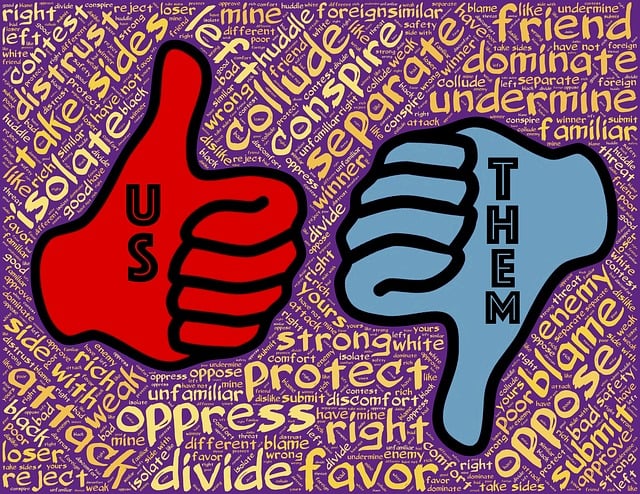
Who is the real ennemy? The Media or Ourselves: What Therapy approaches is effective for media-induced panic. Deciphering the mental health code.
In today’s hyperconnected world, the media has become a powerful force—shaping narratives, molding opinions, and influencing emotions. News cycles, social media platforms, and online commentary often bombard us with sensationalized stories, crises, and fear-driven headlines. But the pressing question is: Who is the real enemy here—the media, or our own unguarded minds?
The answer is complex. While the media plays a role in amplifying fear, panic often takes root within us—through the way we process, internalize, and respond to this information. To understand how to protect our mental well-being in this environment, we must first understand the psychological dynamics at play.
1. How Media Fuels Panic
Media thrives on engagement. Headlines are designed to trigger emotional responses—fear, anger, shock, and urgency—because these feelings keep us scrolling and clicking. Constant exposure to alarming content activates the brain’s amygdala, the center responsible for threat detection. This can lead to:
- Heightened anxiety and hyper-vigilance
- Emotional exhaustion from constant crisis alerts
- Difficulty distinguishing fact from sensationalism
- A sense of helplessness or impending doom
This state of perceived danger is powerful. Even when the threat is not directly affecting us, our nervous system reacts as if it were—leading to a cycle of panic and overconsumption.
2. Our Role in the Cycle: The Inner Enemy
While media triggers the response, we often unconsciously feed the cycle. Doomscrolling, compulsive checking of news updates, and participating in emotionally charged online debates keep us trapped in a loop of fear. Our cognitive biases—especially negativity bias—make us more likely to focus on alarming information than on neutral or positive content.
This internalization turns external noise into internal chaos. We begin to lose control of our thought processes, allowing fear narratives to shape our worldview. In essence, the real enemy is not only the external message but also how we interpret, amplify, and react to it.
3. Therapeutic Approaches to Media-Induced Panic
Fortunately, several therapeutic approaches can help break this cycle and restore emotional balance:
a. Cognitive Behavioral Therapy (CBT)
CBT helps individuals identify distorted thinking patterns triggered by media exposure. By challenging catastrophic thoughts and reframing narratives, people learn to differentiate between actual threats and exaggerated perceptions.
b. Mindfulness-Based Stress Reduction (MBSR)
Mindfulness practices bring awareness to the present moment, reducing emotional reactivity to sensationalized news. This approach helps individuals observe information without being consumed by it.
c. Psychoeducation and Media Literacy
Therapists often incorporate psychoeducation to teach clients how media operates, why sensationalism sells, and how algorithms influence what we see. Understanding these mechanisms helps individuals detach emotionally from manipulative content.
d. Digital Detox and Exposure Control
Just as exposure therapy can help reduce phobias, intentional media breaks and boundaries help retrain the brain to not rely on constant news input for safety. Scheduling “media-free” times can significantly lower anxiety levels.
e. Somatic and Nervous System Regulation Techniques
Media panic is not just cognitive—it’s physiological. Techniques like deep breathing, grounding exercises, and movement help calm the body’s fight-or-flight response, allowing clearer thinking.
4. Deciphering the Mental Health Code
The key to managing media-induced panic isn’t about shutting out the world entirely—it’s about reclaiming agency. We cannot always control what the media shares, but we can control how we respond.
- We choose how much to consume.
- We decide which narratives to believe.
- We can build psychological tools to remain grounded.
The real enemy, then, isn’t purely the media—it’s unexamined reactivity. By understanding our mental and emotional mechanisms, we break free from panic-driven loops.
Reclaiming your inner peace by understanding what is at play here.
The world is often loud, and fear is a powerful tool used to capture attention. But your peace of mind is not something to be bought or sold. By strengthening mental health strategies, developing media literacy, and seeking therapeutic support, we can build resilience that stands firm against external chaos. It’s essential to question information thoughtfully and distinguish fact from sensationalism. History has shown that during times of crisis, narratives can become polarized, and misinformation can spread quickly. Rather than accepting everything at face value, critical thinking, credible research, and calm reflection allow us to make informed decisions. Maintaining clarity of thought is one of the strongest defenses against fear-driven narratives.
The true power lies not in what is broadcasted—but in how we choose to interpret and respond.
Learn More