
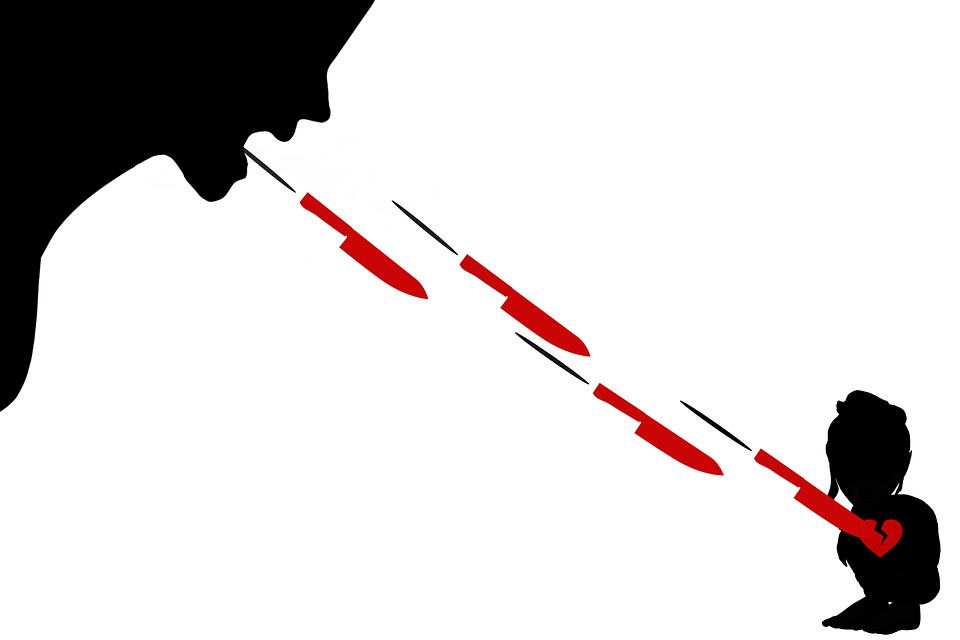
Small painful remarks or actions in romantic partnership can add up to severe mental health issues: How to heal micro-hurts that add up in long-term relationships and avoid resentment or revenge.
Small, painful remarks or subtle actions in a romantic partnership rarely feel catastrophic in the moment. A dismissive comment, a sarcastic jab, a forgotten promise, an eye-roll during a vulnerable conversation — they are often brushed aside as “not a big deal.” Yet over time, these tiny emotional bruises accumulate. Psychologists sometimes refer to them as micro-hurts: interactions that are too small to trigger confrontation on their own but frequent enough to erode trust, intimacy, and emotional safety. When left unaddressed, these experiences can grow into anxiety, depression, resentment, avoidance, emotional withdrawal, or even retaliatory behavior. Understanding how micro-hurts form, why they wound so deeply, and how to repair them is essential for preserving connection in long-term relationships.
Micro-hurts matter because the brain does not separate emotional injury from physical threat as neatly as we imagine. Each hurtful interaction activates the same stress response that signals danger. When a partner repeatedly feels dismissed, corrected, mocked, or minimized, the nervous system gradually shifts into self-protection mode. Instead of openness, curiosity, and affection, the relationship becomes filtered through vigilance and defensiveness. What begins as a minor sting turns into a pattern: one partner withdraws to avoid further pain, while the other interprets the distance as disinterest or hostility. Over months or years, these cycles shape emotional memory, and the relationship becomes defined not by connection, but by unresolved ruptures that never received healing attention.
The most damaging part of micro-hurts is their ambiguity. Because they are subtle, partners often struggle to justify their pain, telling themselves they are oversensitive or should “let it go.” The one who caused the hurt may say they were only joking or accuse the other of overreacting. As a result, the injury remains unspoken, where it transforms into silent resentment. The partner who feels invalidated may begin to rehearse arguments in their mind, pull away emotionally, or engage in covert forms of protest such as passive-aggressive remarks, withholding intimacy, or fantasizing about rejection as a way to regain control. What appears on the surface as coldness or irritability is often grief that has never been acknowledged.
Healing micro-hurts begins with naming them. Emotional wounds lose power when they are brought into compassionate dialogue instead of buried in silence. Partners must learn to describe their inner experience rather than accuse or blame. Instead of saying, “You always make me feel small,” a healing-oriented conversation sounds like, “When you joked about my idea in front of others, I felt embarrassed and unseen. I wanted support in that moment.” This type of language restores focus to emotions and needs rather than character judgments. It also gives the other partner a clear doorway to empathy rather than defensiveness.
Equally important is the ability to listen without minimizing. Repair cannot happen if the response to pain is explanation, self-justification, or mockery. Listening to micro-hurts requires slowing down and resisting the reflex to defend one’s intentions. The question is not whether the behavior was meant to hurt, but whether it did. When a partner can respond with curiosity — “I didn’t realize that affected you like that, tell me more” — the nervous system shifts from threat to safety. Apologies in this context are not about guilt; they are about reattunement. A sincere acknowledgment of impact reestablishes trust and communicates, “Your inner world matters to me.”
Partners must also learn to recognize the patterns that create repeated micro-hurts. Many arise from stress, fatigue, unresolved trauma, or communication habits learned in childhood. Some people default to sarcasm or criticism as a shield against vulnerability. Others shut down or withdraw when overwhelmed, inadvertently signaling indifference. Long-term couples benefit from exploring these underlying drivers rather than treating each incident as isolated. When both partners understand the emotional history behind their reactions, compassion replaces blame, and new behaviors become possible.
Healing is not complete without establishing ongoing systems of care within the relationship. Small gestures of repair — checking in after conflict, validating feelings, expressing appreciation, or offering physical comfort — act as emotional counterweights to the micro-hurts that once accumulated unchecked. These acts of reassurance remind both partners that they are on the same team. Intimacy deepens when partners actively choose connection in the moments when distance would be easier.
Avoiding resentment and revenge in long-term relationships requires rejecting the fantasy that time alone heals emotional wounds. Silence does not dissolve pain; it calcifies it. When micro-hurts are ignored, they transform into narratives about who the partner is: selfish, uncaring, controlling, dismissive. Once these stories take hold, every new interaction is filtered through suspicion. However, when partners intentionally repair small ruptures as they occur, they prevent those narratives from forming and protect the relationship from bitterness.
Self-reflection plays a powerful role as well. Each partner benefits from asking difficult but necessary questions: Do I use humor to dismiss discomfort? Do I interrupt or correct to maintain control? Do I withdraw when confronted instead of staying emotionally engaged? Recognizing one’s own contribution to micro-hurts is not an admission of blame but an act of emotional maturity. Long-term relationships thrive when both partners accept responsibility for their impact and actively participate in creating a more secure emotional environment.
In circumstances where micro-hurts have already accumulated to the point of deep mistrust or emotional exhaustion, outside support may be necessary. Couples therapy or individual counseling can provide a structured space to process resentment, explore attachment dynamics, and relearn methods of communication that foster safety rather than injury. Professional guidance can help partners disentangle longstanding hurt from current behavior, rebuild emotional attunement, and develop resilience against future rupture.
Ultimately, the health of a relationship is shaped less by the absence of conflict and more by the presence of repair. No partnership is free of small disappointments or misunderstandings. What determines whether they become sources of growth or seeds of resentment is how quickly and compassionately they are addressed. Healing micro-hurts requires courage — the courage to speak honestly about pain, to listen with humility, to apologize sincerely, and to choose tenderness even when feeling vulnerable. When partners commit to this process, they transform moments of disconnection into opportunities for greater intimacy, ensuring that love grows not despite imperfection, but through the mindful healing of it.

dr.dan
Related Posts

The truth about dating in the 21st century: How social media impacts modern relationships: Mystery solved:
Dating in the 21st century has undergone one of the most radical...

Magic of pre-relationship therapy: If you are single and have made numerous dating mistakes in the past, relationship therapy may be the solution. The brutal truth of dating in the 21st century. Reality exposed!
With modern dating often filled with challenges like ghosting and breadcrumbing,...

Strategies in keeping a strong bond during marital conflict: Avoiding discussing about important issues can be detrimental to your relationship long term.
Conflicts in marriage are inevitable. If you never argue, it may indicate...

How long does it take to figure out I am dating a gold digger? I want to avoid being taken advantage of want to be more cautious.
First, for some who do not know what the definition of “Gold Diggers” is, let’s...