
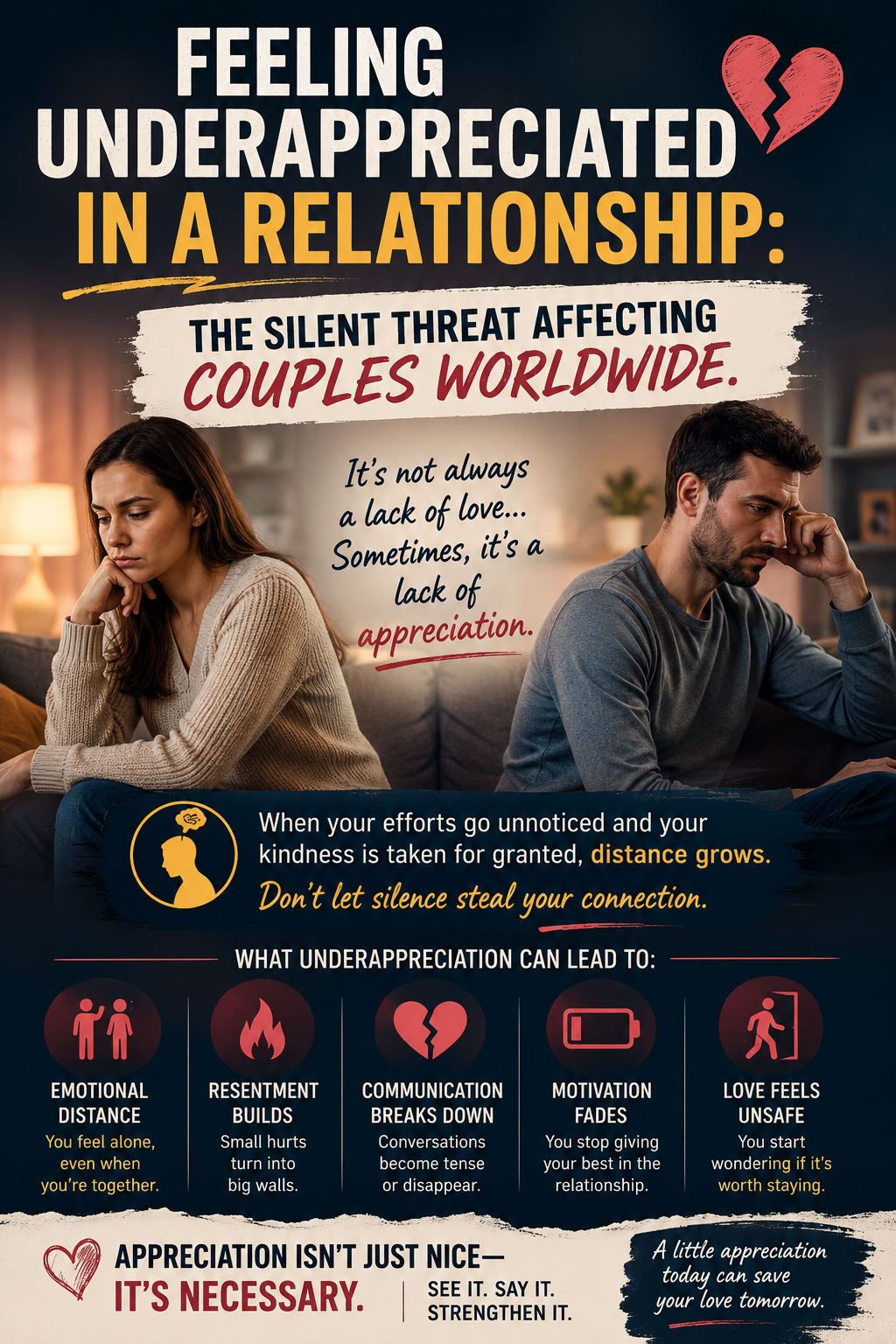
Feeling underappreciated in a relationship: The silent threat affecting couples worldwide. Discover effective strategies to strengthen appreciation, deepen connection, and avoid becoming part of this growing statistic.
When people think about the reasons relationships fail, they often imagine dramatic events such as infidelity, financial hardship, constant conflict, or irreconcilable differences. While these issues certainly play a role in many breakups, one of the most damaging relationship threats is often far less visible. It develops quietly over time, frequently unnoticed until emotional distance has already taken hold. That threat is the feeling of being underappreciated.
At the beginning of a relationship, appreciation tends to come naturally. Partners notice and acknowledge even the smallest gestures. A thoughtful text message, a compliment, a surprise gift, or a simple act of kindness can create feelings of gratitude and connection. During this stage, both individuals often feel seen, valued, and important. However, as relationships mature and life becomes increasingly demanding, many couples unintentionally shift their focus away from appreciation and toward responsibility, routine, and obligation.
What was once viewed as a loving gesture gradually becomes expected. The partner who consistently prepares meals, manages household responsibilities, works long hours, provides emotional support, or makes sacrifices for the family may stop receiving acknowledgment for these contributions. Instead of being appreciated, their efforts become part of the background noise of daily life. Over time, this lack of recognition can create feelings of frustration, disappointment, and emotional exhaustion.
The painful reality is that many people do not leave relationships because they have stopped loving their partner. They leave because they no longer feel valued by the person they love. Feeling invisible within a relationship can be one of the loneliest experiences a person can endure. It creates a sense of emotional isolation that often leads individuals to question their worth, their efforts, and sometimes even the future of the relationship itself.
Underappreciation rarely appears overnight. It develops gradually through countless small moments. A thank you that goes unspoken. An effort that goes unnoticed. A sacrifice that is taken for granted. Although each individual incident may seem insignificant, their cumulative effect can be profound. Emotional wounds often result not from a single major event but from a series of small disappointments that accumulate over months or years.
One of the most effective ways to prevent this pattern is through the intentional practice of gratitude. Appreciation is not something that should be assumed; it must be expressed. Many people mistakenly believe that their partner already knows how much they are valued. While this may be partially true, hearing words of appreciation has a powerful psychological impact. A sincere acknowledgment of effort, support, or commitment can strengthen emotional bonds and reinforce feelings of connection. Simple statements such as “I appreciate everything you do” or “Thank you for always being there for me” can have a greater impact than many realize.
Another important strategy involves shifting attention from shortcomings to strengths. Human beings possess a natural tendency to notice problems more readily than positive experiences. In relationships, this often means that mistakes receive more attention than successes. Over time, couples may become experts at identifying what is wrong while overlooking what is right. Healthy relationships thrive when partners actively seek opportunities to recognize each other’s positive qualities, efforts, and contributions.
Communication also plays a critical role in fostering appreciation. Many couples engage in conversations focused primarily on logistics, responsibilities, finances, schedules, and problem-solving. While these discussions are necessary, they should not replace meaningful emotional communication. Taking time to listen attentively, express genuine curiosity, and validate each other’s experiences helps create an environment where both partners feel respected and understood. Feeling heard is one of the most powerful forms of appreciation a person can receive.
Equally important is understanding that people experience appreciation in different ways. Some individuals feel most valued through verbal affirmation, while others experience appreciation through quality time, physical affection, thoughtful gestures, or acts of service. Relationship difficulties often arise when one partner expresses appreciation in a way that feels meaningful to them but not necessarily to the other person. Learning how a partner receives and interprets appreciation can dramatically strengthen emotional intimacy and reduce misunderstandings.
Another common challenge occurs when couples begin keeping score. Relationships can become strained when individuals constantly compare who is giving more, sacrificing more, or contributing more. This transactional mindset often fuels resentment and competition rather than cooperation and connection. Healthy relationships flourish when both partners focus less on measuring contributions and more on supporting one another as members of the same team. Mutual generosity creates a stronger foundation than constant accounting.
Regular relationship check-ins can also help prevent feelings of underappreciation from escalating. Life moves quickly, and many couples become so busy managing responsibilities that they neglect the health of the relationship itself. Setting aside dedicated time to discuss emotional needs, concerns, and positive experiences creates opportunities to address issues before they become deeply rooted. These conversations allow partners to express what makes them feel loved, valued, and appreciated while strengthening trust and understanding.
It is equally important to celebrate progress rather than waiting for major milestones. Many people reserve recognition for significant achievements while overlooking the small victories that occur every day. Acknowledging effort, resilience, growth, and persistence can create a culture of appreciation within the relationship. Whether it is overcoming a challenge, reaching a personal goal, or simply navigating a difficult week together, celebrating these moments reinforces partnership and emotional connection.
The most successful relationships are not those that avoid problems altogether. Rather, they are relationships in which both individuals consistently feel seen, valued, respected, and appreciated. Appreciation acts as an emotional buffer during difficult times, helping couples navigate stress, disagreements, and life’s inevitable challenges. When people feel valued, they become more patient, more forgiving, and more willing to invest in the relationship.
Ultimately, appreciation is one of the simplest yet most powerful tools available to couples. It costs nothing, requires little time, and has the potential to transform the emotional climate of a relationship. In a world where many individuals feel disconnected despite being surrounded by others, taking the time to genuinely acknowledge a partner’s efforts can make all the difference.
The silent threat of underappreciation continues to affect couples across the globe, but it is far from inevitable. By practicing gratitude, communicating openly, recognizing effort, and intentionally making appreciation a daily habit, couples can deepen their connection, strengthen their bond, and avoid becoming part of a growing statistic. In the end, people flourish where they feel valued, and relationships thrive when appreciation is not assumed but consistently expressed.
Learn More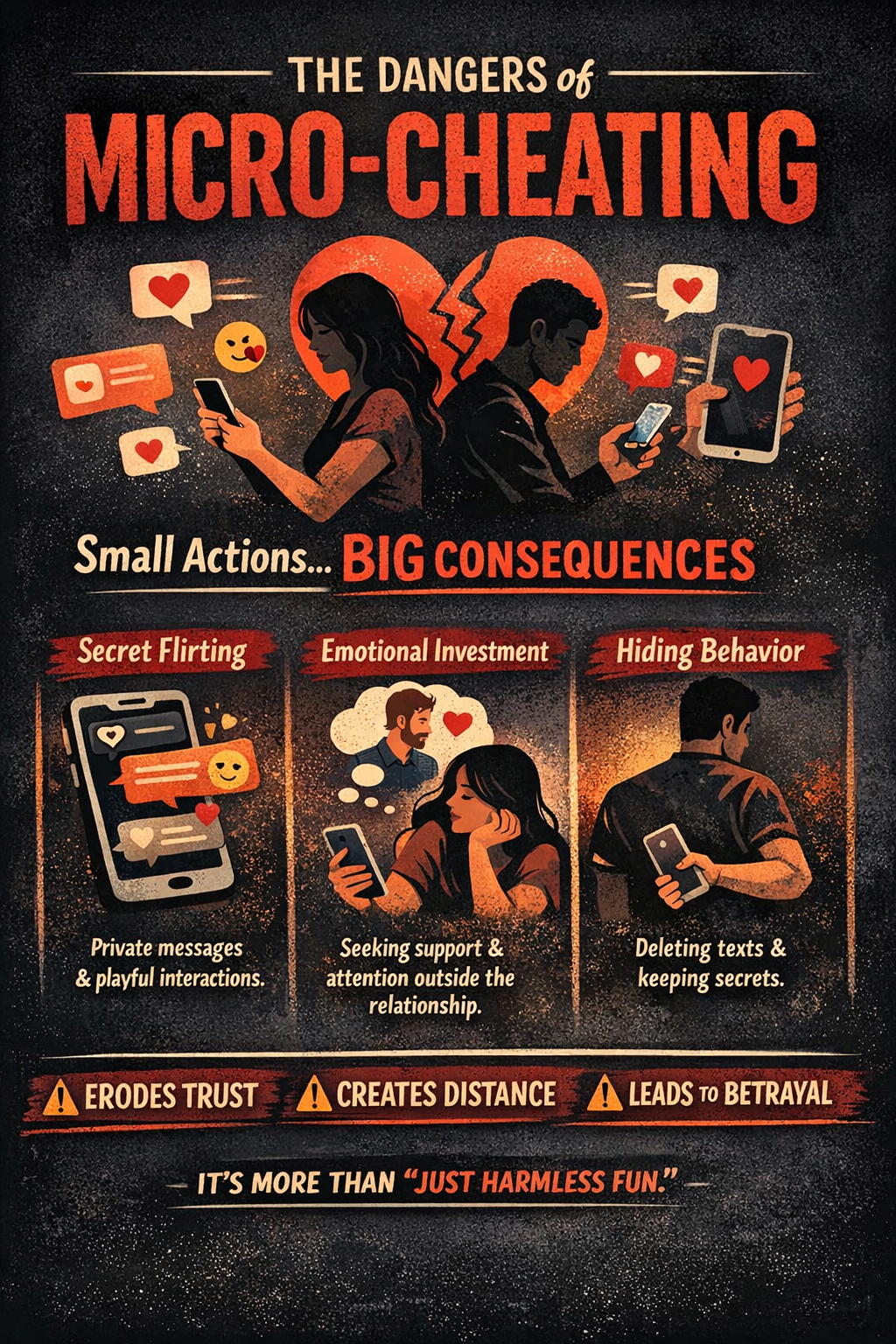
Small acts of cheating: The rise of “micro-cheating” and its impact on trust in relationship. What really constitute cheating and understand the nuances between all that is involved and at what level does micro-cheating actually happens ?
In an era where communication is instant and constant, relationships are being tested in ways that didn’t exist a generation ago. With smartphones, social media, and endless opportunities for connection, the definition of cheating has become less clear-cut. No longer confined to physical intimacy, betrayal can now occur in subtle, almost invisible ways. This is where the concept of “micro-cheating” has emerged—small, often ambiguous behaviors that may not seem significant on the surface, yet can have a profound impact on trust and emotional security within a relationship.
Micro-cheating is not about a single, obvious act of infidelity. It’s about patterns of behavior that suggest attention, energy, or emotional investment is being directed outside the relationship in ways that feel inappropriate or secretive. These behaviors can include consistently engaging with a specific person online in a flirtatious manner, maintaining private conversations that are intentionally hidden, seeking validation or emotional support from someone else instead of a partner, or presenting oneself differently to attract outside attention. On their own, these actions may appear harmless or even dismissible. But over time, they can create a subtle shift in loyalty and connection.
What makes micro-cheating particularly complex is its ambiguity. Unlike traditional cheating, which is widely recognized and often universally condemned, micro-cheating lives in a gray area. One partner may view certain behaviors as innocent or insignificant, while the other may experience them as a breach of trust. This disconnect can lead to confusion, defensiveness, and emotional distance. The issue is not always the behavior itself, but the lack of shared understanding around what is acceptable within the relationship.
At the core of this issue lies a fundamental question: what truly constitutes cheating? The answer is not universal. For some, cheating begins the moment physical boundaries are crossed. For others, emotional intimacy with someone outside the relationship can feel equally, if not more, damaging. In many cases, the defining factor is not the specific act, but the presence of secrecy. When someone feels the need to hide interactions, delete messages, or downplay connections, it often signals that a boundary—spoken or unspoken—has already been crossed.
Intent also plays a crucial role in understanding micro-cheating. There is a significant difference between casual, transparent interaction and behavior driven by a desire for validation, attention, or emotional escape. When someone begins to seek fulfillment outside of their relationship—whether through flirtation, emotional connection, or external approval—it can indicate that something within the relationship is either lacking or being avoided. This doesn’t always mean the relationship is failing, but it does highlight areas that require attention and honest conversation.
The impact of micro-cheating on trust is often gradual rather than immediate. Unlike a single act of betrayal that creates a clear rupture, micro-cheating erodes trust over time. It introduces doubt, fuels insecurity, and creates a sense of emotional distance. A partner may begin to question not only specific behaviors, but the overall integrity of the relationship. Even if no physical boundaries are crossed, the emotional consequences can be significant. Trust, once shaken, becomes harder to rebuild when the lines of betrayal are unclear or continuously shifting.
Another layer to consider is the role of modern technology. Social media platforms encourage constant interaction, comparison, and validation. The line between public and private life has blurred, making it easier for individuals to engage in behaviors that may feel harmless but carry deeper implications. A message that might have once been a passing conversation can now turn into an ongoing connection. A simple “like” can evolve into consistent attention. Over time, these small interactions can form patterns that resemble emotional investment.
However, it is important to recognize that not all external interactions are inherently harmful. Healthy relationships allow for individuality, friendships, and social engagement outside the partnership. The difference lies in transparency, intention, and boundaries. When interactions are open, respectful, and do not detract from the primary relationship, they are less likely to cause harm. It is when these interactions become secretive, prioritized, or emotionally charged that they begin to cross into problematic territory.
Understanding the nuances of micro-cheating requires couples to move away from assumptions and toward clear communication. Many conflicts arise not because of intentional betrayal, but because expectations were never clearly defined. What one person considers harmless, another may find deeply hurtful. Without open dialogue, both partners operate within their own definitions, increasing the likelihood of misunderstanding and emotional disconnect.
Cheating, in its truest sense, begins when trust is compromised. This can happen through physical actions, but it can also occur through emotional withdrawal, secrecy, or the gradual redirection of attention and energy away from the relationship. It is not always a dramatic event, but often a series of small choices that collectively weaken the foundation of connection.
The rise of micro-cheating reflects a broader shift in how relationships function in the modern world. It challenges individuals to be more intentional, more self-aware, and more communicative about their needs and boundaries. It also invites a deeper reflection on what loyalty and commitment truly mean—not just in action, but in attention, intention, and emotional presence.
Ultimately, the health of a relationship is not determined by the absence of temptation or external interaction, but by the presence of trust, respect, and clarity. Micro-cheating serves as a reminder that it is often the smallest actions, repeated over time, that have the greatest impact. Whether those actions build trust or slowly erode it depends on the awareness and choices of both individuals involved.
In a world where connection is constant, protecting the integrity of a relationship requires more than avoiding obvious betrayal. It requires mindfulness in the subtle moments—the conversations, the intentions, and the decisions that shape where your energy truly goes.
Learn More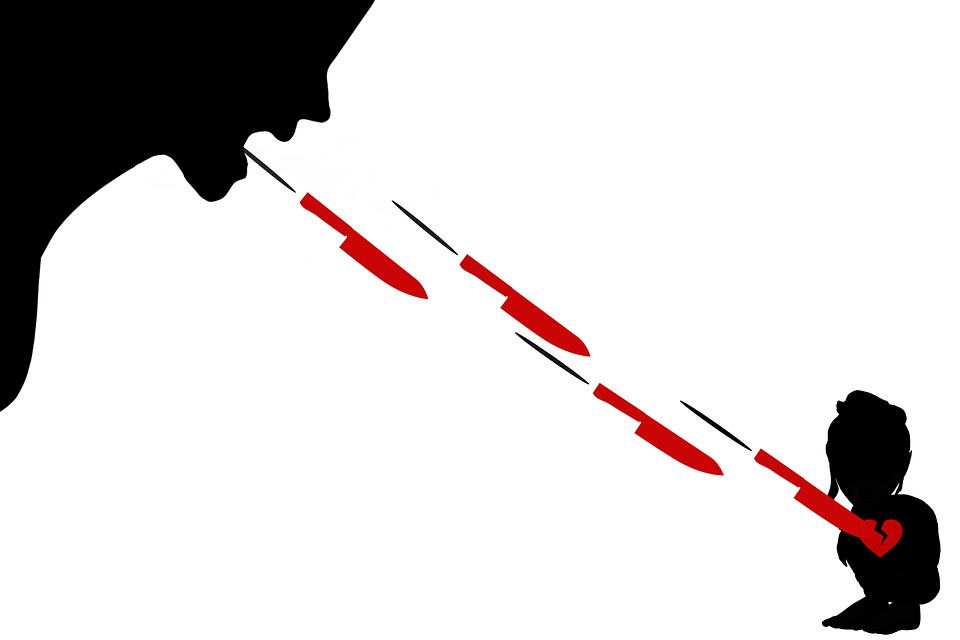
Small painful remarks or actions in romantic partnership can add up to severe mental health issues: How to heal micro-hurts that add up in long-term relationships and avoid resentment or revenge.
Small, painful remarks or subtle actions in a romantic partnership rarely feel catastrophic in the moment. A dismissive comment, a sarcastic jab, a forgotten promise, an eye-roll during a vulnerable conversation — they are often brushed aside as “not a big deal.” Yet over time, these tiny emotional bruises accumulate. Psychologists sometimes refer to them as micro-hurts: interactions that are too small to trigger confrontation on their own but frequent enough to erode trust, intimacy, and emotional safety. When left unaddressed, these experiences can grow into anxiety, depression, resentment, avoidance, emotional withdrawal, or even retaliatory behavior. Understanding how micro-hurts form, why they wound so deeply, and how to repair them is essential for preserving connection in long-term relationships.
Micro-hurts matter because the brain does not separate emotional injury from physical threat as neatly as we imagine. Each hurtful interaction activates the same stress response that signals danger. When a partner repeatedly feels dismissed, corrected, mocked, or minimized, the nervous system gradually shifts into self-protection mode. Instead of openness, curiosity, and affection, the relationship becomes filtered through vigilance and defensiveness. What begins as a minor sting turns into a pattern: one partner withdraws to avoid further pain, while the other interprets the distance as disinterest or hostility. Over months or years, these cycles shape emotional memory, and the relationship becomes defined not by connection, but by unresolved ruptures that never received healing attention.
The most damaging part of micro-hurts is their ambiguity. Because they are subtle, partners often struggle to justify their pain, telling themselves they are oversensitive or should “let it go.” The one who caused the hurt may say they were only joking or accuse the other of overreacting. As a result, the injury remains unspoken, where it transforms into silent resentment. The partner who feels invalidated may begin to rehearse arguments in their mind, pull away emotionally, or engage in covert forms of protest such as passive-aggressive remarks, withholding intimacy, or fantasizing about rejection as a way to regain control. What appears on the surface as coldness or irritability is often grief that has never been acknowledged.
Healing micro-hurts begins with naming them. Emotional wounds lose power when they are brought into compassionate dialogue instead of buried in silence. Partners must learn to describe their inner experience rather than accuse or blame. Instead of saying, “You always make me feel small,” a healing-oriented conversation sounds like, “When you joked about my idea in front of others, I felt embarrassed and unseen. I wanted support in that moment.” This type of language restores focus to emotions and needs rather than character judgments. It also gives the other partner a clear doorway to empathy rather than defensiveness.
Equally important is the ability to listen without minimizing. Repair cannot happen if the response to pain is explanation, self-justification, or mockery. Listening to micro-hurts requires slowing down and resisting the reflex to defend one’s intentions. The question is not whether the behavior was meant to hurt, but whether it did. When a partner can respond with curiosity — “I didn’t realize that affected you like that, tell me more” — the nervous system shifts from threat to safety. Apologies in this context are not about guilt; they are about reattunement. A sincere acknowledgment of impact reestablishes trust and communicates, “Your inner world matters to me.”
Partners must also learn to recognize the patterns that create repeated micro-hurts. Many arise from stress, fatigue, unresolved trauma, or communication habits learned in childhood. Some people default to sarcasm or criticism as a shield against vulnerability. Others shut down or withdraw when overwhelmed, inadvertently signaling indifference. Long-term couples benefit from exploring these underlying drivers rather than treating each incident as isolated. When both partners understand the emotional history behind their reactions, compassion replaces blame, and new behaviors become possible.
Healing is not complete without establishing ongoing systems of care within the relationship. Small gestures of repair — checking in after conflict, validating feelings, expressing appreciation, or offering physical comfort — act as emotional counterweights to the micro-hurts that once accumulated unchecked. These acts of reassurance remind both partners that they are on the same team. Intimacy deepens when partners actively choose connection in the moments when distance would be easier.
Avoiding resentment and revenge in long-term relationships requires rejecting the fantasy that time alone heals emotional wounds. Silence does not dissolve pain; it calcifies it. When micro-hurts are ignored, they transform into narratives about who the partner is: selfish, uncaring, controlling, dismissive. Once these stories take hold, every new interaction is filtered through suspicion. However, when partners intentionally repair small ruptures as they occur, they prevent those narratives from forming and protect the relationship from bitterness.
Self-reflection plays a powerful role as well. Each partner benefits from asking difficult but necessary questions: Do I use humor to dismiss discomfort? Do I interrupt or correct to maintain control? Do I withdraw when confronted instead of staying emotionally engaged? Recognizing one’s own contribution to micro-hurts is not an admission of blame but an act of emotional maturity. Long-term relationships thrive when both partners accept responsibility for their impact and actively participate in creating a more secure emotional environment.
In circumstances where micro-hurts have already accumulated to the point of deep mistrust or emotional exhaustion, outside support may be necessary. Couples therapy or individual counseling can provide a structured space to process resentment, explore attachment dynamics, and relearn methods of communication that foster safety rather than injury. Professional guidance can help partners disentangle longstanding hurt from current behavior, rebuild emotional attunement, and develop resilience against future rupture.
Ultimately, the health of a relationship is shaped less by the absence of conflict and more by the presence of repair. No partnership is free of small disappointments or misunderstandings. What determines whether they become sources of growth or seeds of resentment is how quickly and compassionately they are addressed. Healing micro-hurts requires courage — the courage to speak honestly about pain, to listen with humility, to apologize sincerely, and to choose tenderness even when feeling vulnerable. When partners commit to this process, they transform moments of disconnection into opportunities for greater intimacy, ensuring that love grows not despite imperfection, but through the mindful healing of it.
Learn More