

The Power of resentment between couples
How Psychotherapy Can Heal the Past and Prevent Emotional War
Marriage is a union meant to be rooted in love, companionship, and mutual growth. However, beneath the surface of many relationships lies a silent destroyer—resentment. This slow-building emotion can transform love into anger, frustration, and even hatred if left unaddressed. The good news? Psychotherapy and conscious strategies can not only heal this pain but also fortify a marriage with newfound depth and understanding.
What is Resentment in Marriage?
Resentment is the cumulative emotional response to unresolved hurt, unmet expectations, or perceived injustices. In marriage, it often stems from:
- Feeling unheard or invalidated
- Carrying more responsibility than your partner
- Being criticized or compared
- Long-standing conflicts swept under the rug
- Betrayals or breaches of trust
At first, these slights might seem minor. But over time, they fester. And when resentment isn’t released, it evolves into passive aggression, withdrawal, emotional distance, or explosive arguments.
The Vortex of Emotional War
Left unchecked, resentment becomes a psychological battlefield:
- Anger is misdirected over trivial matters.
- Frustration turns everyday conversations into conflict.
- Hate begins to replace admiration, especially when negative cycles go unresolved.
This is the emotional vortex—a whirlpool where couples relive the same fights, trigger each other repeatedly, and become adversaries instead of allies.
But here’s the inspiring truth: You are not doomed to this fate. Healing is possible. It requires courage, honesty, and, often, the guiding hand of psychotherapy.
How Psychotherapy Helps Release the Past
Psychotherapy provides a safe space, a neutral ground where couples can untangle the knots of their shared history. Here’s how it works:
1. Identifying Core Wounds
A therapist helps each partner identify where their resentment truly comes from—whether it’s from past relationships, childhood, or unresolved trauma. Understanding the roots of emotional pain is the first step to healing.
2. Relearning Communication
Psychotherapy teaches assertive communication over blaming language. Instead of “You never listen to me,” you learn to say, “I feel unheard when I share something important.”
This shift opens doors rather than slamming them shut.
3. Emotional Release Techniques
Therapists often use techniques like Emotion-Focused Therapy (EFT), Inner Child Work, or Cognitive Behavioral Therapy (CBT) to help clients release bottled-up feelings and reinterpret past events.
Releasing doesn’t mean forgetting—it means freeing yourself from the pain’s control.
4. Forgiveness and Compassion
Couples learn how to forgive without condoning harm and how to view each other as imperfect humans trying their best. Compassion transforms enemies into teammates.
Strategies to Prevent Falling Into the Resentment Trap
While therapy is healing, prevention is even more powerful. Here are strategic tools every couple can implement:
🛑 1. Check In Regularly
Have weekly or bi-weekly emotional check-ins. Ask:
- “Is there anything bothering you that we haven’t talked about?”
- “Do you feel appreciated by me?”
🛠️ 2. Repair Ruptures Immediately
Conflict is inevitable, but repair must be intentional. After a disagreement, come back together. Say:
- “I didn’t mean to hurt you. Can we talk about how that felt?”
Don’t let wounds scab over with silence.
💬 3. Speak, Don’t Store
Bottling emotions breeds bitterness. Speak up when things feel off. Use “I” statements and calm tones.
💞 4. Practice Daily Gratitude
Make it a habit to share one thing you appreciate about your partner daily. This keeps admiration alive and wards off negativity bias.
🎯 5. Set Shared Goals
Couples who grow together stay together. Whether it’s planning a trip, building a business, or supporting each other’s dreams—shared purpose unites.
Your Relationship Is Worth Fighting For
Resentment may feel like a tidal wave, but love is a stronger force. With willingness, tools, and guidance, you can turn emotional battlegrounds into sacred grounds of healing.
Remember: You are not trapped by your past unless you choose to be. Let therapy illuminate the way forward and rediscover the love that brought you together in the first place.
🔥 Final take about resentment feeling towards your significant other
If you’re reading this, you’re already taking a powerful step. Healing begins with awareness. And growth? That comes with action. Don’t wait for the pain to push you—let your love pull you forward.
💡 Marriage isn’t about never falling—it’s about rising stronger together, again and again.
Learn More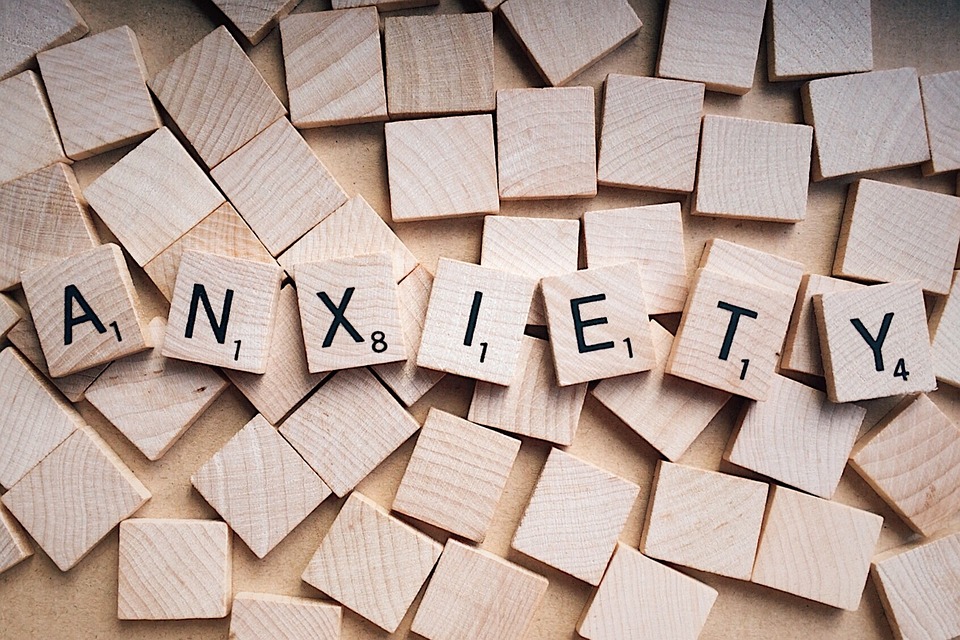
The Many Facets of Anxiety: How It Manifests as Irritability or Anger and Managing Them for a Happier, Serene Life
Anxiety is a complex and often misunderstood emotion. While most people associate it with worry, panic attacks, or restlessness, anxiety can also wear the mask of irritability or even anger. This disguised form can wreak havoc on our relationships, peace of mind, and overall well-being if not properly understood and managed.
Let’s dive into how anxiety shows up in unexpected ways, why it morphs into irritability or anger, and how we can address it for a more balanced, joyful life.
Understanding the Nature of Anxiety
Anxiety is the body’s response to perceived danger or stress. It triggers the “fight, flight, or freeze” response and prepares us to react. While this mechanism is essential for survival, it becomes problematic when overactivated by everyday stressors—deadlines, relationships, finances, health concerns.
When anxiety becomes chronic, it stops being helpful and starts manifesting in less obvious, but equally destructive ways.
Why Anxiety Turns into Irritability or Anger
Though they seem like separate emotions, anxiety and anger are closely linked:
- Overstimulation: When your brain is in constant overdrive from worry or hypervigilance, you’re more likely to become frustrated or overwhelmed quickly.
- Perceived Threats: Anxiety can cause you to interpret neutral events as threats. This leads to a defensive, sometimes aggressive reaction.
- Lack of Control: Feeling out of control is deeply unsettling. That discomfort can easily morph into anger, especially when we feel helpless.
- Bottled-up Emotions: When anxiety is suppressed, it can come out sideways—as sarcasm, short-temperedness, or even rage.
In truth, many people who seem “angry” are often silently struggling with underlying anxiety.
How to Recognize the Signs
You might be experiencing anxiety-related irritability or anger if you:
- Feel unusually impatient or snap at others over minor issues
- Notice a short fuse in stressful situations
- Experience muscle tension, headaches, or clenched jaws
- Constantly feel “on edge” or overly alert
- Regret reactions that felt disproportionate afterward
Acknowledging these patterns is the first step toward regaining inner calm.
Strategies for Managing Anxiety-Driven Irritability and Anger
- Pause and Breathe
Deep breathing activates the parasympathetic nervous system, calming your fight-or-flight response. Practice box breathing: inhale for 4 seconds, hold for 4, exhale for 4, and hold for 4 again.
- Identify Triggers
Journaling or reflecting on moments when you felt irritable can help pinpoint recurring triggers. Is it work-related? A particular person? Lack of sleep?
- Reframe Your Thoughts
Anxiety often stems from distorted thinking. Catch yourself in moments of catastrophizing or assuming the worst. Replace fear-driven thoughts with balanced, empowering ones.
- Use Physical Activity as an Outlet
Movement releases pent-up energy and boosts feel-good endorphins. Even a brisk walk can dissipate rising frustration.
- Practice Mindfulness and Meditation
These tools train your mind to stay present, reducing rumination and reactivity. Over time, they build emotional resilience.
- Communicate Openly
Let others know what you’re experiencing. Saying, “I’m feeling overwhelmed, I need a moment,” is far healthier than letting tension explode later.
- Seek Professional Support
Therapy—especially cognitive behavioral therapy (CBT)—can be transformative in understanding and reshaping anxiety’s impact on your emotional responses.
Living a More Serene Life
Healing from anxiety-induced irritability is not about becoming emotionless; it’s about gaining mastery over your responses. When you understand the roots of your reactions, you stop being ruled by them. You move from reactive to responsive, from chaotic to centered.
Imagine waking up not bracing for the day, but embracing it. Imagine conversations filled with patience instead of tension. That serenity isn’t just a dream—it’s a skill. And like all skills, it grows with intention and practice.
Mother nature of anxiety: From Storm to Stillness
Anxiety is not your enemy. It’s a messenger—alerting you to unresolved fears, unmet needs, or unsustainable stress levels. When we listen with compassion, not judgment, we can transform our anxiety from a source of pain into a catalyst for growth.
Let every day be a chance to pause, breathe, and choose peace over panic, understanding over outbursts, and joy over fear.
Because within every anxious heartbeat lies the quiet potential for a calm, powerful, and radiant life.
Concluding words of wisdom: “You’re not broken—you’re becoming. And every moment of awareness is a step closer to the peace you deserve.”

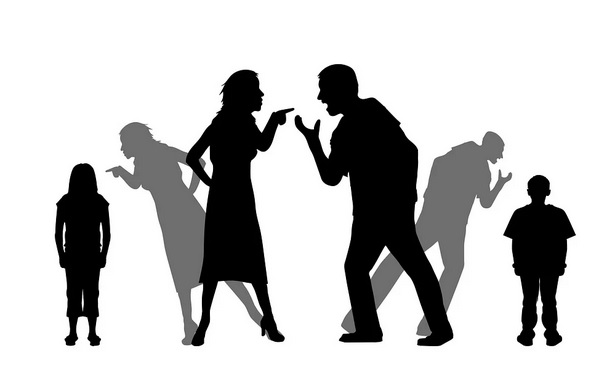
Election month is coming soon; tension within family may rise as to voting for the new leader. How to cope with family tensions during an election year and avoid conflict between parents and adult children?

Election time can be devastating for families voting for different leaders because it often brings underlying value differences to the forefront. These opposing views can lead to heated debates and strained relationships, as politics can be deeply personal and tied to individual identity. The polarized nature of political discourse can amplify these tensions, making it hard for family members to find common ground. Additionally, the emotional investment in particular candidates or policies can make disagreements feel like personal attacks, causing hurt and misunderstanding. The constant media coverage and social media discussions further intensify the divide, making it challenging to maintain harmony and respect within the family. Here are some strategies to help cope with family tensions during an election year and avoid conflicts within family members:
1. Acknowledge Differences Respectfully
Understanding that political beliefs often stem from personal experiences and values is crucial. Recognize that differences in opinion do not necessarily reflect personal shortcomings. Approach conversations with empathy, striving to understand where others are coming from, even if you disagree.
2. Set Boundaries for Discussions
It can be helpful to establish clear boundaries around political discussions. Agree on times and places for these conversations, ensuring they’re appropriate and won’t disrupt family harmony. For instance, avoid discussing politics during family meals or holidays, where the focus should be on togetherness and enjoyment.
3. Focus on Common Values
Instead of highlighting differences, try to identify and focus on shared values and goals. Common ground can often be found in broader aspirations, such as the well-being of the community or the importance of education. Emphasizing these shared values can help bridge the gap between differing political perspectives.
4. Practice Active Listening
Active listening involves giving full attention to the speaker, acknowledging their points, and responding thoughtfully. This practice shows respect and can de-escalate tensions. It’s essential to listen without planning your rebuttal and to consider the other person’s perspective genuinely.
5. Agree to Disagree
Sometimes, agreeing to disagree is the best way to maintain peace. Acknowledging that it’s okay to have differing opinions can prevent arguments from escalating. This approach respects each person’s right to their beliefs without trying to change them forcefully.
6. Limit Exposure to Heated Debates
Reducing exposure to media that inflames emotions can also be beneficial. Encourage family members to seek out balanced news sources and limit time spent on social media platforms that may amplify divisive content. Taking breaks from the news can help everyone maintain a more balanced and calm perspective.
7. Focus on Relationships Over Politics
Ultimately, relationships are more important than political opinions. Emphasize the value of family connections and the love and respect you have for one another. Remembering this can help keep political differences in perspective and prevent them from overshadowing the bonds you share.
8. Seek Professional Help if Needed
If political discussions are causing significant stress or straining relationships, it may be beneficial to seek guidance from a family therapist or counselor. A professional can provide strategies for communication and conflict resolution tailored to your family’s needs.
By prioritizing respect, understanding, and shared values, families can navigate the challenges of an election year without sacrificing their relationships. It’s possible to engage in meaningful discussions while maintaining harmony and respect within the family unit.

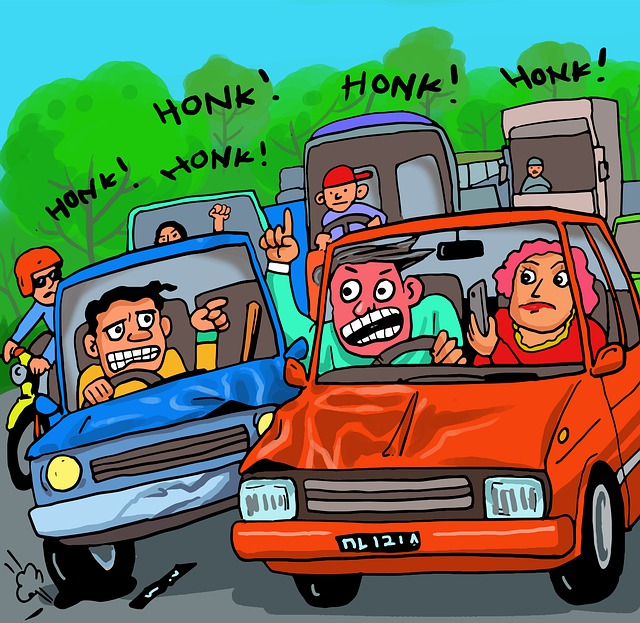
Understanding Road Rage: How To Manage Your Own Emotions on the Road and Deal With Others

Individuals experiencing road rage often encounter a range of challenges that stem from their heightened emotional responses while driving. These challenges can include a heightened risk of accidents, strained interpersonal relationships, and negative impacts on mental health. Road rage can also lead to legal consequences due to aggressive behavior on the road.
To manage anger associated with road rage, it is crucial to adopt effective strategies that promote a calmer and safer driving experience. Implementing stress-reducing techniques, such as deep breathing exercises, mindfulness, and visualization, can help individuals remain composed in challenging traffic situations. Seeking professional help, such as counseling or anger management classes, is another avenue for developing coping mechanisms. Additionally, creating a more comfortable driving environment by listening to soothing music, adjusting seating arrangements, and allowing extra time for travel can contribute to a more relaxed mindset on the road. Developing a habit of reframing negative thoughts and practicing empathy towards other drivers can also foster a more positive and tolerant attitude while driving.
For a deeper understanding of this frequently observed reaction among individuals grappling with significant anger management challenges while driving, it’s crucial to distribute this article to my dedicated followers. This will help shed light on the causes and effective strategies for handling outbursts during moments of heightened frustration. The comprehensive article is graciously written by my esteemed collaborators at the Sieben Polk Law Firm.
Explore the full content on Mental Health & Road Rage at: https://www.siebenpolklaw.com/road-rage/
