

Clinical Variability in Depressive Disorders: Why Individuals May Experience Different Symptom Patterns Across Time. Understanding them is key to mental health.
Depressive disorders are often misunderstood as a single, static emotional state, when in reality they are dynamic and deeply individualized conditions that can shift in form, intensity, and presentation over time. Clinicians and researchers increasingly recognize that depression does not always follow a predictable pattern. Instead, it may evolve as a result of biological changes, psychological adaptation, life circumstances, and underlying vulnerabilities. Understanding this clinical variability is essential not only for accurate diagnosis and treatment, but also for reducing stigma and improving patient self-awareness.
Depression is influenced by a complex interaction between genetics, neurobiology, personality traits, environmental stressors, and learned coping responses. At one point in a person’s life, depression may appear as profound sadness, loss of interest, and withdrawal from daily functioning. Years later, however, it may emerge as irritability, emotional numbness, or chronic fatigue rather than overt sadness. These shifts do not indicate inconsistency or exaggeration on the part of the individual; rather, they reflect how the brain and body respond to stress, trauma, hormonal changes, and evolving life demands.
Early depressive episodes are often triggered by identifiable stressors such as academic pressure, relationship changes, or grief. During this stage, symptoms may be more recognizable and easier for others to validate. Over time, however, repeated exposure to depression can alter both neural pathways and cognitive patterns. Some individuals develop patterns of emotional suppression or become highly functional while remaining internally distressed. As a result, later presentations of depression may appear more subtle, internalized, or masked by productivity, perfectionism, or chronic overwork. What was once clearly experienced as sadness may instead manifest as burnout, hopelessness, or an inability to feel pleasure.
Physiological changes across the lifespan also contribute to the shifting nature of depressive symptoms. Hormonal fluctuations, medical conditions, sleep disturbances, and aging-related brain changes can deepen or reshape how depression is expressed. For example, depression in adolescents may present as irritability or behavioral changes, while in older adults it may appear as memory difficulties, apathy, or somatic complaints such as chronic pain and fatigue. The same person may even experience depression differently across developmental stages, which can complicate diagnosis and lead to misinterpretation by family members, healthcare providers, or the individual themselves.
Another important factor in this variability is how people psychologically adapt to ongoing emotional distress. Over time, individuals often develop coping strategies that mask their symptoms, such as maintaining a busy schedule, intellectualizing emotions, or focusing intensely on caregiving or professional success. These adaptations may protect functioning in the short term but can also obscure the presence of depression, delaying help-seeking and treatment. A person may appear outwardly successful while internally experiencing significant distress, emotional emptiness, or loss of meaning, illustrating how depression can coexist with competence and achievement.
Trauma history and life experiences further shape the evolution of depressive symptoms. Unresolved trauma can shift depression toward dissociation, hypervigilance, or shame-based thinking patterns, while prolonged adversity may contribute to chronic dysthymia — a persistent, low-grade depressive state that becomes woven into one’s sense of identity. Periods of major life transition, such as career changes, parenting demands, retirement, or loss, may reactivate depressive symptoms or alter their form. The person may feel as though depression has resurfaced “in a new way,” when in reality it is responding to a new psychological context.
Recognizing the variability of depressive presentations is essential for effective clinical care. When symptoms evolve, some individuals mistakenly believe they are “no longer depressed” or that their struggles are simply personal weaknesses, character flaws, or signs of failure. Others may feel confused when therapy or medication that once worked becomes less effective over time. Understanding that depression is dynamic — and often requires periodic reassessment — encourages individuals to remain engaged in ongoing care rather than assuming that treatment has failed or that they must simply endure their symptoms.
From a therapeutic standpoint, acknowledging variability allows clinicians to tailor interventions to the current expression of the disorder. Treatment may shift between cognitive restructuring, trauma-focused approaches, behavioral activation, lifestyle intervention, or medication adjustments depending on how depression manifests at a given time. Long-term mental health outcomes improve when care is flexible rather than standardized, and when patients are encouraged to openly discuss changes in how their symptoms feel or function in their lives.
Ultimately, understanding the evolving nature of depressive disorders fosters compassion, insight, and empowerment. It reminds us that depression is not a weakness or a single emotional state, but a multifaceted condition shaped by biology, experience, and context. When individuals recognize that symptom patterns may change — and that these changes are valid and clinically meaningful — they are more likely to seek timely support, advocate for themselves in treatment settings, and develop a deeper awareness of their emotional landscape. This awareness is not only key to effective mental health care, but also to fostering resilience and self-acceptance across the many phases of life.
Learn More
The ONE of many challenges in Parenting: The art of active listening with teenage kids and create healthy and engaging conversations within family dynamics. The do’s and don’ts of interactions.
Parenting teenagers is often considered one of the most rewarding yet simultaneously challenging stages in family life. Adolescence is a period of tremendous growth, exploration, and self-discovery, but it is also a time of emotional turbulence, evolving social pressures, and an intensified need for independence. For many parents, these changes can feel overwhelming, leaving them uncertain about how to connect meaningfully with their children. Among the numerous challenges that arise during this stage, one skill stands out as both essential and transformative: the art of active listening. Mastering this skill allows parents to create healthy, engaging conversations, maintain strong family bonds, and navigate the complexities of adolescent life with empathy and understanding.
Active listening is far more than simply hearing words. It involves fully engaging with a child’s thoughts, emotions, and intentions, showing genuine interest, and responding in ways that convey understanding. Teenagers are particularly sensitive to whether they are being truly heard or simply tolerated. When parents practice active listening, they demonstrate that their child’s perspective is valued and respected. This acknowledgment fosters trust, encourages openness, and makes it more likely that a teenager will seek guidance or share difficult experiences rather than withdraw in silence or act out through rebellious behavior. Active listening also helps parents understand the root causes of certain behaviors, enabling more thoughtful and effective responses to challenges such as mood swings, conflicts with peers, or academic pressures.
Creating an environment that encourages active, meaningful communication requires careful attention to family dynamics. Parents must cultivate patience, empathy, and emotional intelligence, recognizing that a teenager’s feelings are valid even if their perspective differs from an adult’s. Engaging in conversations with curiosity rather than judgment can transform ordinary exchanges into opportunities for connection. Asking questions that invite reflection, rather than simply eliciting yes or no responses, encourages adolescents to think critically and express themselves more fully. Statements that reflect understanding and empathy, such as acknowledging frustration or validating disappointment, communicate care far more effectively than immediate advice or criticism.
However, the path to effective communication is fraught with potential pitfalls. One of the most common mistakes parents make is dismissing or minimizing their teenager’s emotions. Phrases like “You’re overreacting” or “It’s not a big deal” can unintentionally communicate that their feelings are unimportant, which may lead to withdrawal or resentment. Interrupting a teen mid-sentence, responding with impatience, or immediately attempting to solve a problem can similarly shut down dialogue. Parents must resist the urge to dominate conversations or impose solutions prematurely. Likewise, sarcasm, judgment, or belittling humor can have lasting negative effects on a child’s willingness to communicate openly. By consciously avoiding these behaviors, parents create a space where teens feel safe, respected, and empowered to express themselves.
Active listening also involves recognizing nonverbal cues and emotional undercurrents. Often, teenagers communicate as much through body language, tone, and facial expressions as through their words. Parents who observe these signals and respond thoughtfully are better equipped to understand the full context of a child’s feelings. This attentiveness demonstrates that the parent is fully present, not merely performing a superficial check-in, and reinforces the message that the teenager’s inner world matters.
Another key aspect of effective communication is modeling healthy dialogue. Parents who actively listen, respond empathetically, and express their own thoughts and emotions constructively teach adolescents the skills they need for future relationships. This modeling includes demonstrating patience, using reflective language, and showing that disagreements can be navigated respectfully without escalating into conflict. By witnessing these interactions firsthand, teenagers learn to communicate with self-awareness, respect, and emotional intelligence—skills that will serve them long after they leave the family home.
Importantly, active listening is not a one-time effort but a consistent practice. Family dynamics thrive when parents make conscious, repeated efforts to engage in meaningful dialogue. This involves not only listening during moments of conflict but also during everyday interactions—talking about school, friendships, hobbies, or current events. Regular, thoughtful conversations help normalize open communication, build trust, and reduce the emotional distance that often grows between parents and teenagers. Over time, these interactions contribute to a more cohesive, resilient family unit, capable of navigating challenges together rather than in isolation.
Finally, the benefits of active listening extend far beyond immediate conflict resolution. Teens who feel heard are more likely to develop strong self-esteem, resilience, and emotional regulation. They are more willing to seek guidance, discuss difficult topics such as mental health or risky behaviors, and collaborate with their parents in problem-solving. For parents, the rewards are equally significant: deeper connections, reduced misunderstandings, and the satisfaction of nurturing a healthy, thriving family dynamic.
While parenting teenagers is undeniably challenging, active listening emerges as one of the most powerful tools in fostering meaningful communication and strong family relationships. By fully engaging with their children, validating emotions, avoiding judgment, and modeling constructive dialogue, parents create an environment where teenagers feel supported, understood, and empowered. The art of active listening transforms everyday conversations into opportunities for connection, growth, and mutual respect, enabling families to navigate the complexities of adolescence together. It is through this intentional practice that parents can turn the challenges of teenage years into meaningful opportunities for lasting bonds and enduring understanding.
Learn More
Magic term in happy relationships: How “Gratitude” practices can improve overall satisfaction in most relationship. Not taking your spouse for granted is the best ingredient for lesser divorces. Effective strategies that works!
In every strong and healthy relationship, there is one emotional ingredient that consistently predicts long-term satisfaction, deeper connection, and lower rates of divorce: gratitude. While many couples focus on communication skills, conflict resolution, or quality time, the simple act of appreciating each other often becomes the quiet force that keeps love steady. Gratitude has a way of shifting the emotional climate of a relationship. When partners feel seen, valued, and acknowledged, they naturally become more affectionate, more patient, and more invested in the relationship’s success.
One of the most common pitfalls in long-term relationships is taking each other for granted. As routines build and familiarity grows, people often overlook the small things their partner does. What began as thoughtful gestures can start to feel invisible. Yet research in the science of positive psychology shows that when couples actively practice gratitude, they break this cycle and create a positive feedback loop. The more gratitude is expressed, the more partners feel motivated to repeat loving behaviors, creating a reinforcing rhythm of emotional generosity.
Cultivating gratitude in relationships is not complicated, but it does require intention. It begins with paying attention to the everyday moments—your partner making coffee, handling an errand you dislike, listening after a long day, or simply being supportive in ways that can be easy to overlook. Verbalizing these moments turns invisible effort into recognized emotional currency. Statements like “I really appreciate you doing that for me” or “It meant a lot that you listened today” carry weight far beyond their simplicity. They act as emotional deposits that strengthen connection over time.
Another powerful approach involves shifting from expectation to appreciation. Many relationship conflicts stem from the belief that a partner “should” behave in a certain way. Gratitude flips the narrative and encourages a focus on what they are doing, not what they aren’t. This mindset reduces resentment and increases emotional closeness. When both partners adopt this perspective, small annoyances lose their power, and the relationship becomes a space where both are more generous, empathetic, and understanding.
Acts of gratitude also influence long-term satisfaction through emotional safety. When partners consistently express appreciation, the relationship becomes a secure environment where vulnerability feels safe and positive interactions outweigh negative ones. This emotional safety makes it easier to navigate disagreements with compassion instead of defensiveness. It changes the tone of conversations, softens conflict, and helps couples remain connected even when tensions rise.
One of the most meaningful forms of gratitude involves remembering the qualities that drew you to each other in the first place. Reflecting on early memories, shared experiences, and the traits you admire in your partner reignites fondness. Over time, this practice helps partners stay connected to the deeper foundation of their relationship, making them less likely to drift emotionally or fall into patterns that contribute to divorce.
Finally, gratitude works because it shifts the focus from what’s missing to what’s meaningful. When relationships are fueled by appreciation rather than criticism, they become a source of emotional strength rather than stress. Couples who practice gratitude consistently report greater happiness, lower conflict, and a deeper sense of partnership. They become active participants in building the relationship they desire, rather than spectators waiting for things to improve.
In a world where relationships can easily become strained by stress, routine, or unmet expectations, gratitude offers a simple yet powerful antidote. It transforms connection, strengthens emotional bonds, and reminds partners that love grows not from grand gestures, but from everyday appreciation. When couples choose to notice, acknowledge, and cherish each other, they create a resilient relationship where satisfaction thrives and the risk of divorce dramatically decreases. Gratitude, when practiced intentionally, becomes one of the most reliable tools for building a happy, enduring, and fulfilling partnership.
Learn More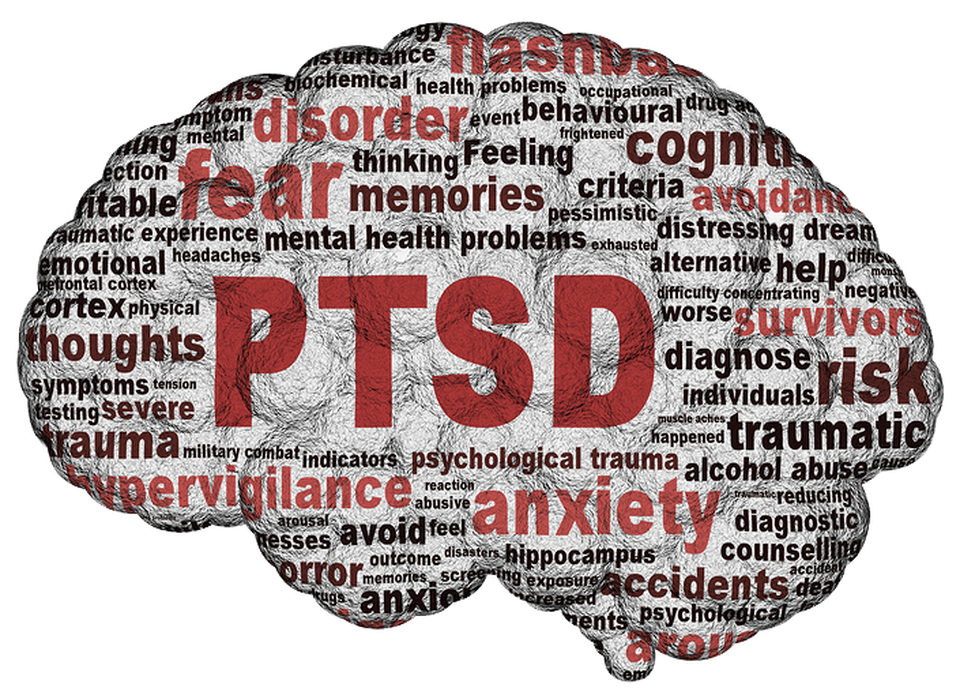
The Ugly Faces of Trauma: How Unresolved PTSD Can Affect Decision-Making and Risk-Taking
Trauma, particularly when left unprocessed, leaves profound imprints that extend far beyond the immediate moment of crisis. Post-Traumatic Stress Disorder (PTSD) is one of the most recognized outcomes of trauma, commonly associated with flashbacks, nightmares, or hyper-vigilance. Yet its influence is more insidious and widespread, reaching into some of the most fundamental aspects of human functioning: decision-making and risk-taking. These are not just psychological processes but critical life skills that shape careers, relationships, and overall well-being. When trauma remains unresolved, it distorts these processes in ways that can alter the trajectory of a person’s life.
The Neurobiology of Trauma and Decision-Making
At the root of PTSD lies the brain’s survival circuitry. During a traumatic event, the amygdala—our brain’s alarm system—becomes hyperactivated, while the prefrontal cortex, responsible for logic, reasoning, and executive decision-making, is suppressed. This evolutionary design helps ensure survival in moments of acute danger. However, in PTSD, this survival response becomes maladaptive and chronic.
The lingering hyperarousal of the amygdala means that the brain is persistently primed to detect threats, even when none exist. At the same time, the prefrontal cortex struggles to reassert control, reducing the individual’s capacity to evaluate situations rationally. Over time, this imbalance manifests as impaired judgment, difficulty assessing risks realistically, and a tendency toward either impulsive or excessively cautious decision-making. Everyday choices—from entering a new relationship to pursuing a career change—become fraught with anxiety, avoidance, or overcompensation.
The Psychology of Risk-Taking in PTSD
Risk-taking is an essential component of growth and adaptation. Yet for those with unresolved trauma, risk becomes distorted into extremes. On one end of the spectrum are individuals who engage in high-risk behaviors such as reckless driving, substance misuse, unsafe sexual practices, or financial gambling. These actions often serve as unconscious attempts to numb pain, regain a sense of control, or escape intrusive thoughts. They may also stem from a neurological craving for heightened stimulation as the traumatized brain seeks to override emotional numbness.
On the other end of the spectrum are those who retreat into rigid avoidance. These individuals may forgo opportunities, resist change, and avoid new relationships out of overwhelming fear that something will go wrong. Both extremes—reckless risk-taking and paralyzing avoidance—create barriers to personal development and long-term stability. Crucially, neither is truly about risk, but rather about coping with unresolved trauma.
The Ripple Effect on Families, Health, and Society
The consequences of PTSD-driven decision-making extend beyond the individual. Families often shoulder the burden of unpredictable behaviors, emotional withdrawal, or heightened conflict. Partners and children may feel the ripple effects of instability, eroding trust and security within the household. Over time, this can contribute to fractured family structures, cycles of intergenerational trauma, and decreased resilience in communities.
On a health level, unresolved PTSD is linked with comorbid conditions such as depression, anxiety, chronic pain, and substance use disorders. These conditions further complicate decision-making, creating a feedback loop in which unhealthy choices exacerbate both mental and physical symptoms. On a societal scale, unresolved trauma can fuel challenges such as poverty, unstable employment, increased healthcare costs, and community disconnection. In essence, untreated PTSD is not only a personal struggle but a public health concern.
Early Intervention: Rewiring the Brain and Breaking the Cycle
The hopeful reality is that PTSD, while deeply challenging, is treatable. Early intervention is critical because it prevents maladaptive decision-making patterns from becoming entrenched. Evidence-based therapies such as Cognitive Behavioral Therapy (CBT), Eye Movement Desensitization and Reprocessing (EMDR), and somatic experiencing have demonstrated strong effectiveness in helping individuals process trauma, reduce hyperarousal, and restore balance to the brain’s survival and reasoning systems.
Equally important is psychoeducation—helping individuals understand the biological and psychological mechanisms at play. When people learn that their impaired decision-making is not a moral failing but a neurological response to trauma, they can begin to reclaim agency over their choices. Developing coping strategies, building emotional regulation skills, and fostering resilience enable individuals to evaluate risks with greater clarity and confidence.
Redefining the Course of Life
Healing from trauma is not about erasing the past, but about reclaiming the present and reshaping the future. By addressing PTSD early, individuals can step away from destructive cycles of impulsivity or avoidance and toward a more intentional, empowered way of living. This shift has a profound ripple effect: healthier families, stronger communities, and ultimately, a society less burdened by the hidden costs of unresolved trauma.
Where to go from here, when PTSD affect rightful thought process and actions?
Unresolved PTSD carries many hidden faces—disrupted decision-making, distorted risk-taking, fractured relationships, and compromised health. Yet none of these outcomes are inevitable. By recognizing the subtle ways trauma shapes our choices, and by intervening early with effective therapeutic support, individuals can alter the trajectory of their lives. The journey from surviving to thriving is not simple, but it is entirely possible. With the right tools and guidance, the ugly faces of trauma can be transformed into stories of resilience, growth, and lasting happiness.
Learn More