

How to Cope Between Therapy Sessions When Depression Strikes: Mental Illness Never Takes a Break
Therapy can be a powerful lifeline in managing depression, but what happens in the spaces between sessions? Mental illness doesn’t operate on a schedule. Depression doesn’t pause to respect your calendar. It can creep in during quiet moments, overwhelm you at work, or hit hardest when you’re alone. That’s why learning how to cope between therapy appointments is essential for long-term healing and emotional resilience.
Below are practical and compassionate strategies to help you stay grounded, manage difficult emotions, and support yourself in the times when professional help isn’t immediately available.
1. Create a Personalized Coping Toolbox
Everyone’s experience with depression is unique, so your coping tools should be too. Start by identifying activities and strategies that have helped you in the past or that you’d like to try. Your toolbox might include:
- Breathing or grounding exercises
- Journaling thoughts and feelings
- Listening to calming or uplifting music
- Going for a walk or gentle movement
- Calling a trusted friend or support person
- Reading affirmations or past therapy notes
Keep your toolbox accessible—write it down or save it on your phone—so it’s easy to reference when you’re feeling low.
2. Stick to a Routine, Even a Simple One
Depression can make even the smallest tasks feel overwhelming, but having a loose daily routine can give your day structure and purpose. This doesn’t mean being rigid or overly ambitious. Focus on small, manageable habits such as:
- Getting out of bed around the same time each day
- Drinking a glass of water first thing in the morning
- Taking a shower or brushing your teeth
- Eating at regular intervals
- Going outside for at least five minutes
A routine offers a sense of normalcy and achievement, even during hard times.
3. Track Your Mood and Thoughts
Use a journal or an app to record how you’re feeling throughout the day. Note any triggers, patterns, or thoughts that stand out. This helps in two ways:
- It gives you insight into your emotional cycles
- It provides useful information to share in your next therapy session
By becoming more aware of your mental state, you can start to recognize early warning signs and act before things escalate.
4. Practice Self-Compassion, Not Perfection
It’s easy to become your harshest critic when you’re struggling. You might feel guilt for not being “productive” or shame for needing help. But healing isn’t linear, and there are no perfect days in recovery.
Treat yourself the way you would treat a dear friend—with kindness, patience, and understanding. Replace harsh inner dialogue with more supportive thoughts like:
- “I’m doing the best I can with what I have today.”
- “It’s okay to feel this way. These feelings won’t last forever.”
- “Needing rest doesn’t make me weak—it makes me human.”
5. Reach Out for Connection
Isolation can deepen the grip of depression, making it feel harder to reach out. But human connection, even in small doses, can provide relief and reassurance. Don’t wait for a crisis to call someone. Reach out when you:
- Need to vent
- Want distraction or company
- Feel yourself slipping into a dark mental space
You don’t have to explain everything. A simple, “Can we talk?” or “I could really use a friendly voice right now,” is enough.
6. Use Technology Wisely
There are several mental health apps designed to support people between therapy sessions. These can offer guided meditations, mood tracking, thought reframing, or even AI-based journaling. Some helpful ones include:
- Headspace (mindfulness and meditation)
- Moodpath (mood tracking and mental health screening)
- Woebot (a chatbot based on Cognitive Behavioral Therapy)
- Sanvello (coping tools, goal setting, and community support)
Use tech to your advantage—but be mindful of doom-scrolling or consuming triggering content on social media.
7. Know When to Seek Extra Help
Sometimes, depression intensifies between sessions. If you’re feeling overwhelmed or having thoughts of self-harm, don’t wait until your next appointment. Reach out to:
- A crisis hotline or mental health support line
- A trusted friend or family member
- Your therapist, if they offer emergency contact options
- A walk-in clinic or local mental health service
There is no shame in asking for more support when you need it. Your safety and well-being always come first.
Final Thoughts: You Are Stronger Than You Think
Between therapy sessions, you are still healing. Every effort you make to care for yourself—no matter how small—is a victory. Depression may not take a break, but neither does your resilience. With the right tools, support, and mindset, you can navigate the hard days and come out stronger on the other side.
Remember: You are not alone. Your story is still unfolding, and brighter chapters are ahead. Keep showing up for yourself. That’s courage. That’s strength. That’s hope in motion.

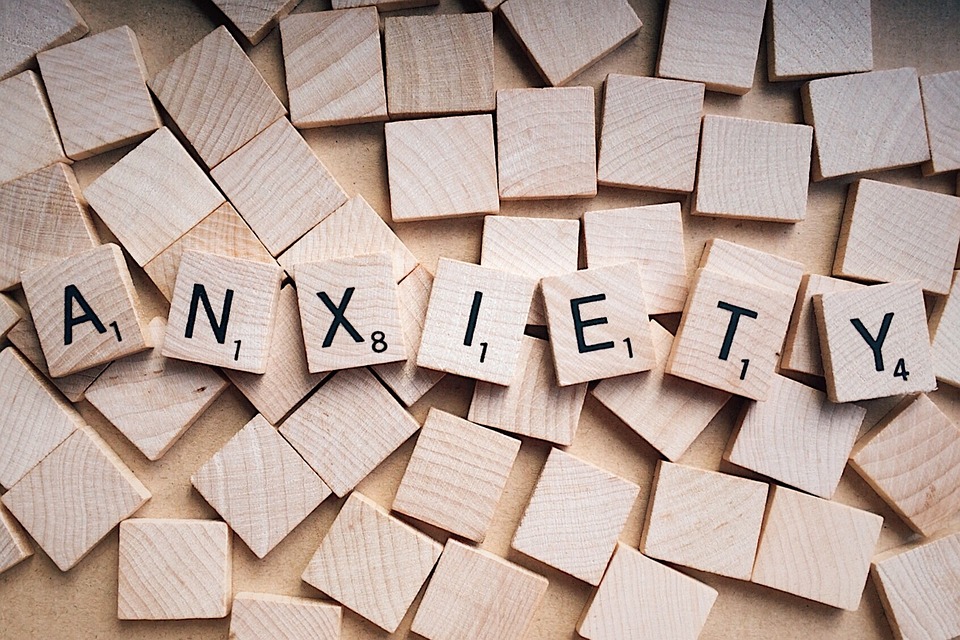
The Many Facets of Anxiety: How It Manifests as Irritability or Anger and Managing Them for a Happier, Serene Life
Anxiety is a complex and often misunderstood emotion. While most people associate it with worry, panic attacks, or restlessness, anxiety can also wear the mask of irritability or even anger. This disguised form can wreak havoc on our relationships, peace of mind, and overall well-being if not properly understood and managed.
Let’s dive into how anxiety shows up in unexpected ways, why it morphs into irritability or anger, and how we can address it for a more balanced, joyful life.
Understanding the Nature of Anxiety
Anxiety is the body’s response to perceived danger or stress. It triggers the “fight, flight, or freeze” response and prepares us to react. While this mechanism is essential for survival, it becomes problematic when overactivated by everyday stressors—deadlines, relationships, finances, health concerns.
When anxiety becomes chronic, it stops being helpful and starts manifesting in less obvious, but equally destructive ways.
Why Anxiety Turns into Irritability or Anger
Though they seem like separate emotions, anxiety and anger are closely linked:
- Overstimulation: When your brain is in constant overdrive from worry or hypervigilance, you’re more likely to become frustrated or overwhelmed quickly.
- Perceived Threats: Anxiety can cause you to interpret neutral events as threats. This leads to a defensive, sometimes aggressive reaction.
- Lack of Control: Feeling out of control is deeply unsettling. That discomfort can easily morph into anger, especially when we feel helpless.
- Bottled-up Emotions: When anxiety is suppressed, it can come out sideways—as sarcasm, short-temperedness, or even rage.
In truth, many people who seem “angry” are often silently struggling with underlying anxiety.
How to Recognize the Signs
You might be experiencing anxiety-related irritability or anger if you:
- Feel unusually impatient or snap at others over minor issues
- Notice a short fuse in stressful situations
- Experience muscle tension, headaches, or clenched jaws
- Constantly feel “on edge” or overly alert
- Regret reactions that felt disproportionate afterward
Acknowledging these patterns is the first step toward regaining inner calm.
Strategies for Managing Anxiety-Driven Irritability and Anger
- Pause and Breathe
Deep breathing activates the parasympathetic nervous system, calming your fight-or-flight response. Practice box breathing: inhale for 4 seconds, hold for 4, exhale for 4, and hold for 4 again.
- Identify Triggers
Journaling or reflecting on moments when you felt irritable can help pinpoint recurring triggers. Is it work-related? A particular person? Lack of sleep?
- Reframe Your Thoughts
Anxiety often stems from distorted thinking. Catch yourself in moments of catastrophizing or assuming the worst. Replace fear-driven thoughts with balanced, empowering ones.
- Use Physical Activity as an Outlet
Movement releases pent-up energy and boosts feel-good endorphins. Even a brisk walk can dissipate rising frustration.
- Practice Mindfulness and Meditation
These tools train your mind to stay present, reducing rumination and reactivity. Over time, they build emotional resilience.
- Communicate Openly
Let others know what you’re experiencing. Saying, “I’m feeling overwhelmed, I need a moment,” is far healthier than letting tension explode later.
- Seek Professional Support
Therapy—especially cognitive behavioral therapy (CBT)—can be transformative in understanding and reshaping anxiety’s impact on your emotional responses.
Living a More Serene Life
Healing from anxiety-induced irritability is not about becoming emotionless; it’s about gaining mastery over your responses. When you understand the roots of your reactions, you stop being ruled by them. You move from reactive to responsive, from chaotic to centered.
Imagine waking up not bracing for the day, but embracing it. Imagine conversations filled with patience instead of tension. That serenity isn’t just a dream—it’s a skill. And like all skills, it grows with intention and practice.
Mother nature of anxiety: From Storm to Stillness
Anxiety is not your enemy. It’s a messenger—alerting you to unresolved fears, unmet needs, or unsustainable stress levels. When we listen with compassion, not judgment, we can transform our anxiety from a source of pain into a catalyst for growth.
Let every day be a chance to pause, breathe, and choose peace over panic, understanding over outbursts, and joy over fear.
Because within every anxious heartbeat lies the quiet potential for a calm, powerful, and radiant life.
Concluding words of wisdom: “You’re not broken—you’re becoming. And every moment of awareness is a step closer to the peace you deserve.”
