
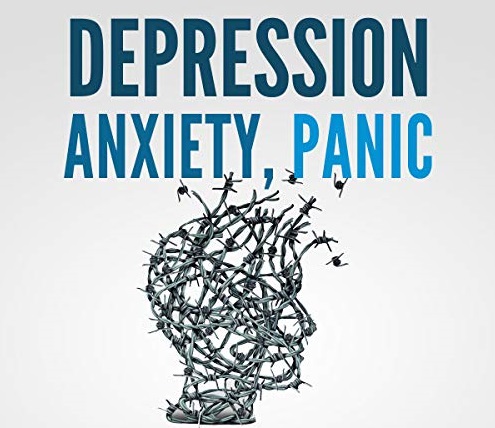
The Side Effect of Depression: How Isolation Exacerbates the Pain—And How Therapy Can Guide You Out of the Vortex
Depression is not just a mood—it’s a powerful force that can alter how we see ourselves, our future, and the world around us. While its symptoms can vary, one common thread binds most experiences of depression: the tendency to isolate.
But here’s the hard truth—isolation is not relief. It’s reinforcement. And while pulling away may feel like a way to survive, it can quietly drag you deeper into the very thing you’re trying to escape.
Let’s dive into how isolation worsens depression—and more importantly, how psychotherapy can help you break free.
🧠 The Link Between Depression and Isolation
When you’re depressed, even the simplest social interaction can feel exhausting. You may tell yourself:
- “They won’t understand.”
- “I don’t want to be a burden.”
- “It’s better if I’m alone.”
These thoughts are not signs of weakness; they’re symptoms of the illness itself. But isolation is like turning down the lights in an already dark room. It deepens loneliness, reduces stimulation, and cuts off opportunities for connection and hope.
Studies show that social withdrawal can intensify feelings of worthlessness, sadness, and despair. It also removes the external feedback we often need to challenge the lies depression tells us about ourselves.
💬 The Vortex of Misery—Why It Feels Impossible to Climb Out
Depression isn’t just sadness. It’s a fog of fatigue, self-doubt, and emotional numbness. Over time, isolation can create a feedback loop:
- You feel low, so you withdraw.
- The lack of connection deepens the low mood.
- You interpret the growing distance as proof you’re unworthy.
- Repeat.
This cycle can feel like a vortex—spinning faster the longer it’s left unaddressed. But here’s where hope begins: therapy.
💡 How Therapy Can Help You Step Out of Isolation
Therapy isn’t just about talking—it’s about transforming. With the right approach, it helps you reconnect with yourself, others, and your sense of purpose.
Here are some modalities proven to help treat depression and the isolation it often brings:
1. Cognitive Behavioral Therapy (CBT)
CBT helps identify and challenge the negative thought patterns that fuel both depression and isolation. You learn how to:
- Recognize distorted thinking (“No one cares about me.”)
- Replace it with more balanced thoughts (“Some people do care, even if I don’t feel it right now.”)
- Practice behaviors that build connection, even in small steps
Why it works: CBT is solution-focused and teaches practical tools to fight the urge to withdraw.
2. Interpersonal Therapy (IPT)
Since isolation directly impacts relationships, IPT focuses on improving communication and resolving social conflicts. It addresses:
- Grief or loss
- Role transitions (divorce, job loss)
- Interpersonal disputes
- Social skill deficits
Why it works: It targets the very area depression tends to destroy—your human connections.
3. Mindfulness-Based Cognitive Therapy (MBCT)
This approach blends cognitive therapy with mindfulness practices to help you stay present and prevent relapse.
You learn how to:
- Observe your thoughts without judgment
- Ground yourself when the mind spirals
- Break the autopilot mode of depressive thinking
Why it works: MBCT gives you space between your emotions and your reactions.
4. Psychodynamic Therapy
For those who want to explore the deeper roots of their depression—such as childhood wounds or repressed feelings—psychodynamic therapy offers profound insight.
Why it works: It allows healing at the source, not just the surface.
✨ Your Journey Starts With One Step
Here’s what depression doesn’t want you to know: You are not alone. You never were.
There’s always a bridge out of the vortex—but sometimes, it takes the steady hand of a therapist to guide you toward it.
Isolation may whisper that hiding is safer. But connection is where healing begins.
You don’t have to climb out all at once. You only need the courage to start.
And therapy? It’s not the end of the road.
It’s the beginning of your return to life.
🗣 Words of wisdom: From Isolation to Illumination
If you’ve been battling depression in silence, now is the time to break that silence—with strength, not shame. Reach out. Invest in your healing. Let therapy be your light out of the dark.
You are worth the effort.
You are worthy of connection.
And yes—you are absolutely capable of climbing out of that vortex.

The Art of the Off Switch: Why Work-Life Balance Is Your Health Plan in Disguise
The hustle has never been louder. Somewhere between back-to-back meetings, inbox avalanches, and deadlines that feel more like landmines, you’ve probably caught yourself whispering the phrase, “There just aren’t enough hours in the day.” It’s an anthem of modern life, a badge we wear like honor. But behind that busy bravado lies a quieter truth: without balance, everything else unravels. If you’re not protecting your time, you’re sacrificing your health—mental, physical, and everything in between.
Redefine What Productivity Looks Like
You’ve been taught to measure productivity by output, by how much you can grind through before you finally crash. But that’s not sustainable, and deep down you know it. The most productive people don’t sprint through every hour; they pace themselves like marathoners, knowing when to push and when to pause. Real productivity is more than checked boxes—it’s doing your best work because you’re rested, focused, and present.
Ask For Help
Before your schedule starts to feel like quicksand, think about what you really need to be doing yourself. If a task doesn’t bring you energy or require your unique skill set, it’s probably a strong candidate for outsourcing. Hiring help with bookkeeping, scheduling, or even grocery delivery can buy back hours that matter more in your life than on your to-do list. Make a list of things that can be done without your immediate input, then check them off as they’re done. You’ll feel like a major weight has been lifted off your shoulders.
Physical Health Is Non-Negotiable
Your body keeps score. The skipped lunches, the midnight emails, the chronic five-hour sleep cycles—they don’t go unnoticed. High blood pressure, tension headaches, fatigue, and even compromised immunity creep in slowly until they become the new normal. Building in time for movement, hydration, and meals isn’t a luxury. It’s fuel. It’s what keeps the engine running when the days get heavy. A 30-minute walk, a stretch between calls, or just remembering to breathe deeply—these aren’t breaks from work, they’re investments in your capacity to do it well.
Mental Health Deserves Its Own Calendar Slot
If your calendar runs your life, then it should also protect it. Mental well-being can’t be an afterthought, and yet it’s often the first thing sacrificed. The more you neglect it, the harder it is to find your footing again. Meditation doesn’t have to look like incense and silence—it can be closing your eyes for sixty seconds, a journal entry before bed, or a ten-minute conversation with someone who reminds you who you are outside of work. Carve out space to decompress, even if it’s small. Otherwise, stress doesn’t just take up room—it takes over.
Sleep Is a Priority, Not a Perk
There’s a false sense of pride that comes with functioning on little sleep. Like it makes you more dedicated, more serious. But the science is clear: sleep deprivation affects your memory, mood, and decision-making. You’re not a machine. You’re a human body that needs recovery to thrive. One less hour of screen time in the evening can give you back more energy the next day than any triple-shot latte ever could. If you wouldn’t show up to a meeting drunk, don’t show up to your life sleep-deprived. The effects are eerily similar.
Draw Boundaries Like Your Sanity Depends on It—Because It Does
Boundaries are the unsung heroes of balance. They’re not about saying no just for the sake of it—they’re about saying yes to what matters. That might look like setting an out-of-office message at 6 p.m. or declining meetings that don’t need your voice. It’s closing your laptop without guilt and knowing that stepping away doesn’t make you less committed. It makes you more human. People respect those who respect their time, but first, you need to model it for yourself.
Nourish the Life You Want Outside the Office
You don’t have to earn your personal time. You already deserve it. Whether it’s cooking dinner with music in the background, reading a novel on your porch, or laughing with friends until your stomach hurts, those moments aren’t distractions—they’re the point. When life becomes all tasks and no texture, you lose perspective. Reconnect with the parts of your identity that have nothing to do with your job title. That’s not indulgence. That’s survival.
You’re not here to be a robot. You’re here to live, to experience, to connect. The quality of your work improves when the quality of your life does. Choose to take care of the only person who can do what you do the way you do it—you.
Unlock your potential with personalized coaching from Dr. Dan Amzallag, where professionalism meets support to guide you through life’s challenges—schedule your free initial consultation today!
This article was written by: Jason Ruiz
