

The ugly friend of depression: How dietary changes can help you manage your depression symptom

Consuming appropriate food (eliminating refined sugar and heavy carbohydrates) is intricately linked to mental health through various physiological and biochemical processes. The connection between diet and mental well-being is intricate, involving numerous factors that can either support or undermine the direct connection between the body and mind. It is crucial to thoroughly reassess, address, and scrutinize everything you are about to consume. While occasional indulgence is acceptable, it should be infrequent throughout the year, not a daily occurrence. Moderation is essential, especially when it comes to substances that can harm your body. The transparency of healthy foods contrasts sharply with the fast food industry’s aversion to a health-conscious population. The fast food industry thrives on the addictive nature of ingredients, such as sugar, strategically incorporated into their products. Understanding how these additives can manipulate the physiological aspects of an individual and impact mental health is essential. Your food choices significantly influence your overall well-being.
Positive dietary changes can play a significant role in relieving depression symptoms due to the complex relationship between the gut and the brain, often referred to as the “gut-brain connection.” Several mechanisms contribute to how diet impacts mental health:

- Nutrient Intake: A balanced and nutrient-dense diet provides essential vitamins, minerals, and antioxidants that support brain function. For example, omega-3 fatty acids found in fish, flaxseeds, and walnuts are linked to better mental health.
- Serotonin Production: Serotonin is a neurotransmitter associated with mood regulation. Foods rich in tryptophan, an amino acid precursor to serotonin, can boost serotonin levels. These include turkey, chicken, eggs, nuts, and seeds.
- Gut Microbiota: The gut is home to trillions of microorganisms collectively known as the gut microbiota. Emerging research suggests that the composition of these microbes can influence mental health. A diet rich in fiber, prebiotics, and probiotics promotes a diverse and healthy gut microbiome, positively impacting mood.
- Inflammation Reduction: Chronic inflammation is linked to various mental health disorders, including depression. A diet high in anti-inflammatory foods, such as fruits, vegetables, and fatty fish, can help reduce inflammation in the body and potentially alleviate depressive symptoms.
- Blood Sugar Regulation: Fluctuations in blood sugar levels can impact mood and energy levels. Consuming complex carbohydrates, fiber, and protein can help stabilize blood sugar levels and prevent energy crashes, promoting more stable moods.
- Avoiding Trigger Foods: Some individuals may experience mood disturbances or increased inflammation in response to certain foods, such as refined sugars, processed foods, and excessive caffeine. Identifying and avoiding these trigger foods can be beneficial for mental health.
- Hydration: Dehydration can negatively affect mood and cognitive function. Maintaining adequate hydration by consuming water and other hydrating beverages is crucial for overall well-being.

It’s important to note that while dietary changes can be supportive, they are not a standalone solution for treating depression. Individuals experiencing depression should consult with healthcare professionals for a comprehensive treatment plan, which may include therapy, medication, and lifestyle modifications, including dietary changes.
Combining a balanced diet and regular exercise can significantly enhance your ability to manage symptoms of depression, though it should be noted that this approach is not a cure. Similar to addressing anger issues, there are no specific classes or pills that can entirely eliminate mood fluctuations, anger, or responses to triggers.
Initiating change has to start somewhere, prompting the reflection on the classic question: “What came first, the chicken or the egg?” Speculating on whether our prehistoric ancestors experienced depression due to their diet is challenging, considering the absence of refined foods during that era.
Despite advancements in our understanding of mental health, comprehending the complexities behind conditions like bipolar disorder, borderline personality disorder, chronic depression, anxiety, and others remains a challenge. The varying susceptibility of individuals to these challenges, as well as the severe consequences some endure, raises crucial questions. Psychiatrists and psychologists are continually striving to unravel these mysteries, seeking the most effective ways to address these complex issues. It is hoped that long-term solutions, particularly through the implementation of effective psychotherapeutic modalities, will be developed to confront and manage these challenges.
Learn More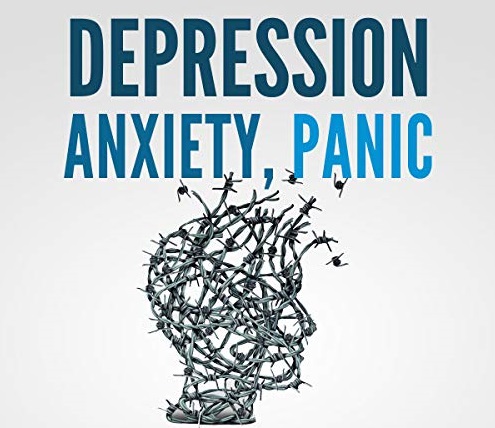
Key strategies to maintaining proper mental health when being a caregiver: Anxiety can hit you at anytime, anywhere and frequently!

Adult caregivers exemplify remarkable selflessness in their commitment to loved ones, expressing unwavering dedication through sacrifice. They prioritize their loved ones’ needs above their own, demonstrating boundless compassion and empathy. Driven by a deep sense of responsibility and love, caregivers navigate challenges with grace, willingly setting aside personal desires for the well-being, safety, and happiness of their loved ones. Despite facing physical and emotional exhaustion, they give generously to enhance the quality of life, extending their selflessness beyond routine caregiving tasks. This profound expression of love showcases the depth of their compassion and the extraordinary lengths they go for their loved ones’ comfort and happiness.

Caregiving, while a noble and fulfilling role, can also come at a price, particularly in terms of anxiety. The responsibilities and challenges associated with caregiving can contribute to heightened anxiety levels for caregivers. Caregiving demands significant emotional, physical, and sometimes financial investments. The constant worry about the well-being of a loved one, coupled with the challenges of providing care, can lead to chronic stress and anxiety. Caregivers often face complex medical or emotional situations, difficult decisions, and the ongoing pressure to meet the needs of their loved ones. Moreover, caregivers may feel isolated or unsupported, lacking a robust network to share their experiences or seek assistance. The emotional toll of witnessing the suffering or decline of a loved one can be overwhelming, contributing to a sense of helplessness and anxiety. Below are some strategies that can help adult caregivers cope with anxiety and still keep their sanity:
- Self-Care Routine:
• Establish a consistent self-care routine that includes activities you enjoy, such as exercise, reading, or taking a leisurely walk.
• Prioritize sufficient sleep to ensure you are well-rested and better equipped to handle stress. - Healthy Lifestyle Choices:
• Maintain a balanced diet with nutritious food to support physical and mental well-being.
• Limit caffeine and sugar intake, as they can contribute to increased anxiety. - Mindfulness and Relaxation Techniques:
• Practice mindfulness meditation or deep-breathing exercises to stay present and calm the mind.
• Consider activities like yoga or tai chi that promote relaxation and stress reduction. - Set Realistic Expectations:
• Establish achievable goals and be realistic about what you can accomplish.
• Break larger tasks into smaller, more manageable steps to reduce feelings of overwhelm. - Effective Time Management:
• Prioritize tasks and organize your schedule to avoid unnecessary stress.
• Delegate responsibilities when possible, recognizing that you don’t have to do everything on your own. - Seek Support:
• Connect with friends, family, or support groups to share your feelings and experiences.
• Consider professional counseling or therapy to have a safe space to discuss and manage anxiety. - Boundaries:
• Set clear boundaries between work and personal life to prevent burnout.
• Learn to say no when necessary and communicate your limits to others. - Positive Affirmations:
• Replace negative thoughts with positive affirmations to cultivate a more optimistic mindset.
• Focus on your strengths and acknowledge your accomplishments, no matter how small. - Stay Informed:
• Educate yourself about anxiety, its triggers, and coping mechanisms to better understand and manage your own feelings.
• Attend workshops or seek resources on stress management techniques. - Professional Help:
• If anxiety becomes overwhelming, consider seeking help from a mental health professional.
• Therapy or counseling can provide valuable tools and strategies to navigate and overcome anxiety.
Remember, everyone’s experience with anxiety is unique, and finding what works best for you may involve a combination of these strategies. It’s essential to prioritize your mental health and well-being as a caregiver. While caregiving is a deeply rewarding experience, the associated challenges, demands, and emotional strain can take a toll on caregivers, potentially leading to anxiety. It is essential for caregivers to recognize the importance of self-care, seek support, and prioritize their own mental health to effectively navigate the challenges that come with caregiving.
Learn More