
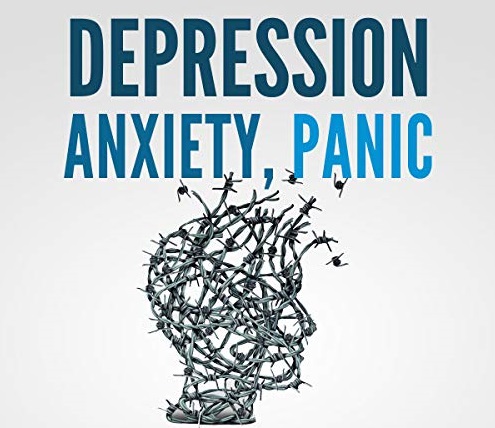
The Side Effect of Depression: How Isolation Exacerbates the Pain—And How Therapy Can Guide You Out of the Vortex
Depression is not just a mood—it’s a powerful force that can alter how we see ourselves, our future, and the world around us. While its symptoms can vary, one common thread binds most experiences of depression: the tendency to isolate.
But here’s the hard truth—isolation is not relief. It’s reinforcement. And while pulling away may feel like a way to survive, it can quietly drag you deeper into the very thing you’re trying to escape.
Let’s dive into how isolation worsens depression—and more importantly, how psychotherapy can help you break free.
🧠 The Link Between Depression and Isolation
When you’re depressed, even the simplest social interaction can feel exhausting. You may tell yourself:
- “They won’t understand.”
- “I don’t want to be a burden.”
- “It’s better if I’m alone.”
These thoughts are not signs of weakness; they’re symptoms of the illness itself. But isolation is like turning down the lights in an already dark room. It deepens loneliness, reduces stimulation, and cuts off opportunities for connection and hope.
Studies show that social withdrawal can intensify feelings of worthlessness, sadness, and despair. It also removes the external feedback we often need to challenge the lies depression tells us about ourselves.
💬 The Vortex of Misery—Why It Feels Impossible to Climb Out
Depression isn’t just sadness. It’s a fog of fatigue, self-doubt, and emotional numbness. Over time, isolation can create a feedback loop:
- You feel low, so you withdraw.
- The lack of connection deepens the low mood.
- You interpret the growing distance as proof you’re unworthy.
- Repeat.
This cycle can feel like a vortex—spinning faster the longer it’s left unaddressed. But here’s where hope begins: therapy.
💡 How Therapy Can Help You Step Out of Isolation
Therapy isn’t just about talking—it’s about transforming. With the right approach, it helps you reconnect with yourself, others, and your sense of purpose.
Here are some modalities proven to help treat depression and the isolation it often brings:
1. Cognitive Behavioral Therapy (CBT)
CBT helps identify and challenge the negative thought patterns that fuel both depression and isolation. You learn how to:
- Recognize distorted thinking (“No one cares about me.”)
- Replace it with more balanced thoughts (“Some people do care, even if I don’t feel it right now.”)
- Practice behaviors that build connection, even in small steps
Why it works: CBT is solution-focused and teaches practical tools to fight the urge to withdraw.
2. Interpersonal Therapy (IPT)
Since isolation directly impacts relationships, IPT focuses on improving communication and resolving social conflicts. It addresses:
- Grief or loss
- Role transitions (divorce, job loss)
- Interpersonal disputes
- Social skill deficits
Why it works: It targets the very area depression tends to destroy—your human connections.
3. Mindfulness-Based Cognitive Therapy (MBCT)
This approach blends cognitive therapy with mindfulness practices to help you stay present and prevent relapse.
You learn how to:
- Observe your thoughts without judgment
- Ground yourself when the mind spirals
- Break the autopilot mode of depressive thinking
Why it works: MBCT gives you space between your emotions and your reactions.
4. Psychodynamic Therapy
For those who want to explore the deeper roots of their depression—such as childhood wounds or repressed feelings—psychodynamic therapy offers profound insight.
Why it works: It allows healing at the source, not just the surface.
✨ Your Journey Starts With One Step
Here’s what depression doesn’t want you to know: You are not alone. You never were.
There’s always a bridge out of the vortex—but sometimes, it takes the steady hand of a therapist to guide you toward it.
Isolation may whisper that hiding is safer. But connection is where healing begins.
You don’t have to climb out all at once. You only need the courage to start.
And therapy? It’s not the end of the road.
It’s the beginning of your return to life.
🗣 Words of wisdom: From Isolation to Illumination
If you’ve been battling depression in silence, now is the time to break that silence—with strength, not shame. Reach out. Invest in your healing. Let therapy be your light out of the dark.
You are worth the effort.
You are worthy of connection.
And yes—you are absolutely capable of climbing out of that vortex.

dr.dan
Related Posts

A proactive approach to anxiety: Antithesis of the big pharma (more reactive approach with drugs)
Anxiety has deep-rooted origins that stem from a combination of biological,...

The space-time continuum. How depression can distort your sense of time and ways to fall back on the right path to feel whole again. Strategies that works!
Have you ever noticed how, when you’re feeling low, time seems to slip...
Carrying the weight of depression symptoms due to loneliness. How to break the isolation cycle post pandemic. Effective strategies that can help you get back into society and mingle with other human beings.
The COVID-19 pandemic reshaped social interactions, forcing many into...

Nasty side effects of depression with long term romantic relationships. How is your chronic depression affect your existing relationship and finding solutions to avoid losing the people you care about the most? Here are some valid strategies to make things work.
Depression is not just an individual struggle; it has far-reaching impacts...