
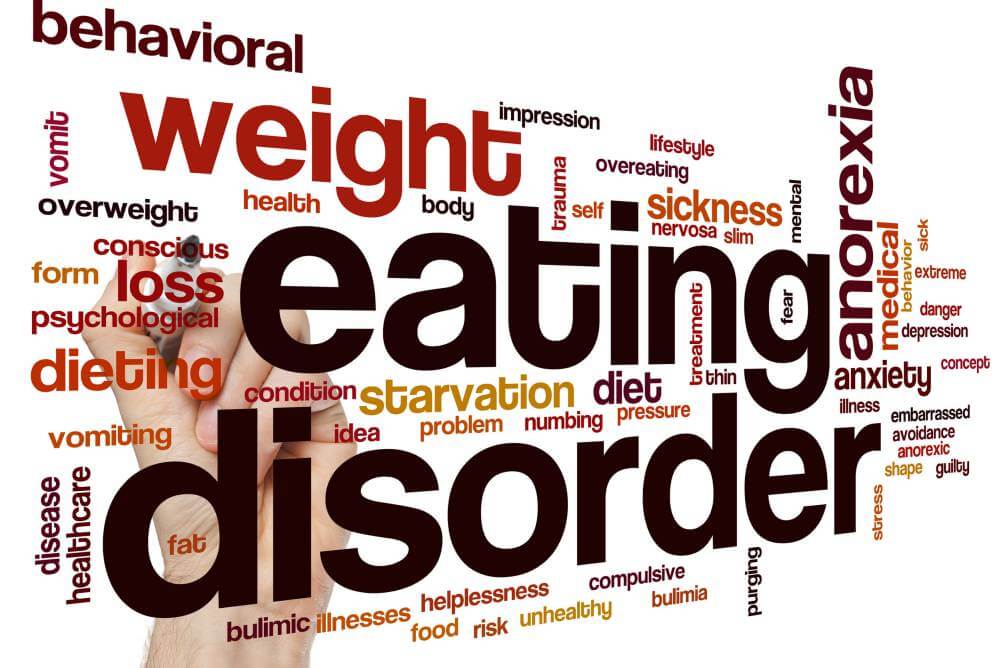
Do eating disorders come at a young age? How to recognize the difference between picky eating and an eating disorder: Paying attention as parents is crucial for mind and body development of your young kids.
Eating disorders can indeed manifest at a young age, often emerging during childhood or adolescence. While it’s more commonly associated with teenagers and young adults, the signs and symptoms of eating disorders can begin to surface much earlier, sometimes even as early as elementary school years. These disorders can take various forms, including anorexia nervosa, bulimia nervosa, and binge-eating disorder, each with its own set of behaviors and characteristics.
Recognizing the difference between picky eating and an eating disorder is crucial for parents to ensure the proper development of their children’s minds and bodies. Typically, picky eating is considered a normal phase of development for many children and is not associated with underlying psychological or emotional issues. It often arises as a result of sensory sensitivities, natural aversions to certain tastes or textures, or a desire for familiarity and routine in eating habits. While picky eating may cause frustration for parents, it generally does not lead to significant health concerns or nutritional deficiencies.
During this phase, children may exhibit behaviors such as refusing to try new foods, expressing strong preferences for specific foods, or showing reluctance to eat certain food groups, such as vegetables or proteins. They may also exhibit mealtime behaviors such as playing with food, taking small bites, or expressing discomfort with certain food textures.
On the other hand, an eating disorder involves more serious and potentially harmful behaviors surrounding food, body image, and weight. These behaviors can include extreme calorie restriction, purging, binge eating, or obsessive thoughts about food and weight. Unlike picky eating, which may resolve on its own or with gentle encouragement, eating disorders require professional intervention and treatment to address the underlying psychological and emotional issues.
It’s important for parents to approach picky eating with patience, understanding, and encouragement rather than resorting to coercion or pressure tactics. Offering a variety of nutritious foods in a positive and supportive environment can help children gradually expand their palate and develop healthier eating habits over time. Additionally, involving children in meal planning and preparation can empower them to feel more comfortable and confident with new foods. Look for signs such as excessive preoccupation with weight or body image, secretive eating behaviors, drastic changes in weight or eating patterns, or frequent comments about feeling fat or unhappy with their appearance. Additionally, be mindful of any signs of distress, anxiety, or depression that may accompany disordered eating behaviors.
Creating a supportive and nurturing environment at home can also play a crucial role in preventing or addressing eating disorders in children. Encourage open communication about food, body image, and emotions, and model healthy eating behaviors yourself. Avoid placing undue emphasis on weight or appearance, and instead focus on promoting positive self-esteem, body acceptance, and overall well-being.
If you suspect that your child may be struggling with an eating disorder, it’s essential to seek professional help as soon as possible. A pediatrician, therapist, or eating disorder specialist can provide a comprehensive evaluation and recommend appropriate treatment options, which may include therapy, nutritional counseling, and medical intervention.
Parents can promote their children’s healthy development and overall well-being by staying watchful and taking proactive steps to address any possible eating disorders. This approach sets the stage for lifelong positive connections with food and body positivity.


dr.dan
Related Posts

The very difficult decision to make in life: Knowing when to cut off interaction with toxic family members
So I know I will get a lot of negative feedback with this article and most will...
Navigating back-to-school anxiety amid changing school policies. Imminent changes that can bring stress to kids and parents and knowing what to do to reduce the levels of cortisol in your body. Efficient strategies that can help you for school year 2026-2027.
The return to school can be an exciting time filled with new opportunities,...

Effective strategies in managing conflicts when one partner avoids arguments: Subtle ways to compromising to ensure a healthy relationship long term.
Managing conflicts in a relationship where one partner avoids arguments can...

Strategies in Helping kids understand and express big emotions: Expressing empathy to alleviate fear when discussing their struggles at home or school. The Role of parents in raising emotionally stable kids
Empathy is the ability to understand and share another person’s feelings, and it...