

Why anxiety can make you fear happiness or calm and strategies on how to eliminate this fear with psychotherapy. Take control of your mental health with the right modality!
It sounds contradictory, but many people who struggle with anxiety are not only afraid of stress—they are afraid of calm. Moments of happiness, peace, or emotional stability can trigger discomfort, racing thoughts, or even panic. Instead of enjoying the quiet, the mind begins scanning for danger. Instead of embracing joy, the body tightens as if preparing for impact. If this has happened to you, you are not broken. You are conditioned.
Anxiety is not just an emotion; it is a survival response. Over time, when someone experiences chronic stress, trauma, unpredictability, or repeated disappointment, the nervous system adapts. It learns that vigilance equals safety. Hyperawareness becomes protective. Worry becomes preparation. Tension becomes readiness. When this pattern is repeated long enough, the brain wires itself to believe that staying on guard prevents pain.
The problem is that once the nervous system is trained to operate in survival mode, calm feels unfamiliar. And what is unfamiliar often feels unsafe. If your body has spent years bracing for impact, relaxation can feel like vulnerability. The silence after chaos can feel suspicious. Peace can feel like “the calm before the storm.” The mind may whisper, “Something bad is about to happen,” simply because things are going well.
There is also a phenomenon known as fear of positive emotion. For some individuals, happiness in the past was followed by loss, criticism, betrayal, or trauma. The brain connects joy with danger, not because joy is dangerous, but because it was once paired with pain. If you allowed yourself to feel hopeful and were later hurt, your system may have concluded that hope is risky. Anxiety then steps in as a shield. It dulls excitement. It questions good news. It creates “what if” scenarios. It believes it is protecting you from future disappointment.
Control plays another powerful role. Anxiety gives an illusion of control. When you worry, you feel like you are preparing. When you analyze every possible outcome, you feel proactive. Calm, however, requires surrender. It requires trusting the present moment without rehearsing catastrophe. For someone accustomed to controlling outcomes through hypervigilance, letting go can feel terrifying. The mind may think, “If I stop worrying, I’ll miss something important.” This belief keeps the anxiety cycle intact.
Neurologically, this makes sense. The amygdala, the brain’s alarm system, becomes hypersensitive with chronic anxiety. It scans constantly for threats, even neutral or positive ones. Meanwhile, the prefrontal cortex, responsible for rational thinking and emotional regulation, can become overridden by survival responses. The body reacts before logic has a chance to intervene. This is why anxiety during happy moments feels automatic and difficult to control.
Psychotherapy is powerful because it addresses both the cognitive patterns and the physiological conditioning behind this fear. It does not simply tell you to “relax.” It helps retrain your entire system to experience safety again.
One of the first steps in therapy is psychoeducation. Understanding how anxiety works reduces secondary fear. When you learn that your nervous system is reacting out of habit—not because danger is present—you begin separating sensation from reality. Knowledge alone can reduce intensity because the unknown becomes understood.
Cognitive-based therapies help uncover the unconscious beliefs driving fear of calm. Thoughts such as “If I’m happy, something bad will follow,” “I don’t deserve peace,” or “Relaxing makes me weak” are brought into awareness. These beliefs are not criticized; they are explored. Where did they originate? What experiences shaped them? Are they still accurate today? Through restructuring and reframing, the brain gradually adopts healthier interpretations.
For individuals whose anxiety is rooted in trauma or chronic stress, somatic and trauma-informed approaches are essential. Anxiety is not only stored in thoughts; it is stored in the body. Muscle tension, shallow breathing, digestive issues, and sleep disturbances are all signs of a system stuck in survival mode. Therapeutic modalities that focus on body awareness, breath regulation, and gradual nervous system recalibration allow calm to be introduced slowly and safely. The goal is not forced relaxation but regulated safety.
Exposure-based strategies are also useful, but in a nuanced way. Instead of exposing someone to feared external situations, therapy can involve exposure to positive internal states. For example, practicing sitting with calm for short periods and noticing the urge to escape. Gradually increasing tolerance for peaceful sensations teaches the nervous system that nothing catastrophic happens when you relax. This builds emotional resilience.
Mindfulness-based therapies help individuals observe anxious thoughts without immediately reacting to them. Rather than fighting the thought “This won’t last,” you learn to notice it as a mental event, not a prophecy. Over time, this decreases the brain’s reactivity and increases emotional flexibility.
For some clients, deeper work involves identity reconstruction. When anxiety has been present for many years, it can become part of self-concept. You may unconsciously believe that being vigilant is who you are. Therapy helps separate identity from symptoms. You are not your anxiety; you are someone who developed anxiety as an adaptive response.
The process of eliminating fear of happiness does not happen overnight. It requires consistency, patience, and the right modality tailored to your history and nervous system. However, the brain is neuroplastic. It can rewire. Patterns learned through repetition can be unlearned through new repetition. Each time you allow yourself to experience calm without fleeing into worry, you are reshaping neural pathways.
Taking control of your mental health means recognizing that anxiety is not a life sentence. It is a pattern that can be reconditioned. The right psychotherapeutic approach provides structure, safety, and strategy. Whether through cognitive modalities, trauma-focused therapy, somatic work, or integrative approaches, the key is alignment with your specific needs.
Happiness is not a threat. Calm is not a warning sign. Peace does not mean you are unprepared. With effective psychotherapy, you can retrain your mind and body to interpret safety as safety. You can learn that joy does not need to be braced for, and quiet moments do not need to be questioned. When your nervous system feels secure, you no longer fear losing happiness—you learn how to sustain it.
Learn More
Staying on the Mental Edge: How a “Threat-Focused” brain keeps you wired—stressed, anxious and what to do about it. Some strategies that can work!
Have you ever felt like your mind is always on high alert, scanning for problems, risks, or danger, even when everything seems perfectly fine? If so, you’re not imagining it. What you’re experiencing is what psychologists call a “threat-focused” brain—a mind wired to detect threats, anticipate challenges, and stay vigilant at all times. This hyper-alert state may have been essential for our ancestors, keeping them alive in dangerous environments, but in today’s world, it can leave you feeling exhausted, anxious, and perpetually on edge. Understanding why your brain stays in this mode, and learning how to calm it, is key to maintaining focus, resilience, and mental well-being.
A threat-focused brain is always scanning for what could go wrong. It prioritizes negative stimuli and asks questions like, “Is this safe?” or “What could happen if I fail?” While this heightened awareness can help you plan and avoid mistakes, it also keeps your body’s stress systems—cortisol and adrenaline—constantly activated. Over time, chronic stress wears on your mind and body, affecting sleep, focus, decision-making, and even physical health. Headaches, high blood pressure, muscle tension, and digestive issues are all common byproducts of a brain stuck in survival mode. Recognizing the signs of a threat-focused mind—racing thoughts, irritability, and a constant sense of tension—is the first step toward regaining control.
The good news is that there are proven strategies to calm a threat-focused brain without dulling your awareness. One of the most effective methods is mindfulness. By intentionally bringing your attention to the present moment, you signal to your nervous system that it is safe to relax. Mindfulness can take many forms: focused breathing, guided meditation, or simply observing your surroundings without judgment. Even a few minutes a day can retrain your brain to notice opportunities, gratitude, and positive experiences instead of constantly scanning for danger.
Alongside mindfulness, cognitive reframing offers another powerful approach. This involves noticing fear-driven or negative thoughts and consciously questioning their accuracy. Instead of letting your mind spiral into worst-case scenarios, you can remind yourself of your skills, preparation, and past successes. Over time, reframing changes the way your brain interprets stressors, shifting from seeing every challenge as a threat to viewing them as opportunities for growth and problem-solving.
Physical activity also plays a vital role in managing a threat-focused mind. Exercise reduces the buildup of stress hormones, releases endorphins, and improves overall nervous system regulation. Whether it’s a brisk walk, a yoga session, or a swim, movement provides a tangible outlet for tension and mental fatigue. Consistent activity also supports restorative sleep, which is often disrupted in a hyper-vigilant state.
Equally important is the role of social connection. Humans are hardwired to respond to support and reassurance. Talking through worries with trusted friends, family, or support networks provides perspective, emotional release, and the sense that you’re not facing challenges alone. Feeling connected and understood sends a powerful signal to the brain that it’s safe, reducing the constant fight-or-flight response that a threat-focused mind tends to maintain.
What’s key to remember is that a threat-focused brain doesn’t have to be your enemy. It’s a tool—a highly tuned radar system that can help you stay alert and prepared—but it needs guidance. By practicing mindfulness, reframing negative thoughts, moving your body, and nurturing supportive relationships, you can retrain your mind to stay alert without being anxious. You can reclaim control over your mental state, sharpen your focus, and build resilience without living in constant tension.
Ultimately, living with a threat-focused brain is about balance. It’s about harnessing the benefits of vigilance while learning when to relax, when to trust yourself, and when to let go of imagined dangers. By consistently applying strategies that soothe and recalibrate your nervous system, you can stay mentally sharp, emotionally grounded, and ready to thrive in a world that often demands your attention but doesn’t have to drain your peace of mind. Your mind may be wired to notice threats, but with the right practices, you can teach it to notice possibilities too.
Learn More
Clinical Variability in Depressive Disorders: Why Individuals May Experience Different Symptom Patterns Across Time. Understanding them is key to mental health.
Depressive disorders are often misunderstood as a single, static emotional state, when in reality they are dynamic and deeply individualized conditions that can shift in form, intensity, and presentation over time. Clinicians and researchers increasingly recognize that depression does not always follow a predictable pattern. Instead, it may evolve as a result of biological changes, psychological adaptation, life circumstances, and underlying vulnerabilities. Understanding this clinical variability is essential not only for accurate diagnosis and treatment, but also for reducing stigma and improving patient self-awareness.
Depression is influenced by a complex interaction between genetics, neurobiology, personality traits, environmental stressors, and learned coping responses. At one point in a person’s life, depression may appear as profound sadness, loss of interest, and withdrawal from daily functioning. Years later, however, it may emerge as irritability, emotional numbness, or chronic fatigue rather than overt sadness. These shifts do not indicate inconsistency or exaggeration on the part of the individual; rather, they reflect how the brain and body respond to stress, trauma, hormonal changes, and evolving life demands.
Early depressive episodes are often triggered by identifiable stressors such as academic pressure, relationship changes, or grief. During this stage, symptoms may be more recognizable and easier for others to validate. Over time, however, repeated exposure to depression can alter both neural pathways and cognitive patterns. Some individuals develop patterns of emotional suppression or become highly functional while remaining internally distressed. As a result, later presentations of depression may appear more subtle, internalized, or masked by productivity, perfectionism, or chronic overwork. What was once clearly experienced as sadness may instead manifest as burnout, hopelessness, or an inability to feel pleasure.
Physiological changes across the lifespan also contribute to the shifting nature of depressive symptoms. Hormonal fluctuations, medical conditions, sleep disturbances, and aging-related brain changes can deepen or reshape how depression is expressed. For example, depression in adolescents may present as irritability or behavioral changes, while in older adults it may appear as memory difficulties, apathy, or somatic complaints such as chronic pain and fatigue. The same person may even experience depression differently across developmental stages, which can complicate diagnosis and lead to misinterpretation by family members, healthcare providers, or the individual themselves.
Another important factor in this variability is how people psychologically adapt to ongoing emotional distress. Over time, individuals often develop coping strategies that mask their symptoms, such as maintaining a busy schedule, intellectualizing emotions, or focusing intensely on caregiving or professional success. These adaptations may protect functioning in the short term but can also obscure the presence of depression, delaying help-seeking and treatment. A person may appear outwardly successful while internally experiencing significant distress, emotional emptiness, or loss of meaning, illustrating how depression can coexist with competence and achievement.
Trauma history and life experiences further shape the evolution of depressive symptoms. Unresolved trauma can shift depression toward dissociation, hypervigilance, or shame-based thinking patterns, while prolonged adversity may contribute to chronic dysthymia — a persistent, low-grade depressive state that becomes woven into one’s sense of identity. Periods of major life transition, such as career changes, parenting demands, retirement, or loss, may reactivate depressive symptoms or alter their form. The person may feel as though depression has resurfaced “in a new way,” when in reality it is responding to a new psychological context.
Recognizing the variability of depressive presentations is essential for effective clinical care. When symptoms evolve, some individuals mistakenly believe they are “no longer depressed” or that their struggles are simply personal weaknesses, character flaws, or signs of failure. Others may feel confused when therapy or medication that once worked becomes less effective over time. Understanding that depression is dynamic — and often requires periodic reassessment — encourages individuals to remain engaged in ongoing care rather than assuming that treatment has failed or that they must simply endure their symptoms.
From a therapeutic standpoint, acknowledging variability allows clinicians to tailor interventions to the current expression of the disorder. Treatment may shift between cognitive restructuring, trauma-focused approaches, behavioral activation, lifestyle intervention, or medication adjustments depending on how depression manifests at a given time. Long-term mental health outcomes improve when care is flexible rather than standardized, and when patients are encouraged to openly discuss changes in how their symptoms feel or function in their lives.
Ultimately, understanding the evolving nature of depressive disorders fosters compassion, insight, and empowerment. It reminds us that depression is not a weakness or a single emotional state, but a multifaceted condition shaped by biology, experience, and context. When individuals recognize that symptom patterns may change — and that these changes are valid and clinically meaningful — they are more likely to seek timely support, advocate for themselves in treatment settings, and develop a deeper awareness of their emotional landscape. This awareness is not only key to effective mental health care, but also to fostering resilience and self-acceptance across the many phases of life.
Learn More
Lingering childhood trauma: How can it affect your career success if left untreated and ignored. Figuring out the most productive way to address the past.
Childhood trauma doesn’t stay in a box marked “past.” When left untreated or ignored, early wounds can quietly shape the way you work, lead, take risks, relate to colleagues, and tolerate stress — sometimes sabotaging career potential long before you realize it. The good news: with targeted strategies, professional help, and workplace adjustments, you can interrupt those patterns and redirect your energy toward growth and sustained success. This article explains how trauma shows up in a career, why it matters, and a practical, productive roadmap to address the past.
How childhood trauma can influence career development (the mechanisms)
- Threat-driven physiology. Trauma sensitizes the nervous system. In work settings this looks like hyper-vigilance, quick stress reactions, or freeze responses under pressure — which can limit creativity and problem-solving in high-stakes moments.
- Attachment and trust patterns. Early relational wounds shape how you relate to bosses, mentors, and teammates. You may avoid closeness (keeping colleagues at arm’s length), or you may overly depend on approval, both of which hamper authentic leadership and collaboration.
- Self-concept and belief systems. Trauma often produces internalized messages — “I’m not enough,” “I don’t deserve success,” or “If I show weakness I’ll be rejected.” These feed imposter syndrome, risk aversion, and missed opportunities.
- Emotion regulation and decision-making. Difficulty tolerating uncomfortable emotions can prompt escape behaviors (avoidance, procrastination, overwork, substance use), impulsive decisions, or chronic indecision — all costly for career trajectory.
- Performance under feedback. Trauma can make critical feedback feel like personal attack, leading to defensiveness, withdrawal, or persistent anxiety around evaluations and promotions.
- Burnout and avoidance. Unresolved trauma increases vulnerability to burnout, absenteeism, and disengagement — sometimes interpreted by employers as “poor fit” rather than a treatable health issue.
Typical workplace signs that trauma may be influencing performance
- Chronic second-guessing and perfectionism that slow projects down.
- Extreme reactions to routine feedback (catastrophizing or stonewalling).
- Difficulty maintaining boundaries (saying yes to everything) or, conversely, isolating to avoid conflict.
- Frequent job-hopping or self-sabotage near promotions.
- Physical symptoms in high-pressure situations: panic, dissociation, memory blanks.
- Recurrent interpersonal conflicts with coworkers that feel out-of-proportion.
If several of these describe you regularly, trauma-informed support may be helpful.
Why ignoring it is costly (short- and long-term)
- Short-term: missed promotions, strained relationships, reduced productivity, poor decision-making in critical moments.
- Long-term: a career path shaped by avoidance (settling for less), chronic health effects, and cumulative missed opportunities that compound over decades.
Treating trauma isn’t only about wellbeing — it’s an investment in career capital.
The most productive, evidence-aligned ways to address the past
Note: the right path depends on your needs. If you’re in crisis or having thoughts of self-harm, seek immediate professional help.
1. Start with targeted professional help
- Therapy modalities that commonly help with childhood trauma: trauma-informed cognitive-behavioral therapy (CBT), Eye Movement Desensitization and Reprocessing (EMDR), somatic therapies (which work with body sensations), and attachment-focused therapies. A trauma-informed clinician assesses safety and builds gradual exposure and regulation skills.
- Coaching + therapy combo: career coach for actionable workplace strategies together with therapy for deeper healing can accelerate progress.
2. Build emotion regulation skills first
- Learning to calm your nervous system (breathing, grounding, paced activity, simple movement) gives you more choice in stressful moments and prevents reactive behaviors that derail meetings or negotiations.
3. Reframe beliefs with evidence-based practices
- Use cognitive techniques to test “automatic thoughts” (e.g., “If I make a mistake they’ll fire me”) and replace them with realistic alternatives. Small experiments at work can disconfirm catastrophic beliefs.
4. Practice interpersonal skill-building
- Role-play difficult conversations, rehearse receiving feedback, and script boundary language. These practice runs reduce threat responses when the real moment arrives.
5. Use gradual exposure to feared career moves
- If promotions or public speaking trigger trauma-based fear, take incremental steps (present small parts of a talk, accept low-stakes leadership tasks) to build mastery.
6. Create pragmatic workplace supports
- Confidential mentoring, flexible schedules during therapy phases, or limiting meetings when you’re overloaded can make healing compatible with job demands. If disclosure is considered, plan it carefully — a brief script, clear ask (e.g., temporary flexibility), and identifying a trusted HR or manager ally.
7. Cultivate restorative routines
- Sleep hygiene, consistent movement, nutrition, and micro-recovery (short breaks, nature exposure) stabilize mood and cognition, amplifying therapeutic gains.
8. Track measurable progress
- Set small, observable goals: attend X feedback meetings without leaving early, apply for one stretch role, or reduce sick days by Y. Objective wins reinforce new identity narratives.
Tips for managers and teammates (if you’re supporting someone)
- Validate the person’s experience and focus on behaviors at work rather than assumptions about cause.
- Offer flexible support (mentorship, temporary workload adjustments) without stigmatizing language.
- Encourage use of employee assistance programs and confidential mental health resources.
- Promote a psychologically safe culture where learning from mistakes is rewarded.
Measuring success: what progress looks like
- Less reactivity to feedback, better sleep, clearer decision-making, sustained attendance, and willingness to pursue stretch assignments.
- Internal indicators: a reduced sense of shame, increased agency, and a stronger narrative of “I can grow.”
- Career indicators: completed projects, promotions pursued, improved peer relationships.
Few concluding words of effective reasoning: Healing is strategic work, not a detour
Addressing childhood trauma is not an indulgence or a career sidetrack — it is strategic professional development. When you reduce threat-based responses, correct limiting beliefs, and build interpersonal courage, you free cognitive and emotional energy to learn, lead, and take the kinds of risks that create long-term success. Start with small steps, pair therapy with practical workplace strategies, and track concrete wins. Over time, what once felt like an invisible brake can become the foundation of more honest, resilient, and fulfilling professional life.
Learn More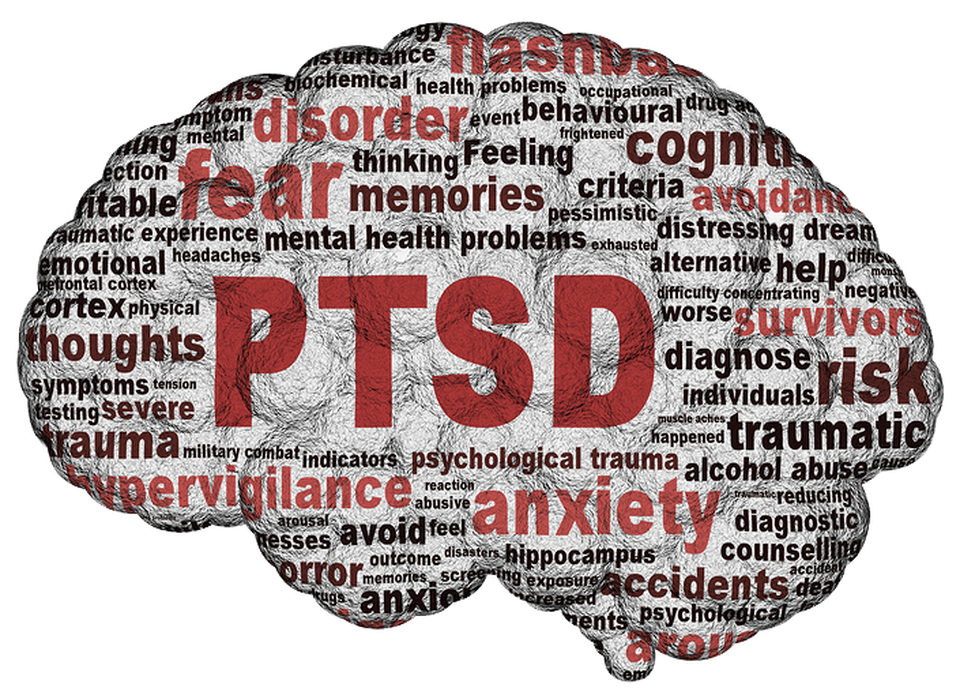
The Ugly Faces of Trauma: How Unresolved PTSD Can Affect Decision-Making and Risk-Taking
Trauma, particularly when left unprocessed, leaves profound imprints that extend far beyond the immediate moment of crisis. Post-Traumatic Stress Disorder (PTSD) is one of the most recognized outcomes of trauma, commonly associated with flashbacks, nightmares, or hyper-vigilance. Yet its influence is more insidious and widespread, reaching into some of the most fundamental aspects of human functioning: decision-making and risk-taking. These are not just psychological processes but critical life skills that shape careers, relationships, and overall well-being. When trauma remains unresolved, it distorts these processes in ways that can alter the trajectory of a person’s life.
The Neurobiology of Trauma and Decision-Making
At the root of PTSD lies the brain’s survival circuitry. During a traumatic event, the amygdala—our brain’s alarm system—becomes hyperactivated, while the prefrontal cortex, responsible for logic, reasoning, and executive decision-making, is suppressed. This evolutionary design helps ensure survival in moments of acute danger. However, in PTSD, this survival response becomes maladaptive and chronic.
The lingering hyperarousal of the amygdala means that the brain is persistently primed to detect threats, even when none exist. At the same time, the prefrontal cortex struggles to reassert control, reducing the individual’s capacity to evaluate situations rationally. Over time, this imbalance manifests as impaired judgment, difficulty assessing risks realistically, and a tendency toward either impulsive or excessively cautious decision-making. Everyday choices—from entering a new relationship to pursuing a career change—become fraught with anxiety, avoidance, or overcompensation.
The Psychology of Risk-Taking in PTSD
Risk-taking is an essential component of growth and adaptation. Yet for those with unresolved trauma, risk becomes distorted into extremes. On one end of the spectrum are individuals who engage in high-risk behaviors such as reckless driving, substance misuse, unsafe sexual practices, or financial gambling. These actions often serve as unconscious attempts to numb pain, regain a sense of control, or escape intrusive thoughts. They may also stem from a neurological craving for heightened stimulation as the traumatized brain seeks to override emotional numbness.
On the other end of the spectrum are those who retreat into rigid avoidance. These individuals may forgo opportunities, resist change, and avoid new relationships out of overwhelming fear that something will go wrong. Both extremes—reckless risk-taking and paralyzing avoidance—create barriers to personal development and long-term stability. Crucially, neither is truly about risk, but rather about coping with unresolved trauma.
The Ripple Effect on Families, Health, and Society
The consequences of PTSD-driven decision-making extend beyond the individual. Families often shoulder the burden of unpredictable behaviors, emotional withdrawal, or heightened conflict. Partners and children may feel the ripple effects of instability, eroding trust and security within the household. Over time, this can contribute to fractured family structures, cycles of intergenerational trauma, and decreased resilience in communities.
On a health level, unresolved PTSD is linked with comorbid conditions such as depression, anxiety, chronic pain, and substance use disorders. These conditions further complicate decision-making, creating a feedback loop in which unhealthy choices exacerbate both mental and physical symptoms. On a societal scale, unresolved trauma can fuel challenges such as poverty, unstable employment, increased healthcare costs, and community disconnection. In essence, untreated PTSD is not only a personal struggle but a public health concern.
Early Intervention: Rewiring the Brain and Breaking the Cycle
The hopeful reality is that PTSD, while deeply challenging, is treatable. Early intervention is critical because it prevents maladaptive decision-making patterns from becoming entrenched. Evidence-based therapies such as Cognitive Behavioral Therapy (CBT), Eye Movement Desensitization and Reprocessing (EMDR), and somatic experiencing have demonstrated strong effectiveness in helping individuals process trauma, reduce hyperarousal, and restore balance to the brain’s survival and reasoning systems.
Equally important is psychoeducation—helping individuals understand the biological and psychological mechanisms at play. When people learn that their impaired decision-making is not a moral failing but a neurological response to trauma, they can begin to reclaim agency over their choices. Developing coping strategies, building emotional regulation skills, and fostering resilience enable individuals to evaluate risks with greater clarity and confidence.
Redefining the Course of Life
Healing from trauma is not about erasing the past, but about reclaiming the present and reshaping the future. By addressing PTSD early, individuals can step away from destructive cycles of impulsivity or avoidance and toward a more intentional, empowered way of living. This shift has a profound ripple effect: healthier families, stronger communities, and ultimately, a society less burdened by the hidden costs of unresolved trauma.
Where to go from here, when PTSD affect rightful thought process and actions?
Unresolved PTSD carries many hidden faces—disrupted decision-making, distorted risk-taking, fractured relationships, and compromised health. Yet none of these outcomes are inevitable. By recognizing the subtle ways trauma shapes our choices, and by intervening early with effective therapeutic support, individuals can alter the trajectory of their lives. The journey from surviving to thriving is not simple, but it is entirely possible. With the right tools and guidance, the ugly faces of trauma can be transformed into stories of resilience, growth, and lasting happiness.
Learn More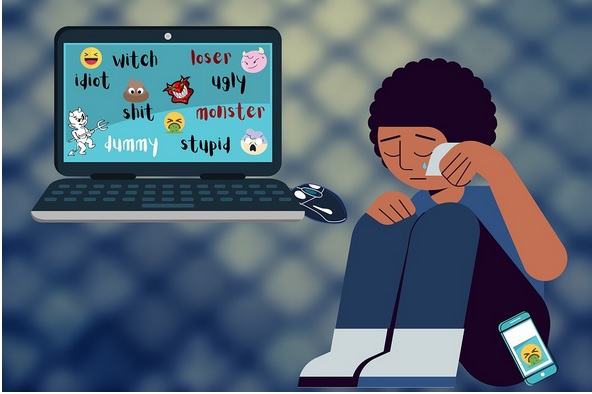
Effective strategies on how to discuss cyberbullying with your child/children to help keep them safe online. Psychological impact it can have on them if conversation is ignored or avoided.
The rapid rise of digital communication has led to an increase in cyberbullying, making it crucial for parents to discuss online safety with their children. According to a 2022 Pew Research Center study, 59% of U.S. teens report experiencing some form of cyberbullying. This article explores how to effectively communicate with children about cyberbullying, provide them with the necessary tools to stay safe online, and mitigate potential risks.
Understanding Cyberbullying
Cyberbullying is the use of digital platforms such as social media, messaging apps, and gaming forums to harass, threaten, or humiliate others. Common forms of cyberbullying include:
- Harassment: Sending repeated, offensive, or threatening messages.
- Doxxing: Publishing private information without consent.
- Exclusion: Intentionally leaving someone out of online groups or conversations.
- Impersonation: Creating fake accounts to mock or defame someone.
- Rumor Spreading: Sharing false or misleading information to damage a person’s reputation.
Cyberbullying differs from traditional bullying because it can occur anonymously and reach a wider audience, making it more challenging to combat.
Why Conversations About Cyberbullying Matter
Research indicates that open conversations between parents and children about online safety can reduce the likelihood of cyberbullying involvement. A study published in JAMA Pediatrics found that children who frequently discuss online behavior with their parents are less likely to engage in or become victims of cyberbullying. Effective communication helps:
- Build trust, ensuring children feel safe discussing online issues.
- Educate children about the consequences of cyberbullying.
- Encourage proactive steps in handling online harassment.
- Foster emotional resilience and critical thinking.
How to Approach the Conversation
1. Create a Safe and Open Environment
- Initiate discussions in a non-judgmental, supportive manner.
- Assure your child that they can share concerns without fear of punishment.
- Listen actively and validate their feelings.
2. Explain What Cyberbullying Is
- Use age-appropriate language and real-life examples.
- Discuss different types of cyberbullying and their consequences.
- Encourage children to reflect on how their online actions impact others.
3. Encourage Responsible Online Behavior
- Teach the importance of respectful communication and empathy.
- Reinforce the value of privacy settings and strong passwords.
- Guide them on identifying suspicious behavior online.
4. Recognizing the Signs of Cyberbullying
- Look for behavioral changes such as withdrawal, anxiety, or reluctance to use digital devices.
- Encourage children to speak up if they or their friends experience cyberbullying.
5. Equip Them with Coping Strategies
- Teach them to block, report, and disengage from bullies.
- Emphasize the importance of not retaliating, as it can escalate the situation.
- Encourage seeking support from trusted adults or school counselors.
6. Set Boundaries and Monitor Activity
- Establish clear guidelines for internet and social media use.
- Use parental controls while balancing trust and privacy.
- Regularly check in on their online experiences.
The Role of Schools and Law Enforcement
Schools play a crucial role in preventing and addressing cyberbullying. The National Center for Education Statistics (NCES) reports that 46% of public schools have policies in place to handle cyberbullying cases. Parents should:
- Familiarize themselves with school policies on digital harassment.
- Encourage children to report cyberbullying incidents to school officials.
- Collaborate with teachers and administrators to ensure a safe learning environment.
- Contact law enforcement if threats or harassment become severe.
Psychological Impact of Cyberbullying
Cyberbullying can lead to serious psychological effects, including:
- Anxiety and Depression: A 2021 study in Child and Adolescent Psychiatry and Mental Health found that victims of cyberbullying are more likely to develop anxiety and depressive symptoms.
- Low Self-Esteem: Persistent online harassment can lead to feelings of worthlessness.
- Academic Decline: Victims may struggle with concentration and school performance due to emotional distress.
- Suicidal Thoughts: Extreme cases of cyberbullying have been linked to increased suicidal ideation, as documented by research in the Journal of Adolescent Health.
Preventative Measures for Parents
To proactively prevent cyberbullying, parents should:
- Model positive online behavior: Demonstrate responsible internet use.
- Encourage digital literacy: Teach children how to verify information and recognize online risks.
- Create a family media plan: Set guidelines for appropriate screen time and online interactions.
- Stay informed: Keep up with the latest social media trends and potential online threats.
When to Seek Professional Help
If a child experiences severe emotional distress due to cyberbullying, professional intervention may be necessary. Signs that indicate the need for therapy or counseling include:
- Withdrawal from social activities and friendships.
- Sudden drop in academic performance.
- Drastic mood swings or increased irritability.
- Self-harm behaviors or suicidal thoughts.
Challenges ahead
Discussing cyberbullying with your child should be an ongoing conversation rather than a one-time discussion. By fostering open communication, teaching digital responsibility, and staying actively involved in their online lives, parents can create a safer digital environment for their children. With the right guidance and support, children can navigate the digital world confidently and securely.
