
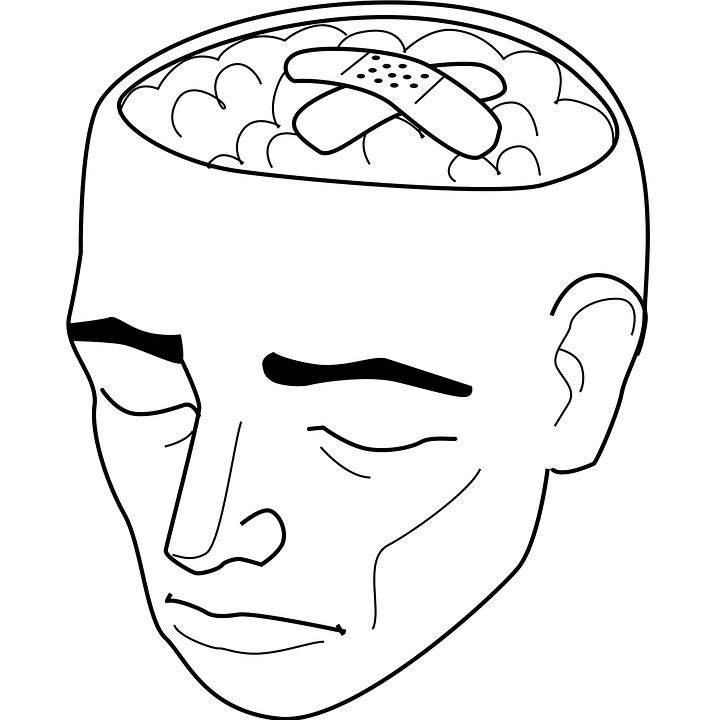
The many negative outcomes of untreated chronic depression: How can it affect your emotional memory and ways to recover them when it does happen: Strategies that can work!
Chronic depression is not simply a prolonged period of sadness; it is a complex condition that, when left untreated, can quietly reshape how a person thinks, feels, remembers, and experiences life. Over time, untreated depression affects emotional memory, distorts self-perception, and alters the brain’s natural ability to process emotions in a balanced way. The longer it persists, the more deeply it can influence behavior, relationships, and overall quality of life.
One of the most significant negative outcomes of untreated chronic depression is its impact on emotional memory. Emotional memory is the way the brain stores and retrieves experiences that carry emotional weight. In depression, the brain develops a strong bias toward negative emotional memories. Painful experiences, failures, losses, and moments of rejection are recalled more easily and with greater intensity than positive or neutral events. Meanwhile, memories associated with joy, success, or connection often fade, feel distant, or seem less meaningful. This imbalance reinforces the belief that life has always been painful and will remain that way, even when evidence suggests otherwise.
Over time, this negative filtering reshapes identity. Individuals may begin to define themselves through their lowest moments, believing that past struggles are proof of personal inadequacy rather than circumstances they survived. This distorted emotional memory can fuel hopelessness, making it difficult to imagine a future that feels different from the past. As a result, motivation declines, decision-making becomes impaired, and avoidance behaviors increase. People may withdraw socially, abandon goals, or stop engaging in activities that once brought fulfillment, further reinforcing depressive patterns.
Untreated chronic depression also affects emotional regulation. The brain becomes less flexible in responding to stress, leading to heightened emotional reactivity or emotional numbness. Small setbacks may feel overwhelming, while positive events fail to register fully. This emotional blunting is particularly damaging because it robs individuals of reinforcement that could otherwise support healing. Relationships often suffer as well, as depression can distort perceptions of others’ intentions, increase sensitivity to criticism, and reduce emotional availability.
Physiologically, prolonged depression is associated with changes in brain chemistry and neural pathways, particularly in areas involved in memory, mood regulation, and stress response. Elevated stress hormones over long periods can impair the brain’s ability to form new positive emotional memories, trapping individuals in a loop where the past feels heavier than the present. Sleep disturbances, fatigue, and cognitive fog further weaken resilience, making recovery feel even more out of reach.
Despite these challenges, emotional memory is not fixed. The brain remains capable of change, even after years of depression. Reversing the effects begins with recognizing that the depressive lens is not an accurate reflection of reality but a learned pattern shaped by untreated illness. Awareness alone can create distance between the individual and the negative narrative depression promotes.
One effective strategy involves intentionally rebuilding emotional memory through repeated positive experiences paired with conscious attention. Depression often prevents positive moments from being fully encoded in memory, so slowing down and deliberately acknowledging moments of safety, connection, or accomplishment helps the brain register them more deeply. Over time, this practice weakens the dominance of negative recall and strengthens emotional balance.
Therapeutic interventions play a critical role in reversing these patterns. Cognitive-based therapies help individuals identify distorted thinking linked to emotional memory and challenge beliefs rooted in past pain rather than present truth. Trauma-informed approaches can help process unresolved emotional experiences that continue to influence current reactions. Mindfulness-based practices train the brain to stay anchored in the present, reducing the tendency to relive emotionally charged memories that no longer serve a purpose.
Behavioral activation is another powerful tool. Even when motivation is low, engaging in meaningful or values-based activities can gradually reintroduce positive emotional input into the brain. These actions create new experiences that, with repetition, begin to reshape memory networks and emotional responses. Over time, the brain learns that effort can lead to reward, even if that reward initially feels muted.
Addressing chronic depression also requires attention to lifestyle factors that support brain health. Consistent sleep, physical movement, proper nutrition, and social connection all influence emotional regulation and memory processing. While these changes may seem simple, they directly support the brain’s ability to heal and adapt.
Most importantly, reversing the effects of untreated chronic depression requires compassion. Many individuals blame themselves for how long they have struggled, unaware that depression itself interferes with the ability to seek help or recognize alternatives. Healing does not mean erasing painful memories; it means integrating them without allowing them to dominate identity or future expectations.
When chronic depression is treated, emotional memory becomes more balanced. The past no longer defines the present, and the future feels open rather than predetermined by pain. With the right strategies, support, and persistence, the brain can relearn hope, restore emotional flexibility, and reconnect individuals with a sense of meaning and possibility that depression once obscured.
Learn More
The many ugly faces of trauma. How past traumatic events and circumstances can disrupt motivation and follow-through. Effective strategies to bypass these challenges
Trauma rarely announces itself in obvious ways. While many people associate trauma with extreme or catastrophic events, its influence often shows up quietly, embedded in everyday behaviors, thought patterns, and emotional reactions. One of the most overlooked impacts of trauma is how it disrupts motivation and follow-through. People may appear lazy, inconsistent, uncommitted, or self-sabotaging, when in reality they are navigating an internal nervous system shaped by past experiences that taught them it was safer not to try, not to hope, or not to fully engage.
Trauma reshapes the brain’s relationship with safety, effort, and reward. When someone has lived through chronic stress, neglect, abandonment, betrayal, or repeated failure, their nervous system learns to associate action with danger rather than opportunity. Motivation becomes complicated because taking initiative once led to pain, disappointment, or punishment. Follow-through becomes difficult because finishing something means exposure: to judgment, loss, visibility, or even success, which itself can feel unsafe if stability was never guaranteed. In this way, trauma doesn’t eliminate desire; it interrupts the bridge between intention and action.
One of trauma’s ugliest faces is avoidance disguised as rational thinking. The mind creates convincing explanations for procrastination, perfectionism, or disengagement, masking the deeper fear underneath. Another face is emotional exhaustion, where the body is perpetually braced for threat, leaving little energy for long-term goals. Trauma can also fragment focus, making it difficult to sustain attention or trust oneself to stay consistent. In many cases, people genuinely want change but feel internally blocked, as if pressing the gas while the brakes are still engaged.
Understanding this dynamic is the first step toward healing. Motivation cannot be forced in a system that feels unsafe. True progress begins by addressing regulation before discipline. Learning to calm the nervous system through grounding practices, breathwork, somatic awareness, or mindful pauses allows the body to experience action without alarm. When safety increases, motivation naturally follows. This is why small, low-risk actions are more effective than dramatic goal setting. Consistency at a manageable scale retrains the brain to associate movement with safety rather than threat.
Another powerful strategy is reframing follow-through as self-trust rather than performance. Trauma often erodes trust in oneself, especially when past efforts did not lead to protection or reward. Rebuilding follow-through means setting promises that are realistic and honoring them, even when they feel insignificant. Each kept commitment sends a message to the nervous system that effort no longer equals danger. Over time, this restores confidence not through positive thinking, but through lived evidence.
It is also essential to address the inner narratives formed during traumatic periods. Many people carry unconscious beliefs such as “Nothing I do will matter,” “I will fail anyway,” or “Success will cost me connection.” These beliefs quietly sabotage motivation. Challenging them requires compassion rather than confrontation. When individuals learn to observe these thoughts without identifying with them, they create space for new patterns to emerge. Therapy, coaching, journaling, and reflective practices can help untangle these narratives and replace them with grounded, realistic perspectives.
Ultimately, bypassing trauma-related motivation blocks is not about pushing harder; it is about moving smarter and kinder. Healing does not mean erasing the past, but learning how to act in the present without being governed by old survival strategies. When people understand that their struggle with follow-through is not a character flaw but a nervous system response, shame loosens its grip. In that space, motivation becomes less about willpower and more about alignment. Progress then unfolds not through force, but through patience, safety, and self-respect.
Learn More
The Ugly Faces of Trauma: How Unresolved PTSD Can Affect Decision-Making and Risk-Taking
Trauma, particularly when left unprocessed, leaves profound imprints that extend far beyond the immediate moment of crisis. Post-Traumatic Stress Disorder (PTSD) is one of the most recognized outcomes of trauma, commonly associated with flashbacks, nightmares, or hyper-vigilance. Yet its influence is more insidious and widespread, reaching into some of the most fundamental aspects of human functioning: decision-making and risk-taking. These are not just psychological processes but critical life skills that shape careers, relationships, and overall well-being. When trauma remains unresolved, it distorts these processes in ways that can alter the trajectory of a person’s life.
The Neurobiology of Trauma and Decision-Making
At the root of PTSD lies the brain’s survival circuitry. During a traumatic event, the amygdala—our brain’s alarm system—becomes hyperactivated, while the prefrontal cortex, responsible for logic, reasoning, and executive decision-making, is suppressed. This evolutionary design helps ensure survival in moments of acute danger. However, in PTSD, this survival response becomes maladaptive and chronic.
The lingering hyperarousal of the amygdala means that the brain is persistently primed to detect threats, even when none exist. At the same time, the prefrontal cortex struggles to reassert control, reducing the individual’s capacity to evaluate situations rationally. Over time, this imbalance manifests as impaired judgment, difficulty assessing risks realistically, and a tendency toward either impulsive or excessively cautious decision-making. Everyday choices—from entering a new relationship to pursuing a career change—become fraught with anxiety, avoidance, or overcompensation.
The Psychology of Risk-Taking in PTSD
Risk-taking is an essential component of growth and adaptation. Yet for those with unresolved trauma, risk becomes distorted into extremes. On one end of the spectrum are individuals who engage in high-risk behaviors such as reckless driving, substance misuse, unsafe sexual practices, or financial gambling. These actions often serve as unconscious attempts to numb pain, regain a sense of control, or escape intrusive thoughts. They may also stem from a neurological craving for heightened stimulation as the traumatized brain seeks to override emotional numbness.
On the other end of the spectrum are those who retreat into rigid avoidance. These individuals may forgo opportunities, resist change, and avoid new relationships out of overwhelming fear that something will go wrong. Both extremes—reckless risk-taking and paralyzing avoidance—create barriers to personal development and long-term stability. Crucially, neither is truly about risk, but rather about coping with unresolved trauma.
The Ripple Effect on Families, Health, and Society
The consequences of PTSD-driven decision-making extend beyond the individual. Families often shoulder the burden of unpredictable behaviors, emotional withdrawal, or heightened conflict. Partners and children may feel the ripple effects of instability, eroding trust and security within the household. Over time, this can contribute to fractured family structures, cycles of intergenerational trauma, and decreased resilience in communities.
On a health level, unresolved PTSD is linked with comorbid conditions such as depression, anxiety, chronic pain, and substance use disorders. These conditions further complicate decision-making, creating a feedback loop in which unhealthy choices exacerbate both mental and physical symptoms. On a societal scale, unresolved trauma can fuel challenges such as poverty, unstable employment, increased healthcare costs, and community disconnection. In essence, untreated PTSD is not only a personal struggle but a public health concern.
Early Intervention: Rewiring the Brain and Breaking the Cycle
The hopeful reality is that PTSD, while deeply challenging, is treatable. Early intervention is critical because it prevents maladaptive decision-making patterns from becoming entrenched. Evidence-based therapies such as Cognitive Behavioral Therapy (CBT), Eye Movement Desensitization and Reprocessing (EMDR), and somatic experiencing have demonstrated strong effectiveness in helping individuals process trauma, reduce hyperarousal, and restore balance to the brain’s survival and reasoning systems.
Equally important is psychoeducation—helping individuals understand the biological and psychological mechanisms at play. When people learn that their impaired decision-making is not a moral failing but a neurological response to trauma, they can begin to reclaim agency over their choices. Developing coping strategies, building emotional regulation skills, and fostering resilience enable individuals to evaluate risks with greater clarity and confidence.
Redefining the Course of Life
Healing from trauma is not about erasing the past, but about reclaiming the present and reshaping the future. By addressing PTSD early, individuals can step away from destructive cycles of impulsivity or avoidance and toward a more intentional, empowered way of living. This shift has a profound ripple effect: healthier families, stronger communities, and ultimately, a society less burdened by the hidden costs of unresolved trauma.
Where to go from here, when PTSD affect rightful thought process and actions?
Unresolved PTSD carries many hidden faces—disrupted decision-making, distorted risk-taking, fractured relationships, and compromised health. Yet none of these outcomes are inevitable. By recognizing the subtle ways trauma shapes our choices, and by intervening early with effective therapeutic support, individuals can alter the trajectory of their lives. The journey from surviving to thriving is not simple, but it is entirely possible. With the right tools and guidance, the ugly faces of trauma can be transformed into stories of resilience, growth, and lasting happiness.
Learn More