
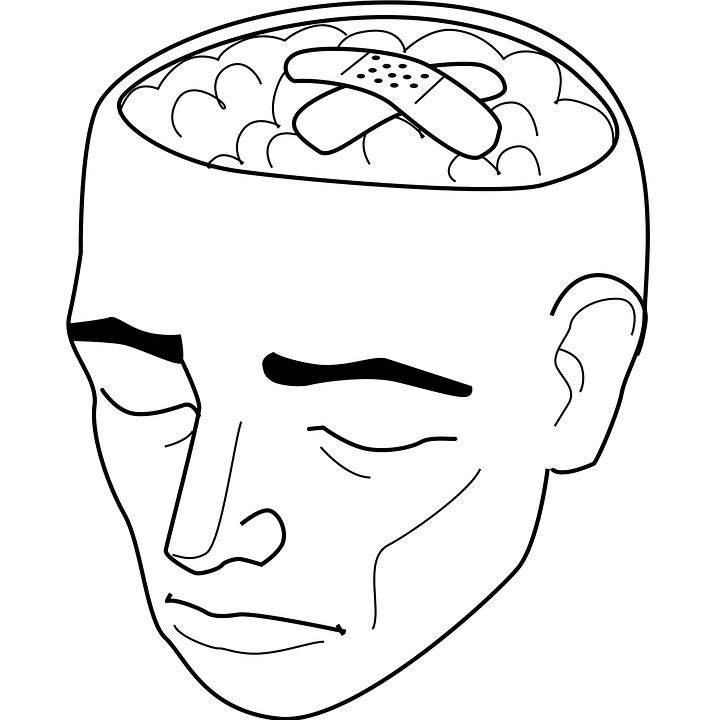
The many negative outcomes of untreated chronic depression: How can it affect your emotional memory and ways to recover them when it does happen: Strategies that can work!
Chronic depression is not simply a prolonged period of sadness; it is a complex condition that, when left untreated, can quietly reshape how a person thinks, feels, remembers, and experiences life. Over time, untreated depression affects emotional memory, distorts self-perception, and alters the brain’s natural ability to process emotions in a balanced way. The longer it persists, the more deeply it can influence behavior, relationships, and overall quality of life.
One of the most significant negative outcomes of untreated chronic depression is its impact on emotional memory. Emotional memory is the way the brain stores and retrieves experiences that carry emotional weight. In depression, the brain develops a strong bias toward negative emotional memories. Painful experiences, failures, losses, and moments of rejection are recalled more easily and with greater intensity than positive or neutral events. Meanwhile, memories associated with joy, success, or connection often fade, feel distant, or seem less meaningful. This imbalance reinforces the belief that life has always been painful and will remain that way, even when evidence suggests otherwise.
Over time, this negative filtering reshapes identity. Individuals may begin to define themselves through their lowest moments, believing that past struggles are proof of personal inadequacy rather than circumstances they survived. This distorted emotional memory can fuel hopelessness, making it difficult to imagine a future that feels different from the past. As a result, motivation declines, decision-making becomes impaired, and avoidance behaviors increase. People may withdraw socially, abandon goals, or stop engaging in activities that once brought fulfillment, further reinforcing depressive patterns.
Untreated chronic depression also affects emotional regulation. The brain becomes less flexible in responding to stress, leading to heightened emotional reactivity or emotional numbness. Small setbacks may feel overwhelming, while positive events fail to register fully. This emotional blunting is particularly damaging because it robs individuals of reinforcement that could otherwise support healing. Relationships often suffer as well, as depression can distort perceptions of others’ intentions, increase sensitivity to criticism, and reduce emotional availability.
Physiologically, prolonged depression is associated with changes in brain chemistry and neural pathways, particularly in areas involved in memory, mood regulation, and stress response. Elevated stress hormones over long periods can impair the brain’s ability to form new positive emotional memories, trapping individuals in a loop where the past feels heavier than the present. Sleep disturbances, fatigue, and cognitive fog further weaken resilience, making recovery feel even more out of reach.
Despite these challenges, emotional memory is not fixed. The brain remains capable of change, even after years of depression. Reversing the effects begins with recognizing that the depressive lens is not an accurate reflection of reality but a learned pattern shaped by untreated illness. Awareness alone can create distance between the individual and the negative narrative depression promotes.
One effective strategy involves intentionally rebuilding emotional memory through repeated positive experiences paired with conscious attention. Depression often prevents positive moments from being fully encoded in memory, so slowing down and deliberately acknowledging moments of safety, connection, or accomplishment helps the brain register them more deeply. Over time, this practice weakens the dominance of negative recall and strengthens emotional balance.
Therapeutic interventions play a critical role in reversing these patterns. Cognitive-based therapies help individuals identify distorted thinking linked to emotional memory and challenge beliefs rooted in past pain rather than present truth. Trauma-informed approaches can help process unresolved emotional experiences that continue to influence current reactions. Mindfulness-based practices train the brain to stay anchored in the present, reducing the tendency to relive emotionally charged memories that no longer serve a purpose.
Behavioral activation is another powerful tool. Even when motivation is low, engaging in meaningful or values-based activities can gradually reintroduce positive emotional input into the brain. These actions create new experiences that, with repetition, begin to reshape memory networks and emotional responses. Over time, the brain learns that effort can lead to reward, even if that reward initially feels muted.
Addressing chronic depression also requires attention to lifestyle factors that support brain health. Consistent sleep, physical movement, proper nutrition, and social connection all influence emotional regulation and memory processing. While these changes may seem simple, they directly support the brain’s ability to heal and adapt.
Most importantly, reversing the effects of untreated chronic depression requires compassion. Many individuals blame themselves for how long they have struggled, unaware that depression itself interferes with the ability to seek help or recognize alternatives. Healing does not mean erasing painful memories; it means integrating them without allowing them to dominate identity or future expectations.
When chronic depression is treated, emotional memory becomes more balanced. The past no longer defines the present, and the future feels open rather than predetermined by pain. With the right strategies, support, and persistence, the brain can relearn hope, restore emotional flexibility, and reconnect individuals with a sense of meaning and possibility that depression once obscured.

dr.dan
Related Posts

Breaking the Silence: Depression in Men and the Role of Cognitive Behavioral Psychotherapy to assist them into better mental health
Depression is often perceived as a condition that affects women more than men....

The many ways that depression influences sleep patterns: From insomnia to hypersomnia (not always symptom of narcolepsy).
Depression can significantly influence your daily sleep in various ways....

The many ugly faces of depression: What should you expect when experiencing Anhedonia and the many symptoms, causes and treatment that are available when dealing with it.
Anhedonia is closely associated with depression and is often considered a...
The Side Effect of Depression: How Isolation Exacerbates the Pain—And How Therapy Can Guide You Out of the Vortex
Depression is not just a mood—it’s a powerful force that can alter how we...