
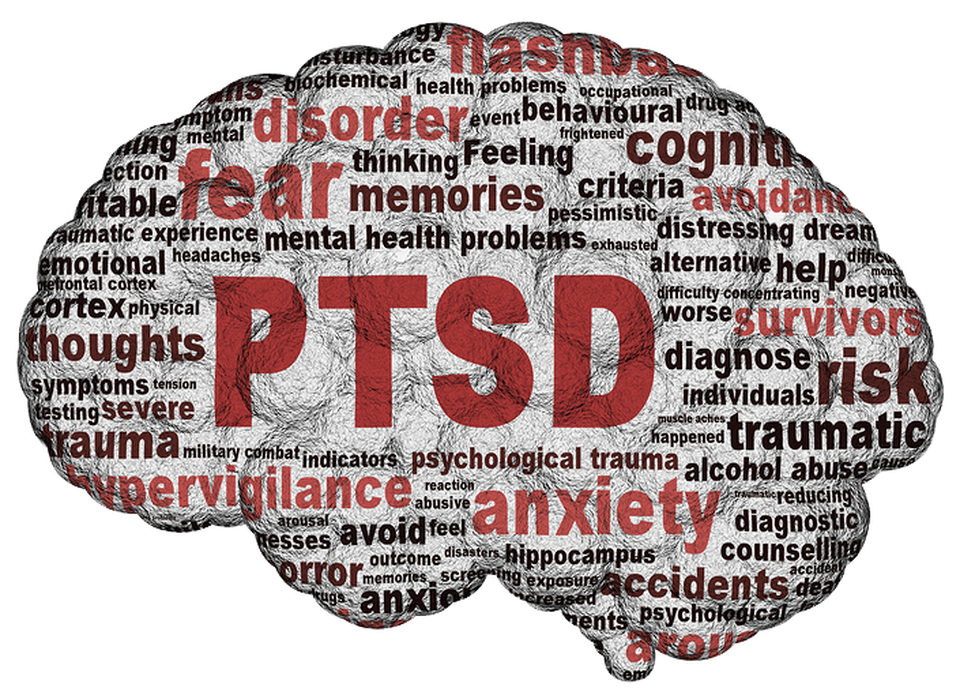
The Ugly Faces of Trauma: How Unresolved PTSD Can Affect Decision-Making and Risk-Taking
Trauma, particularly when left unprocessed, leaves profound imprints that extend far beyond the immediate moment of crisis. Post-Traumatic Stress Disorder (PTSD) is one of the most recognized outcomes of trauma, commonly associated with flashbacks, nightmares, or hyper-vigilance. Yet its influence is more insidious and widespread, reaching into some of the most fundamental aspects of human functioning: decision-making and risk-taking. These are not just psychological processes but critical life skills that shape careers, relationships, and overall well-being. When trauma remains unresolved, it distorts these processes in ways that can alter the trajectory of a person’s life.
The Neurobiology of Trauma and Decision-Making
At the root of PTSD lies the brain’s survival circuitry. During a traumatic event, the amygdala—our brain’s alarm system—becomes hyperactivated, while the prefrontal cortex, responsible for logic, reasoning, and executive decision-making, is suppressed. This evolutionary design helps ensure survival in moments of acute danger. However, in PTSD, this survival response becomes maladaptive and chronic.
The lingering hyperarousal of the amygdala means that the brain is persistently primed to detect threats, even when none exist. At the same time, the prefrontal cortex struggles to reassert control, reducing the individual’s capacity to evaluate situations rationally. Over time, this imbalance manifests as impaired judgment, difficulty assessing risks realistically, and a tendency toward either impulsive or excessively cautious decision-making. Everyday choices—from entering a new relationship to pursuing a career change—become fraught with anxiety, avoidance, or overcompensation.
The Psychology of Risk-Taking in PTSD
Risk-taking is an essential component of growth and adaptation. Yet for those with unresolved trauma, risk becomes distorted into extremes. On one end of the spectrum are individuals who engage in high-risk behaviors such as reckless driving, substance misuse, unsafe sexual practices, or financial gambling. These actions often serve as unconscious attempts to numb pain, regain a sense of control, or escape intrusive thoughts. They may also stem from a neurological craving for heightened stimulation as the traumatized brain seeks to override emotional numbness.
On the other end of the spectrum are those who retreat into rigid avoidance. These individuals may forgo opportunities, resist change, and avoid new relationships out of overwhelming fear that something will go wrong. Both extremes—reckless risk-taking and paralyzing avoidance—create barriers to personal development and long-term stability. Crucially, neither is truly about risk, but rather about coping with unresolved trauma.
The Ripple Effect on Families, Health, and Society
The consequences of PTSD-driven decision-making extend beyond the individual. Families often shoulder the burden of unpredictable behaviors, emotional withdrawal, or heightened conflict. Partners and children may feel the ripple effects of instability, eroding trust and security within the household. Over time, this can contribute to fractured family structures, cycles of intergenerational trauma, and decreased resilience in communities.
On a health level, unresolved PTSD is linked with comorbid conditions such as depression, anxiety, chronic pain, and substance use disorders. These conditions further complicate decision-making, creating a feedback loop in which unhealthy choices exacerbate both mental and physical symptoms. On a societal scale, unresolved trauma can fuel challenges such as poverty, unstable employment, increased healthcare costs, and community disconnection. In essence, untreated PTSD is not only a personal struggle but a public health concern.
Early Intervention: Rewiring the Brain and Breaking the Cycle
The hopeful reality is that PTSD, while deeply challenging, is treatable. Early intervention is critical because it prevents maladaptive decision-making patterns from becoming entrenched. Evidence-based therapies such as Cognitive Behavioral Therapy (CBT), Eye Movement Desensitization and Reprocessing (EMDR), and somatic experiencing have demonstrated strong effectiveness in helping individuals process trauma, reduce hyperarousal, and restore balance to the brain’s survival and reasoning systems.
Equally important is psychoeducation—helping individuals understand the biological and psychological mechanisms at play. When people learn that their impaired decision-making is not a moral failing but a neurological response to trauma, they can begin to reclaim agency over their choices. Developing coping strategies, building emotional regulation skills, and fostering resilience enable individuals to evaluate risks with greater clarity and confidence.
Redefining the Course of Life
Healing from trauma is not about erasing the past, but about reclaiming the present and reshaping the future. By addressing PTSD early, individuals can step away from destructive cycles of impulsivity or avoidance and toward a more intentional, empowered way of living. This shift has a profound ripple effect: healthier families, stronger communities, and ultimately, a society less burdened by the hidden costs of unresolved trauma.
Where to go from here, when PTSD affect rightful thought process and actions?
Unresolved PTSD carries many hidden faces—disrupted decision-making, distorted risk-taking, fractured relationships, and compromised health. Yet none of these outcomes are inevitable. By recognizing the subtle ways trauma shapes our choices, and by intervening early with effective therapeutic support, individuals can alter the trajectory of their lives. The journey from surviving to thriving is not simple, but it is entirely possible. With the right tools and guidance, the ugly faces of trauma can be transformed into stories of resilience, growth, and lasting happiness.

dr.dan
Related Posts

Discover yourself through various opportunities to attain professional success by managing episodes of anxiety through positive rituals and healthy long term habits.
In the journey toward your professional aspirations, it's important to...

The Unseen Struggles of Anxiety: Understanding Intrusive Thoughts and How to Overcome Them
Anxiety is a common mental health condition that affects millions of people...

The dangers of FOMO (Fears Of Missing Out). How to not fall into that trap and find happiness in life.
If you all recall the events that transpired during the peak of the pandemic in...

The Many Benefits of Creative Hobbies: The Long-Term Solution to Trauma Recovery
When people experience trauma, the aftermath often lingers long after the...