
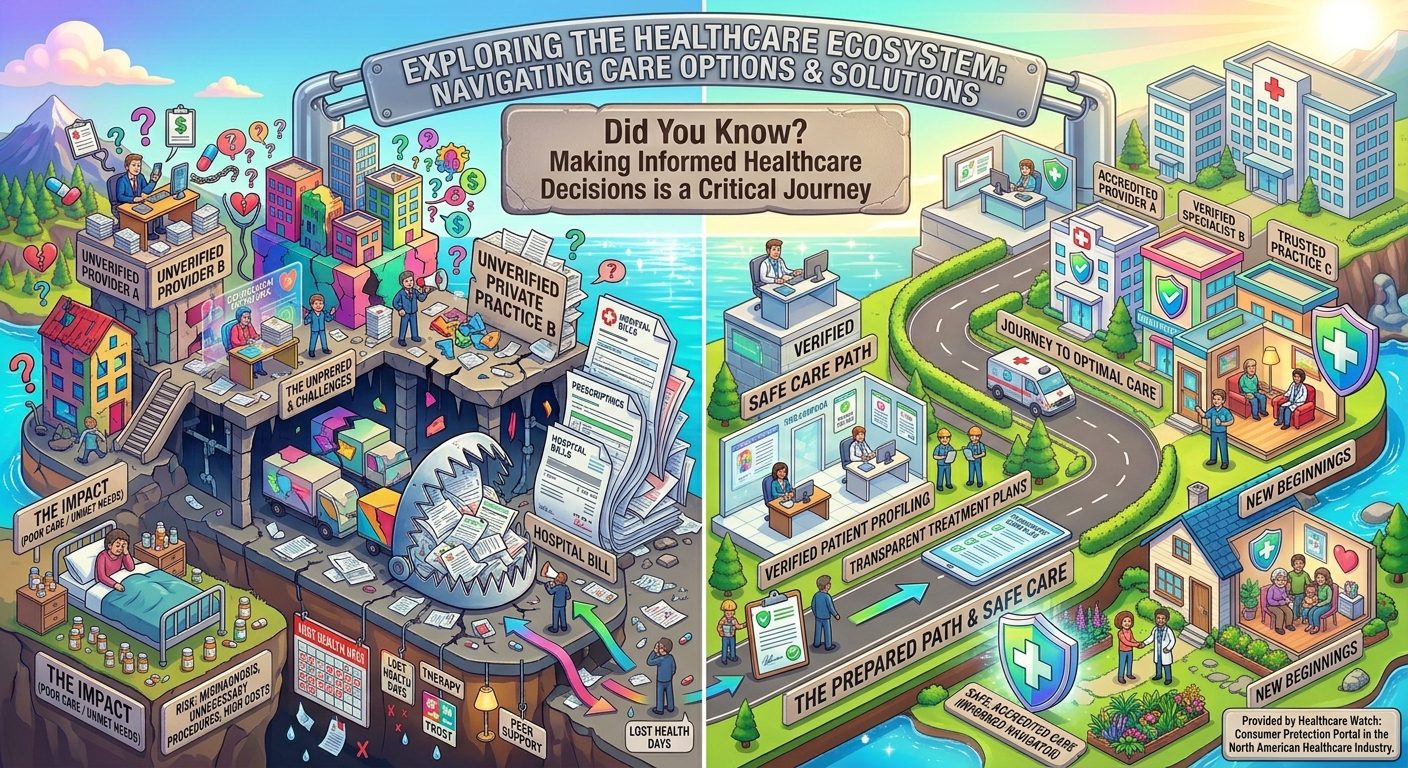
Understanding and overcoming medical trauma: Rebuilding trust in the healthcare system after medical errors and adverse experiences
Most people enter a hospital, surgical center, or medical office believing they are placing their health and safety in the hands of trained professionals. We trust doctors to diagnose accurately, surgeons to perform procedures safely, and healthcare institutions to prioritize our well-being. We expect compassion, transparency, and accountability when something goes wrong.
Unfortunately, not every medical experience ends with healing. Medical errors, surgical complications, misdiagnoses, delayed diagnoses, inadequate communication, and dismissive treatment can leave patients with consequences that extend far beyond their physical injuries.
For some individuals, these experiences can become deeply traumatic, resulting in anxiety, depression, post-traumatic stress symptoms, and an overwhelming fear of seeking future medical care. The emotional damage can be particularly difficult when patients feel that the very professionals responsible for helping them have failed them, dismissed their concerns, or refused to acknowledge their mistakes.
Understanding medical trauma requires looking beyond the physical consequences of medical errors. It also means examining the less-discussed side of healthcare: institutional defensiveness, inadequate transparency, financial interests, and the lack of meaningful accountability that patients may encounter.
The hidden psychological impact of medical trauma
Medical trauma is an often-overlooked consequence of negative healthcare experiences. While medical professionals understandably concentrate on physical recovery, patients may be left struggling with emotional wounds that are not immediately visible.
Consider someone who undergoes surgery expecting improvement but instead experiences a serious complication. Perhaps their symptoms were dismissed before surgery, their concerns were not adequately addressed, or they later discovered that important information had not been communicated.
Even after the physical injury has healed, the psychological effects may remain.
For some patients, returning to a hospital can trigger memories of the original experience. A routine medical appointment may create overwhelming anxiety, while the thought of undergoing another surgical procedure can produce genuine fear. Others may become suspicious of medical recommendations, question every diagnosis, or avoid healthcare facilities altogether.
These reactions can include panic attacks, sleep disturbances, intrusive memories, heightened vigilance, depression, and feelings of helplessness or betrayal. In some circumstances, a traumatic medical experience may contribute to post-traumatic stress disorder (PTSD). Although not everyone who experiences a medical error develops PTSD, the emotional consequences should never be minimized.
Perhaps one of the most concerning outcomes is when patients begin avoiding necessary medical treatment because they are afraid of experiencing the same trauma again. When fear becomes a barrier to healthcare, the original experience can continue affecting a person’s health long after the incident itself.
The dark side of the medical industry: When accountability falls short
Healthcare professionals perform demanding work under enormous pressure, and many dedicate their careers to helping others. However, recognizing their contributions should not mean overlooking institutional failures or excusing preventable harm.
Medical errors are a serious patient-safety concern. Yet, when something goes wrong, patients and families may encounter significant barriers to obtaining clear answers. They may struggle to obtain complete medical records, receive vague explanations about complications, or feel that their concerns are being dismissed rather than investigated.
In some circumstances, healthcare institutions may appear more concerned with protecting their reputation, limiting legal exposure, or managing financial consequences than providing patients with the transparency they deserve.
This creates an additional layer of emotional trauma. Imagine discovering that something went wrong during a medical procedure, only to feel that nobody is willing to explain what happened. The uncertainty, frustration, and sense of powerlessness can become almost as distressing as the original medical experience.
It is important to recognize that not every complication represents negligence. Medicine involves uncertainty, and even carefully performed procedures can produce unexpected outcomes. However, patients deserve honest explanations, appropriate investigations, and meaningful opportunities to have their concerns addressed.
Accountability should not be viewed as an attack on healthcare professionals. It should be considered an essential part of improving patient safety and preventing similar incidents from happening to others.
Financial interests and the patient’s place in the healthcare system
Another uncomfortable reality is that healthcare operates within a substantial economic industry. Hospitals, insurance companies, pharmaceutical manufacturers, medical-device companies, and private healthcare organizations function within complicated financial structures.
Although financial considerations are an unavoidable part of modern healthcare, they can sometimes create conflicts with patient-centered decision-making.
Patients may encounter insurance restrictions, unexpected medical bills, pressure to make treatment decisions quickly, or difficulties obtaining coverage for recommended procedures. Others may feel that their concerns are being handled as administrative inconveniences rather than legitimate healthcare needs.
These experiences can reinforce the perception that financial considerations sometimes receive more attention than individual patient well-being.
Patients should never feel that they are navigating a business transaction when seeking medical treatment. Transparency regarding treatment options, financial obligations, potential risks, and alternative approaches is fundamental to informed consent and patient autonomy.
Ultimately, healthcare must remain centered on the person receiving treatment, not simply the financial or institutional interests surrounding that treatment.
Rebuilding trust after a traumatic medical experience
Rebuilding trust after medical trauma is not always easy. For someone who has experienced a serious medical complication or believes they were mistreated, simply being told to trust another doctor may feel dismissive.
The process begins with acknowledging what happened and recognizing that the emotional response is valid. Patients should not feel embarrassed about being afraid, asking difficult questions, or needing additional reassurance before agreeing to another procedure.
Seeking support from a licensed mental health professional experienced in trauma can be an important part of recovery. Trauma-focused cognitive behavioral therapy and eye movement desensitization and reprocessing (EMDR), when clinically appropriate, may help individuals process distressing experiences and reduce the emotional burden associated with them.
Patients can also regain a sense of control by becoming more involved in their healthcare decisions. Requesting copies of medical records, obtaining independent second opinions, researching treatment options, and asking physicians to explain the potential benefits and risks of recommended procedures can help restore confidence.
For major medical decisions, bringing a trusted family member or friend to appointments can provide additional emotional support. Having another person present can help document conversations, remember important information, and ensure that questions are addressed.
Most importantly, patients should understand that rebuilding trust does not mean ignoring previous experiences or blindly accepting every medical recommendation. It means learning how to advocate for their health while remaining open to appropriate medical treatment.
Avoiding necessary healthcare indefinitely can create additional risks. Patients who find themselves postponing essential treatment because of previous trauma should consider discussing those fears with a compassionate healthcare professional who is willing to respect their concerns and work at a comfortable pace.
What healthcare institutions must do to restore public trust
The responsibility for rebuilding trust should not fall entirely on patients. Healthcare institutions must recognize that patient safety involves more than technical medical competence. It also requires communication, transparency, empathy, and accountability.
Hospitals and medical practices should establish meaningful procedures for investigating adverse events, communicating honestly with patients, addressing legitimate complaints, and implementing changes that prevent similar failures.
Medical professionals must also recognize that dismissing a patient’s concerns can compound psychological harm. A patient who feels heard, respected, and included in medical decisions is more likely to feel secure navigating future treatment.
Institutions should encourage a culture in which reporting mistakes and acknowledging failures are viewed as opportunities for improvement rather than simply threats to reputation. Accountability should be an essential component of quality healthcare, not something patients must fight to obtain.
In lame terms, patients deserve healing, respect, and accountability
Medical trauma can fundamentally change the way people view healthcare. An experience that was supposed to restore health may instead leave someone feeling frightened, betrayed, and reluctant to seek treatment again.
Rebuilding trust is possible, but it requires more than telling patients to have faith in the medical system. It requires healthcare professionals who listen, institutions that acknowledge mistakes, transparent investigations, and meaningful accountability when standards of care are not met.
Most importantly, patients must understand that they are not powerless. They have the right to ask questions, seek second opinions, request medical records, explore alternatives, and advocate for their own well-being.
Trust should never be demanded simply because someone holds a medical degree or works within a respected healthcare institution. Trust must be earned through competence, honesty, compassion, and accountability.
The ultimate purpose of healthcare should be to protect human life, improve quality of life, and treat patients with dignity. When that responsibility is compromised, the physical consequences deserve attention, but so do the emotional scars left behind.
Healing should never require patients to remain silent about what happened to them. Their experiences deserve to be heard, their concerns deserve to be taken seriously, and their right to safe, respectful, and accountable healthcare should never be compromised.

dr.dan
Related Posts

Staying on the Mental Edge: How a “Threat-Focused” brain keeps you wired—stressed, anxious and what to do about it. Some strategies that can work!
Have you ever felt like your mind is always on high alert, scanning for...
Stuck in survival: How trauma disconnects you from feeling safe inside. Strategies to regain control and feel at peace.
When a person experiences trauma, the mind does not simply remember the event as...

Understanding and overcoming medical trauma: Rebuilding trust in the healthcare system after medical errors and adverse experiences
Most people enter a hospital, surgical center, or medical office believing they...

Trauma and Validation: Understanding How Past Emotional Wounds Create a Subconscious Need to Overexplain, Defend, and Justify Your Behavior to Others
Human beings naturally seek understanding, acceptance, and connection. We all...