

Why do some people live to eat while others, eat to live? The intricacies of food addiction.

There are many food lovers out there enjoying a good meal with friends, appreciating the culinary delicacies that Michelin type restaurants offers while charging exuberant fees for their 1/4 ounce steak and slice of potatoe. However, others would prefer a one dollar meal at the local Mc Donalds and feel satisfied without breaking the bank. The live to eat vs eat to live has become and obsession and while many do their best to keep a healthy lifestyle, some may take it to the extreme and fall under the spell of binge eating and morbid obesity.
So why are some so prone to become addicted to food? Plenty of eating disorders are plaguing our country and many will find comfort in food during moment of crisis while others will find food to be repugnant. Are our brains wired differently? Is Anorexia or Bulimia Nevrosa happens to particular people in our society vs those who do not mind distorting their bodies when gaining a considerable amount of weight.
Let’s first begin with food addiction.
Food addiction can develop for a variety of reasons, including biological, psychological, and environmental factors. Here are some of the possible ways food addiction can start:
- Genetics: Studies have shown that genetics can play a role in the development of addiction, including food addiction. Some people may have a genetic predisposition to addiction, making them more susceptible to developing an addiction to food.
- Brain chemistry: Certain foods can trigger the release of dopamine, a neurotransmitter that makes us feel good. Over time, our brains can become addicted to this dopamine release, leading to cravings and compulsive eating.
- Emotional factors: Some people may use food as a coping mechanism to deal with negative emotions such as stress, anxiety, or depression. Over time, this can lead to a pattern of using food to self-soothe, which can turn into an addiction.
- Environmental factors: Our environment can also play a role in the development of food addiction. For example, easy access to high-calorie, high-fat foods can make it harder to resist temptation and can contribute to the development of addiction.
- Dieting: Ironically, dieting can sometimes lead to food addiction. Restrictive diets can create a cycle of deprivation and binge-eating, which can lead to an addiction to food.
The difference between those who live to eat and those who eat to live can be attributed to a combination of biological, psychological, and cultural factors.
Biologically, some people may have a higher sensitivity to the taste and texture of food, making the experience of eating more pleasurable for them. They may also have a more active appetite regulation system, which can lead to stronger cravings for food.
Psychologically, some people may use food as a source of comfort or emotional regulation. They may eat in response to stress, anxiety, or other negative emotions, which can create a pattern of using food as a coping mechanism.
Culturally, food can play a central role in socializing and celebrations. In some cultures, food is seen as a way to connect with others and share experiences. This can create a strong emotional attachment to food and make it more difficult to resist cravings.
On the other hand, some people may view food purely as a source of sustenance and have less emotional attachment to it. They may be more focused on eating healthy foods to fuel their bodies and maintain their health.
It’s important to note that there is no right or wrong way to approach food. However, it’s important to maintain a healthy relationship with food and avoid using it as a coping mechanism or source of emotional regulation.
Overall, food addiction is a complex condition that can have multiple contributing factors. If you suspect that you or someone you know may be struggling with food addiction, it’s important to seek professional help. There is always a way to reverse addiction by replacing old bad habits with healthy ones. Yes, it will take some time, hard work and determination to make the necessary changes needed to live a healthier life. Remember, no one will make these mindset changes as it is your life, so take the latter by the horn and get active so you can live a long and prosper life.
Learn More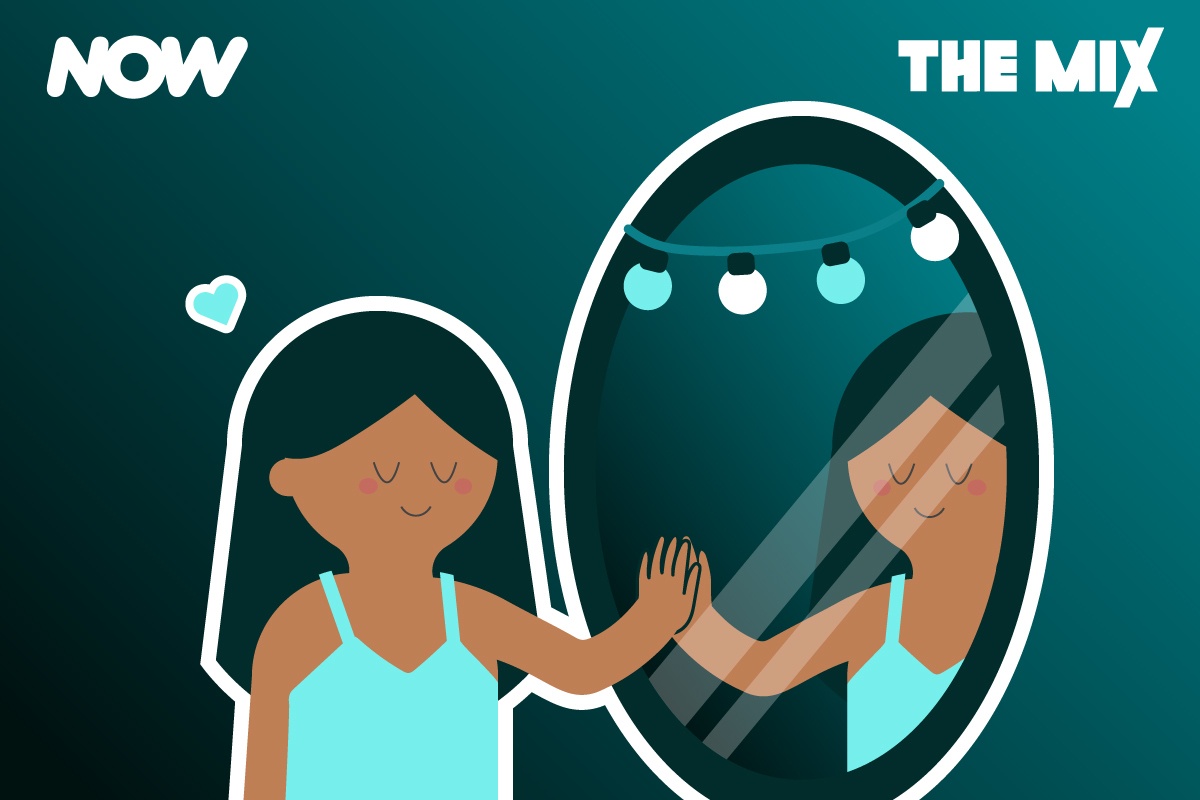
Here are some simple approach to overcome low Self-Esteem, also called Them-esteem.
The word esteem comes from latin, mean Estimate, allowing others to estimate your value. So, in my opinion, there is no LOW self-esteem, but more about them esteem. By giving the power to others to give you some value, you stripe away yourself the power you have been given and let others decide your fate. By deciding the latter, you no longer can elevate your values and accomplishments because there is no longer anything left to esteem yourself.
Do not think you are the ONLY victim feeling or experiencing the same similar treatment, but it is a very common issue share by billion of humans on Earth. Self-esteem, or LOW self esteem as most would call it is primarily based on past traumatic experiences that allowed changes in how you perceive yourself short and long term. Regardless of what you have accomplished in the past, you solely focus on the present value others have given you, and they are mostly toxic values.
You can’t allow anyone or anything to let your self-esteem take a beating just because you esteem them higher than how they esteem you. This article is to provide you with the tools you need to change your internal perspective, to focus more on how you look at yourself and the value you give TO yourself, without any external evaluation from others upon you. Always remember that others will project their own insecurities on you, just because you became a threat to their own esteem and they are too anxious to deal with these challenges on their own.
As we are all aware of the different types of personalities we experience daily, some may say that introverted personalities are dealing with low self esteem compared to extrovert, or Type A personalities. Extroverted personalities can also have an esteem imbalance, while the introvert can feel extremely satisfied with their lives and accomplishments.
Let’s get more into the ways you can manage some esteem imbalances. There is NO such things as low self esteem, but more on how you can balance the power you give to others to make you feel better, happier and more fulfilled.

1. Quit faking in order to impress others.
It’s important to remember that your self-esteem comes from within, and it cannot be boosted by pretending to please other people. In fact, constantly pretending to please others can do more harm than good in the long run.
It’s understandable to want to make others happy and feel accepted, but when you prioritize their needs and desires over your own, you’re not being true to yourself. This can create a sense of inner conflict and leave you feeling unfulfilled and disconnected from your own wants and needs.
Furthermore, it’s impossible to please everyone. We all have different expectations, needs, and desires, and trying to meet them all is an impossible task. This can lead to a sense of disappointment and failure, which can further damage your self-esteem.

2. Develop the ability to say “NO” to others. They will respect you more.
Saying “no” can be difficult, especially when we want to help others and make them happy. However, it’s important to remember that it’s okay to say “no” when something doesn’t feel right, or when you’re unable to take on additional responsibilities or tasks.
Saying “no” doesn’t mean you’re selfish or uncaring. In fact, it’s a sign of healthy boundaries and self-respect. It’s a way of communicating your needs and priorities, and setting clear limits on what you’re willing and able to do.
By saying “no” to others, you’re also saying “yes” to yourself. You’re making time and space for your own needs, goals, and aspirations. You’re acknowledging your own worth and value, and showing yourself the respect and kindness you deserve.

3. Let yourself to make errors and perceive them as opportunities for progress.
Making mistakes can be difficult and even painful at times, but it’s important to remember that they also offer an opportunity for growth and learning.
When we make mistakes, we’re forced to confront our shortcomings and weaknesses, and to identify areas where we can improve. This is an essential part of personal growth and self-improvement.
Mistakes provide us with a valuable opportunity to learn from our experiences, to gain new insights and perspectives, and to develop resilience and determination in the face of challenges.
Remember, making mistakes is not a sign of failure or weakness. It’s a natural part of the learning process, and it’s through our mistakes that we gain the wisdom and understanding we need to become better, stronger, and more capable individuals.

4. Accept accountability for your actions.
Taking responsibility for your actions is a sign of maturity and personal growth. It’s not always easy to admit when we’ve made a mistake or hurt someone else, but it’s an essential part of being a responsible and accountable person.
When you take responsibility for your actions, you’re showing integrity and character. You’re owning up to your mistakes, learning from them, and doing what you can to make things right. This is a powerful way to build trust and respect with others, and to cultivate a sense of self-respect and self-worth within yourself.
Remember, you are in control of your own choices and actions. No one can make you do something that goes against your values or beliefs. By taking responsibility for your actions, you’re acknowledging that you have the power to make a difference in your own life and the lives of those around you.

5. Always offer a lending hand.
Helping others in need is one of the most fulfilling and rewarding experiences you can have in life. By offering your assistance, you have the power to make a real difference in someone’s life, and to contribute to a brighter and more compassionate world.
Whether it’s lending a listening ear, offering a helping hand, or simply being there for someone who needs support, your willingness to help can have a profound impact on others. You never know how much your kindness and compassion can mean to someone who is struggling, and your willingness to help can inspire them to keep pushing forward, no matter what challenges they may face.
Remember, helping others doesn’t just benefit those you assist, it also enriches your own life in countless ways. It builds empathy, compassion, and understanding, and it creates a sense of connection and community that is essential for our well-being and happiness.

6. Be completely immersed in whatever you chose to accomplish. Stop stressing about your choices.
It’s completely normal to feel stressed about the choices you make in life. After all, our choices have a significant impact on our future and the path we take. However, it’s important to remember that every decision we make – good or bad – is an opportunity for growth and learning.
So don’t be too hard on yourself if you feel like you’ve made a mistake or if you’re unsure about which direction to take. Trust that you have the strength and resilience to navigate through any challenges that come your way.
Remember, every successful person has faced obstacles and setbacks along the way. It’s how you respond to those challenges that truly matters. So stay focused, keep moving forward, and believe in yourself.
You have the power to create the life you want, and every choice you make is a step in the right direction. So keep pushing yourself, stay positive, and never give up on your dreams. You’ve got this!
Learn More
Facts About Anxiety Disorders That You Need To Know
Anxienty disorders is something typical to feel when somebody faces what is happening or hears news. That causes dread or stress. In any case, uneasiness should be looked out for assuming. It shows up for no great explanation or is hard to control. It is since it very well may be brought about by a nervousness problem.

Uneasiness and tension issues are not something similar. Tension is viewed as ordinary on the off chance . That it is still taken care of and vanishes after the setting off factors for the development of uneasiness are settled. In any case, assuming that the sensation of nervousness endures. Even deteriorates until it at long last impedes day to day exercises. The condition can be supposed to be a tension issue.
Know the Symptoms of Anxiety Disorders
Everybody can feel restless when they are going to confront or are in a circumstance that is felt to be undermining or unnerving. A few instances of these circumstances are evolving schools, beginning a new position, going to go through a medical procedure, confronting a test, encountering a mishap, or trusting that a spouse will conceive an offspring. This can effect anxiety disorders.
The rise of nervousness since they need to manage circumstances or conditions that are viewed as upsetting is typical. Restless individuals will normally encounter the accompanying side effects:
- Apprehensive, anxious and tense
- Quick pulse
- Fast breath
- Shaking
- Troublesome or even incapable to rest
- Sweat a ton
- Body feels feeble
- Challenging to focus
- There is an inclination like there will be risk
Recognizing Normal Anxiety from Dangerous Anxiety
Uneasiness isn’t generally something terrible. With positive considerations, the nervousness that emerges can be utilized as inspiration or support to have the option to defeat specific difficulties or circumstances anxiety disorders
For instance, during a test or a prospective employee meeting, tension might persuade you to read up or plan for a new employee screening as well as could be expected. What to keep an eye out for is when tension perseveres despite the fact that the trigger component has vanished, or sensations of nervousness show up for reasons unknown and impede exercises. For this situation, you ought to think an uneasiness problem.
Side effects of anxiety disorders that are felt can be different for every individual, contingent upon the sort of nervousness problem endured. To decide if the nervousness that seems is typical or brought about by mental problems, doing encourage assessment by a clinician or psychiatrist is fundamental.
A few Types of Anxiety Disorders That You Need to Know
Coming up next are the sorts of uneasiness problems or nervousness issues and their side effects:
- Summed up nervousness jumble
An individual who experiences summed up anxiety disorders can feel stressed or unreasonably restless continually over different things. Sometimes going from work, wellbeing, to straightforward and regular things that happen regular, for example, interfacing with others.
Uneasiness that emerges from summed up nervousness turmoil can be felt consistently and continues for over a half year. Accordingly, individuals with this tension issue will find it hard to complete day to day exercises and work.
- Fear
A fear is a kind of anxiety disorders that makes victims have an extreme trepidation. It will generally be silly about specific items, creatures, or circumstances. Individuals who have a fear might encounter fits of anxiety or serious trepidation when they see something. Or are in a spot that sets off the fear, like bugs, blood, being in a group, a dim spot, a high spot, or an encased space.
In this way, individuals with fears will generally bend over backward to move away from the thing. And also circumstance that they dread.
- Social nervousness issue
Individuals with social nervousness issue is one of anxiety disorders or social fear have outrageous tension or apprehension about friendly conditions or circumstances while collaborating with others. Individuals with this fear generally feel watched and decided by others, and are apprehensive or unnecessarily humiliated when in a group. These things make the victim generally attempt to keep away from circumstances that expect him to meet or cooperate with many individuals.
- PTSD (post-awful pressure problem)
Post-horrible pressure problem or PTSD can happen in somebody who has encountered a horrendous mishap or been in a perilous, hazardous circumstance. For instance, living in areas of contention or war, impacted by catastrophic events, or survivors of brutality.
Individuals who experience the ill effects of PTSD frequently find it challenging to fail to remember the horrible experience, whether it strikes a chord or during a fantasy, which then, at that point, causes them to feel remorseful, segregated, and hard to associate with others. Here and there individuals who have PTSD can likewise encounter a sleeping disorder and even gloom. This is one of anxiety disorders.
- Alarm jumble
Individuals with alarm jumble who can feel apprehensive or alarm for reasons unknown. Uneasiness and fits of anxiety because of this problem can show up whenever and happen abruptly or more than once.
At the point when alarm side effects show up, individuals with alarm turmoil can as a rule feel various different side effects, like heart palpitations, cold sweats, wooziness, windedness, and body shaking and feeling powerless. This is one of anxiety disorders
- Individuals with alarm jumble can’t anticipate
Anticipate when the unsettling influence will happen or what triggers it. Subsequently, not a couple of individuals with alarm jumble who reduce most, if not all, connection with the social climate because of a paranoid fear of having fits of anxiety repeat openly puts. There are explanation about anxiety disorders hope this article is useful for you, if you need you can see anxiety disorders counseling in maryland
Learn More
You Should Know These Anxiety Disorder Facts !
Anxiety disorders are common when people confront what is happening or hear news. This causes anxiety or stress. In any case, assuming should be done with caution. It appears for no apparent reason or is difficult to control. It is because it could be caused by a nervousness problem.

Uneasiness and tension problems are not the same thing. If tension exists, it is considered normal. That it is still taken care of and disappears once the triggering factors for the development of uneasiness are resolved. In any case, assuming that the nervousness persists or worsens until it obstructs day-to-day activities.
Understand the Symptoms of Anxiety Disorders
Everybody gets nervous when they are about to face or are in a situation that they perceive to be undermining or unsettling. Changing schools, starting a new job, undergoing a medical procedure, facing a test, experiencing a mishap, or hoping that a spouse will conceive a child are some examples of these circumstances. This can have an impact on anxiety disorders.
It is common for people to become nervous when they have to deal with upsetting circumstances or conditions.
Individuals who are agitated are likely to experience the following side effects:
- Apprehensive, anxious, and tense
- Quick pulse
- Fast breath
- Shaking
- Difficulty or even inability to sleep
- Excessive sweating
- Body feels feeble
- Difficulty focusing
Differentiating Between Normal and Dangerous Anxiety
Uncertainty isn’t always a bad thing with positive thoughts, the anxiety that emerges can be used as motivation or support to overcome specific difficulties or circumstances anxiety disorders.
For example, during a test or a prospective employee meeting, stress may persuade you to read up on or plan for a new employee screening more than you might expect. What to look out for is when tension persists even after the trigger factor has been removed, or when nervousness appears for unknown reasons and interferes with exercise. You should consider an uneasiness problem in this situation.
The symptoms of anxiety disorders differ from person to person, depending on the type of anxiety disorder experienced. To determine whether the apparent nervousness is normal or the result of mental problems, a clinician or psychiatrist assessment is essential.

Some Anxiety Disorders You Should Be Aware Of
Following that are the various types of uneasiness or nervousness issues and their side effects:
Nervousness jumble summarized
An individual suffering from accumulated anxiety disorders may feel stressed or excessively restless over a variety of issues. Going from work, wellbeing, to simple and regular things that happen on a regular basis, such as interacting with others, can be difficult at times. The uneasiness that results from accumulated nervousness turmoil can be felt consistently and lasts for more than a half year. As a result, people who suffer from this tension will find it difficult to complete daily exercises and work.
Fear
Fear is a type of anxiety disorder that causes victims to be extremely nervous. In general, it will be amusing about specific items, creatures, or circumstances. When people who have a fear see something, they may experience anxiety or severe trepidation. Or are in an environment that causes fear, such as bugs, blood, being in a group, a dim spot, a high spot, or an enclosed space. Individuals who are afraid will generally bend over backwards to avoid the thing. They are also afraid of the situation.
The problem of social anxiety
Individuals with social nervousness, which is one of the anxiety disorders or social fear, experience excessive anxiety or apprehension when collaborating with others. Individuals who suffer from this fear frequently feel watched and judged by others, and they are apprehensive or unnecessarily humiliated when in a group. These factors cause the victim to generally avoid situations that require him to meet or cooperate with a large number of people.
When i must go : Anxiety Disorder Therapy
PTSD (post-awful pressure problem)
Post-traumatic stress disorder, also known as PTSD, can occur in people who have been in a dangerous or dangerous situation.
For example, people living in conflict or war zones, those affected by catastrophic events, or survivors of brutality. Individuals suffering from PTSD frequently find it difficult to forget the traumatic experience, whether it occurred during a dream or during a flashback, which causes them to feel remorseful, isolated, and difficult to associate with others. Individuals suffering from PTSD may also experience a sleeping disorder and even depression.
Alarm confusion
Individuals with alarm jumble may experience anxiety or alarm for unknown reasons. This problem can cause uneasiness and anxiety attacks at any time, and they can occur abruptly or repeatedly. Individuals experiencing alarm Side Effects Anxiety Disorders may experience a variety of symptoms, including heart palpitations, cold sweats, wooziness, windedness, body shaking, and a sense of powerlessness.
Individuals suffering from alarm jumble are unable to anticipate when the unsettling influence will occur or what causes it. As a result, not a few people with alarm jumble reduce most, if not all, social interaction because of a paranoid fear of having fits of anxiety repeat openly puts.
Never try diagnosing yourself with any anxiety disorders. Only an experienced health professional can provide this diagnosis after a fair assessment of your situation. These articles are just for informational purposes but shouldn’t diagnose or help you treat anxiety. Seek the help of a professional.
Learn More