

The Ugly face of SAD (Seasonal Affective Disorders): Why symptoms spike in certain months and ways to alleviate them successfully.
Seasonal Affective Disorder (SAD) is more than “winter blues.” For many people it’s a recurrent, predictable pattern of mood change that can seriously disrupt work, relationships, appetite, sleep, and motivation. This article explains why symptoms spike at certain times of year, who’s at risk, and evidence-based strategies — practical, step-by-step — to reduce symptoms and regain functioning.
What is SAD?
SAD is a subtype of major depressive disorder (or, less often, a bipolar pattern) characterized by depressive episodes that recur seasonally — most commonly beginning in autumn and winter and resolving in spring. Symptoms include low mood, hypersomnia, increased appetite and carbohydrate cravings (often with weight gain), low energy, social withdrawal, and difficulty concentrating. Less commonly, some people experience summer-onset SAD with opposite features (insomnia, agitation, weight loss).
Why symptoms spike in certain months — the science, simply explained
- Reduced daylight alters circadian timing.
Shorter days in autumn/winter change the timing of the body’s internal clock (circadian rhythm). When your circadian system becomes misaligned with the local light–dark cycle, sleep and mood regulation can be disrupted. - Melatonin changes — more sleepiness, less alertness.
Melatonin (the “sleep” hormone) is produced in the dark. Longer nightly darkness can increase melatonin secretion or shift its timing, contributing to excessive sleepiness and lethargy. - Serotonin activity may drop.
Serotonin turnover in the brain has been observed to be lower in winter months in susceptible people; reduced sunlight is one factor that can lower serotonin function and contribute to depressive symptoms. - Photoperiod sensitivity and latitude effects.
The likelihood and severity of SAD rise with latitude: the farther from the equator, the bigger seasonal shifts in daylight, and the higher the SAD rates. Photoperiod (day length) appears to be a key trigger for people who are sensitive to these changes. - Behavioral and social factors.
Colder, darker months often bring reduced outdoor activity, less socializing, increased sedentary time, and dietary shifts — all of which can worsen mood. Holiday stress and disrupted routines can also compound vulnerability.
When do symptoms typically spike?
In the northern hemisphere, most cases begin in late autumn and are worst December–February, resolving by spring. (In the southern hemisphere the pattern is reversed.) A small minority experience summer-onset SAD with different triggers (heat, longer days).
Who’s at higher risk?
- People living at higher latitudes (less winter daylight).
- Those with a prior history of major depressive episodes that are seasonal.
- Women are diagnosed more often than men (possible combinations of biological and help-seeking differences).
- Individuals with family history of mood disorders.
- People who have other risk factors such as vitamin D deficiency, disrupted sleep, or social isolation.
Evidence-based treatments and practical steps
Below are treatments supported by research. Many people use combinations (e.g., light therapy + CBT) for faster and more durable benefit.
1) Bright light therapy (first-line for winter SAD)
- What it is: Sitting near a specially designed “light box” that delivers bright, diffuse light (not a tanning lamp) early each morning. It mimics outdoor morning light and re-entrains the circadian system.
- Typical regimen used in trials: 10,000 lux, ~16–60 cm (about 16 inches) from the face, for about 20–30 minutes each morning, ideally within 30–60 minutes of waking. Consistency every day (including weekends) matters. Start before symptoms become severe for best prevention.
- Practical tips: Sit reading or having coffee while using the box; don’t stare directly into the light; position it slightly to the side so light enters the eyes indirectly. If 10,000 lux is impractical, longer durations at lower lux can help — but follow device instructions.
- Safety: Light therapy is generally safe; common side effects are eye strain, headache, or jitteriness. People with bipolar disorder need close monitoring (risk of inducing mania). Ask your clinician before starting if you have eye disease or take photosensitizing medication.
2) Cognitive-Behavioral Therapy tailored for SAD (CBT-SAD)
- What it does: Combines standard CBT techniques (behavioral activation, cognitive restructuring) with modules addressing seasonal triggers and relapse prevention. Trials show CBT-SAD works as well as light therapy acutely and may reduce recurrence rates longer term.
- Practical format: Weekly sessions for 8–12 weeks with homework assignments (scheduling activities, addressing negative seasonal thinking). Consider CBT-SAD if you prefer psychotherapy or want longer-term protection against recurrence.
3) Medication — particularly bupropion XL for prevention
- What the evidence says: Bupropion XL (sustained-release bupropion) has FDA labeling for prevention of seasonal major depressive episodes in patients with a history of SAD. Other antidepressants (SSRIs) are also effective for acute treatment. Discuss options with a prescriber.
- How it’s used clinically: Some people begin prophylactic medication in autumn to prevent a seasonal episode; others treat acutely and taper in spring under medical guidance. Always consult a prescriber for suitability, dosing, and side-effect management.
4) Lifestyle interventions (essential adjuncts)
- Maximize natural daylight: Spend 20–30 minutes outside each morning when possible — even on cloudy days the outdoor light is much brighter than indoor lighting.
- Exercise: Regular aerobic exercise reduces depressive symptoms and counteracts lethargy. Aim for 30 minutes most days.
- Sleep hygiene: Keep a consistent wake time (very important for circadian stability); avoid long daytime naps; limit evening bright light from screens.
- Diet: Choose balanced meals, emphasize whole foods, protein to stabilize blood sugar, and moderate carbohydrate choices to manage cravings. Omega-3s and a diet with adequate nutrients may help mood.
- Social activation: Plan regular social commitments and structure during winter to counter withdrawal.
5) Check and correct medical contributors
- Vitamin D: Low vitamin D is common in winter and may worsen mood for some people. Test serum 25-OH vitamin D if suspected; supplementation strategies should be individualized and discussed with your clinician.
- Thyroid and other medical screens: Hypothyroidism and other medical conditions can mimic or worsen depression; rule these out with your provider.
6) Preventive planning (best practice)
- If you have a history of SAD, plan ahead: start light therapy or your agreed preventative strategy in early autumn or at the first sign of symptoms. Proactive plans reduce the chance of a severe episode. Trials suggest starting prophylactic bupropion XL or beginning light therapy early can reduce recurrence.
A practical 6-week plan (example)
Week 0 (late autumn, ideally before symptoms peak)
- Obtain a medical check (vitamin D, thyroid) and discuss history with your clinician. Consider ordering a medically approved 10,000-lux light box.
Weeks 1–2
- Begin light therapy: 10,000 lux for 20–30 minutes each morning within 30–60 minutes of waking.
- Add 3x/week brisk walking outdoors (20–30 minutes).
- Implement consistent wake time and sleep hygiene.
Weeks 3–6
- If symptoms improve → continue. If partial response → add CBT-SAD or psychotherapy and/or discuss medication with prescriber.
- Keep activity scheduling, social contacts, and daylight exposure.
(Adjust based on response and clinician guidance.)
When to seek professional help
- Symptoms are severe, suicidal thoughts occur, or you can’t carry out daily responsibilities — seek immediate professional help.
- If self-help and lifestyle changes aren’t improving symptoms after 2–4 weeks, consult your primary care doctor or mental health professional about adding CBT or medication.
Common myths — corrected
- Myth: SAD is “just” feeling a bit down in winter.
Reality: SAD can be a clinically significant, recurrent depressive disorder that impairs function and benefits from targeted treatment. - Myth: You simply need more willpower.
Reality: Biological shifts in light exposure, neurotransmitters, and circadian timing are real contributors; combining biological and behavioral treatments is most effective.
Final Thoughts and perspective to SAD
SAD is a predictable, biologically influenced condition for many people. The “ugly face” of SAD is the sudden, seasonal drop in energy, mood, and functioning — but the good news is that effective, evidence-based strategies exist: morning bright-light therapy, CBT-SAD, medication options (including bupropion XL for prevention), and everyday lifestyle measures. If you or someone you care about experiences a consistent pattern of seasonal depression, plan early, consult a clinician, and use a combination approach — prevention dramatically improves outcomes.
Learn More
The Many Benefits of Creative Hobbies: The Long-Term Solution to Trauma Recovery
When people experience trauma, the aftermath often lingers long after the event itself. Painful memories, emotional flashbacks, and difficulties with trust and safety can follow a person for years. While traditional therapy and support systems are essential, many underestimate the transformative power of creative hobbies in trauma recovery. Engaging in artistic expression isn’t just a pastime—it can be a powerful, long-term tool for rebuilding resilience, fostering healing, and creating a more fulfilling life.
The Healing Power of Creativity
Creative hobbies—whether painting, journaling, gardening, music, dance, or crafting—activate a part of us that often lies dormant during difficult times. Trauma can trap the mind in cycles of fear and overthinking, but creativity disrupts that loop. When immersed in an artistic activity, the brain shifts into a state of flow: a calm, focused zone where self-doubt quiets, and emotional expression becomes more natural. This state not only brings relief in the moment but also strengthens the brain’s ability to regulate emotions and adapt more flexibly over time.
Emotional Processing and Release
One of the hardest parts of trauma is carrying unspoken emotions. Many survivors struggle to put their experiences into words or fear re-experiencing pain if they do. Creative outlets provide an alternative language for expression. A painting can capture sorrow or hope without needing words. Music can communicate emotions that feel too overwhelming to speak aloud. Writing, even in fragmented or metaphorical form, can help a person give shape to experiences that once felt formless and consuming.
This gentle release allows emotions to surface without overwhelming the nervous system, making it easier for individuals to process and integrate their experiences.
Building Emotional Regulation and Resilience
Trauma often leaves individuals feeling as though their emotions control them, rather than the other way around. Creative hobbies help reverse that dynamic. Each time a person engages in a hobby, they are practicing patience, focus, and self-regulation. Over time, these practices build emotional resilience—strengthening the ability to calm oneself, redirect focus, and tolerate distress without being consumed by it.
Even simple activities like knitting, sketching, or playing a musical instrument can become grounding rituals, offering comfort during moments of anxiety or overwhelm.
Rewiring the Brain Through Joy
Healing isn’t only about confronting pain—it’s also about rediscovering joy. Creative hobbies activate reward pathways in the brain, releasing dopamine and other “feel-good” chemicals that counteract the effects of chronic stress and trauma. With consistent practice, these activities create new positive associations and build healthier neural patterns. In essence, creativity helps rewire the brain for hope, balance, and optimism.
Restoring Identity and Meaning
Trauma often shakes a person’s sense of identity. Survivors may feel disconnected from who they once were, or uncertain about who they can become. Creative hobbies offer a pathway back to self-discovery. Through art, music, writing, or any chosen craft, individuals can explore hidden talents, rediscover forgotten passions, and build a renewed sense of purpose. The act of creating something unique fosters pride and reinforces a positive self-image, helping survivors reclaim their lives on their own terms.
Social Connection and Belonging
Many creative hobbies naturally extend into communities—choir groups, art classes, writing circles, or crafting clubs. These spaces offer safe, supportive environments where people can connect through shared interests. For trauma survivors who often feel isolated, these connections provide validation, encouragement, and the healing power of belonging.
A Lifelong Tool for Recovery
What makes creative hobbies such a powerful solution for trauma recovery is their sustainability. Unlike short-term interventions, hobbies can become lifelong practices. They don’t require specialized settings or constant supervision—just willingness and consistency. Over time, creative engagement builds a toolkit that survivors can draw upon throughout life’s challenges, making recovery not just possible, but lasting.
The reality of it all is that trauma may leave lasting scars to people, but it doesn’t have to define the rest of one’s life. Creative hobbies offer a way forward—providing emotional release, joy, resilience, and community. They allow survivors to transform pain into expression, confusion into clarity, and isolation into connection. Most importantly, they offer hope: the assurance that healing is not only possible, but sustainable, when creativity becomes part of everyday living.


The efficacy of psychedelic in mental health: Can psychedelic therapy help anxiety? What to be aware of and both positive and negative impact with long term use. How to get well informed prior to starting any of these treatments.
Can psychedelic therapy help anxiety? Benefits, risks, and how to get informed
Bottom line (quick take)
- Evidence that psychedelics can relieve some forms of anxiety is promising but not uniform—and no classic psychedelic (psilocybin, LSD, MDMA) is FDA-approved for anxiety.
- The strongest 2025 anxiety data are from a phase 2, double-blind RCT of LSD (MM-120) for generalized anxiety disorder showing clinically meaningful symptom reductions vs placebo.
- Psilocybin produced large, durable improvements in anxiety and depression in patients facing life-threatening illness in two landmark 2016 RCTs, with benefits persisting at long follow-up in many participants.
- MDMA-assisted therapy shows strong effects for PTSD, but the FDA declined approval in Aug 2024 and asked for more evidence; MDMA is not approved for any indication.
What counts as “psychedelic therapy”?
Clinically, this means a carefully screened patient receives a limited number of dosing sessions (e.g., LSD or psilocybin) with trained therapists for preparation, monitoring, and integration. Classic psychedelics (psilocybin, LSD) and MDMA remain Schedule I federally in the U.S.; ketamine (a dissociative with psychedelic-like effects) is Schedule III and used off-label. State psilocybin “service” programs (e.g., Oregon) are not medical treatment and operate outside FDA pathways.
What does the evidence say about anxiety?
Generalized anxiety disorder (GAD).
A 2025 JAMA phase-2 RCT of LSD (MM-120) in GAD found significant reductions in anxiety vs placebo, with acceptable tolerability—an important proof-of-concept but still mid-stage evidence.
Cancer-related/distress-related anxiety.
Two 2016 randomized trials of psilocybin-assisted therapy at Johns Hopkins and NYU showed rapid, large decreases in anxiety and depression among patients with life-threatening cancer; many maintained benefits at 6 months to several years.
PTSD (anxiety-related disorder).
MDMA-assisted therapy achieved large symptom improvements in phase-3 trials, yet FDA did not approve the application in 2024, citing concerns about study quality and requesting additional data. It remains investigational.
Other signals.
Small RCTs suggest ketamine can reduce social anxiety and treatment-resistant GAD symptoms, though effects may be transient; ketamine is not an FDA-approved anxiety treatment.
Meta-analyses/reviews.
Syntheses generally find that classic psychedelics can reduce negative mood and anxiety in controlled settings, but heterogeneity, small samples, and expectancy/placebo effects remain concerns.
How might these drugs help?
Psychedelics acutely disrupt rigid brain network patterns (e.g., default-mode network), which may open a window for cognitive-emotional flexibility and fear-extinction when paired with psychotherapy. This mechanism-oriented account is supported by NIH-summarized imaging work.
Benefits observed (when done properly)
- Rapid symptom relief in some trials (days to weeks) after one or two high-support sessions.
- Durability: a subset maintain gains for months or longer (especially in cancer-related distress cohorts).
- Therapeutic leverage: intense but meaningful experiences can catalyze engagement with psychotherapy and behavior change. (Conceptual mechanism consistent with NIH reports.)
Risks, adverse effects, and unknowns
Acute/short-term (even in clinics):
- Transient spikes in anxiety/panic, elevated blood pressure/heart rate, nausea, headache, and overwhelming experiences (“challenging trips”). High-dose psilocybin studies report notable rates of moderate-to-severe distress during sessions.
Psychiatric risks:
- Psychosis/mania can be triggered in vulnerable people; case literature includes episodes after a single use, with worse outcomes in schizophrenia-spectrum disorders. Avoid in people with personal/family history of psychosis or bipolar I mania.
- HPPD (persistent visual disturbances) is rare but real; population and prospective naturalistic studies document post-use symptoms, though rates in modern clinical trials appear low and understudied.
Substance-specific concerns:
- MDMA: outside limited clinical dosing, chronic/recreational exposure is associated with memory deficits and other neurocognitive changes; debate continues on causality, but caution is warranted.
- Ketamine: benefits can be short-lived; repeated dosing raises concerns (e.g., misuse potential, urologic effects) not covered by anxiety trials—discuss thoroughly with a clinician. (General ketamine anxiety RCTs cited above.)
Drug interactions & medical screening:
- Psychedelics can interact with serotonergic medications and MAOIs (e.g., ayahuasca), and they can stress the cardiovascular system; rigorous screening and on-site medical readiness are standard in research.
Regulatory uncertainty:
- Despite encouraging data, no FDA approval exists for classic psychedelics; MDMA’s 2024 rejection underscores that safety/efficacy standards must still be met.
Who should be especially cautious or avoid use
- History (personal/family) of psychosis or bipolar I; uncontrolled cardiovascular disease; pregnancy; and adolescents outside trials. These exclusions are standard in research safety guidelines.
·
How to get informed—before starting anything
- Talk to a licensed clinician who knows your history and medications; ask about evidence, alternatives, and whether you qualify for a clinical trial.
- Check the regulatory status and clinic claims. In the U.S., clinical psychedelic therapy is primarily available in trials; Oregon/Colorado programs are regulated access models, not FDA-approved medical treatments.
- Read FDA guidance on psychedelic drug development to understand what rigorous trials require.
- Search ClinicalTrials.gov (terms: psilocybin, LSD, MDMA, ketamine) and vet the site’s credentials, monitoring protocols, and emergency procedures. (See Johns Hopkins guidance on finding legitimate trials.)
- Ask providers about preparation, on-site medical monitoring, integration sessions, handling of adverse psychological reactions, and how they manage medication interactions—these elements are embedded in established research safety frameworks.
- Use neutral, evidence-based resources (NIH/NCCIH, NIDA) to review benefits and risks rather than influencer content.
So—can psychedelic therapy help anxiety?
Yes, potentially—especially in tightly controlled settings and specific contexts (e.g., cancer-related distress, emerging evidence for GAD with LSD, and PTSD with MDMA still under review). Long-term data are still accumulating to determine its efficacy. If you’re considering this path, proceed only with medical guidance and validated programs, and weigh benefits against risks using the best available evidence.
Learn More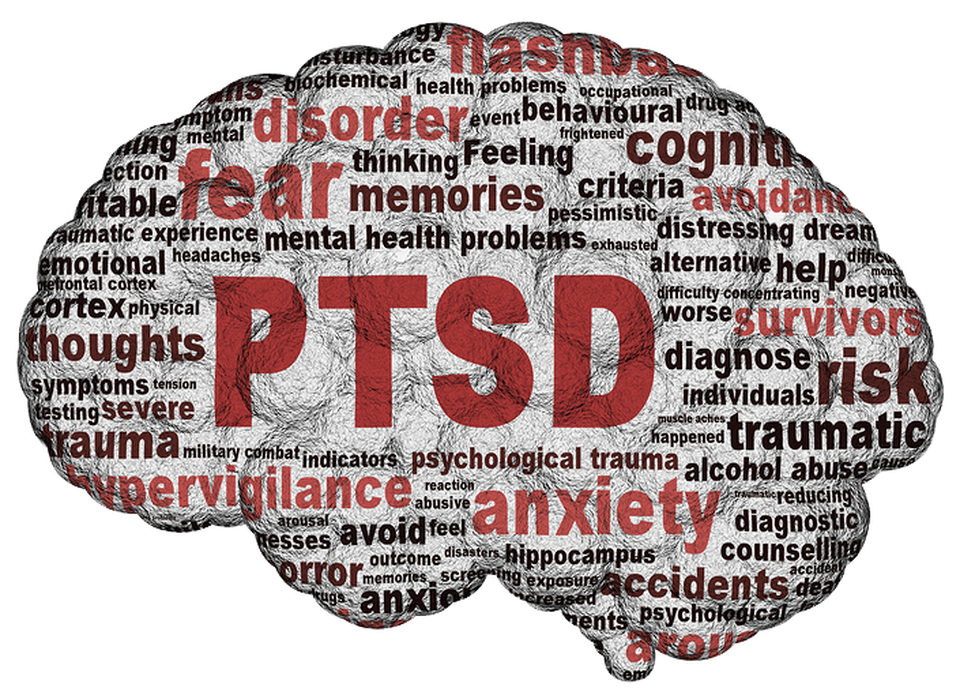
The Ugly Faces of Trauma: How Unresolved PTSD Can Affect Decision-Making and Risk-Taking
Trauma, particularly when left unprocessed, leaves profound imprints that extend far beyond the immediate moment of crisis. Post-Traumatic Stress Disorder (PTSD) is one of the most recognized outcomes of trauma, commonly associated with flashbacks, nightmares, or hyper-vigilance. Yet its influence is more insidious and widespread, reaching into some of the most fundamental aspects of human functioning: decision-making and risk-taking. These are not just psychological processes but critical life skills that shape careers, relationships, and overall well-being. When trauma remains unresolved, it distorts these processes in ways that can alter the trajectory of a person’s life.
The Neurobiology of Trauma and Decision-Making
At the root of PTSD lies the brain’s survival circuitry. During a traumatic event, the amygdala—our brain’s alarm system—becomes hyperactivated, while the prefrontal cortex, responsible for logic, reasoning, and executive decision-making, is suppressed. This evolutionary design helps ensure survival in moments of acute danger. However, in PTSD, this survival response becomes maladaptive and chronic.
The lingering hyperarousal of the amygdala means that the brain is persistently primed to detect threats, even when none exist. At the same time, the prefrontal cortex struggles to reassert control, reducing the individual’s capacity to evaluate situations rationally. Over time, this imbalance manifests as impaired judgment, difficulty assessing risks realistically, and a tendency toward either impulsive or excessively cautious decision-making. Everyday choices—from entering a new relationship to pursuing a career change—become fraught with anxiety, avoidance, or overcompensation.
The Psychology of Risk-Taking in PTSD
Risk-taking is an essential component of growth and adaptation. Yet for those with unresolved trauma, risk becomes distorted into extremes. On one end of the spectrum are individuals who engage in high-risk behaviors such as reckless driving, substance misuse, unsafe sexual practices, or financial gambling. These actions often serve as unconscious attempts to numb pain, regain a sense of control, or escape intrusive thoughts. They may also stem from a neurological craving for heightened stimulation as the traumatized brain seeks to override emotional numbness.
On the other end of the spectrum are those who retreat into rigid avoidance. These individuals may forgo opportunities, resist change, and avoid new relationships out of overwhelming fear that something will go wrong. Both extremes—reckless risk-taking and paralyzing avoidance—create barriers to personal development and long-term stability. Crucially, neither is truly about risk, but rather about coping with unresolved trauma.
The Ripple Effect on Families, Health, and Society
The consequences of PTSD-driven decision-making extend beyond the individual. Families often shoulder the burden of unpredictable behaviors, emotional withdrawal, or heightened conflict. Partners and children may feel the ripple effects of instability, eroding trust and security within the household. Over time, this can contribute to fractured family structures, cycles of intergenerational trauma, and decreased resilience in communities.
On a health level, unresolved PTSD is linked with comorbid conditions such as depression, anxiety, chronic pain, and substance use disorders. These conditions further complicate decision-making, creating a feedback loop in which unhealthy choices exacerbate both mental and physical symptoms. On a societal scale, unresolved trauma can fuel challenges such as poverty, unstable employment, increased healthcare costs, and community disconnection. In essence, untreated PTSD is not only a personal struggle but a public health concern.
Early Intervention: Rewiring the Brain and Breaking the Cycle
The hopeful reality is that PTSD, while deeply challenging, is treatable. Early intervention is critical because it prevents maladaptive decision-making patterns from becoming entrenched. Evidence-based therapies such as Cognitive Behavioral Therapy (CBT), Eye Movement Desensitization and Reprocessing (EMDR), and somatic experiencing have demonstrated strong effectiveness in helping individuals process trauma, reduce hyperarousal, and restore balance to the brain’s survival and reasoning systems.
Equally important is psychoeducation—helping individuals understand the biological and psychological mechanisms at play. When people learn that their impaired decision-making is not a moral failing but a neurological response to trauma, they can begin to reclaim agency over their choices. Developing coping strategies, building emotional regulation skills, and fostering resilience enable individuals to evaluate risks with greater clarity and confidence.
Redefining the Course of Life
Healing from trauma is not about erasing the past, but about reclaiming the present and reshaping the future. By addressing PTSD early, individuals can step away from destructive cycles of impulsivity or avoidance and toward a more intentional, empowered way of living. This shift has a profound ripple effect: healthier families, stronger communities, and ultimately, a society less burdened by the hidden costs of unresolved trauma.
Where to go from here, when PTSD affect rightful thought process and actions?
Unresolved PTSD carries many hidden faces—disrupted decision-making, distorted risk-taking, fractured relationships, and compromised health. Yet none of these outcomes are inevitable. By recognizing the subtle ways trauma shapes our choices, and by intervening early with effective therapeutic support, individuals can alter the trajectory of their lives. The journey from surviving to thriving is not simple, but it is entirely possible. With the right tools and guidance, the ugly faces of trauma can be transformed into stories of resilience, growth, and lasting happiness.
Learn More
How to Cope Between Therapy Sessions When Depression Strikes: Mental Illness Never Takes a Break
Therapy can be a powerful lifeline in managing depression, but what happens in the spaces between sessions? Mental illness doesn’t operate on a schedule. Depression doesn’t pause to respect your calendar. It can creep in during quiet moments, overwhelm you at work, or hit hardest when you’re alone. That’s why learning how to cope between therapy appointments is essential for long-term healing and emotional resilience.
Below are practical and compassionate strategies to help you stay grounded, manage difficult emotions, and support yourself in the times when professional help isn’t immediately available.
1. Create a Personalized Coping Toolbox
Everyone’s experience with depression is unique, so your coping tools should be too. Start by identifying activities and strategies that have helped you in the past or that you’d like to try. Your toolbox might include:
- Breathing or grounding exercises
- Journaling thoughts and feelings
- Listening to calming or uplifting music
- Going for a walk or gentle movement
- Calling a trusted friend or support person
- Reading affirmations or past therapy notes
Keep your toolbox accessible—write it down or save it on your phone—so it’s easy to reference when you’re feeling low.
2. Stick to a Routine, Even a Simple One
Depression can make even the smallest tasks feel overwhelming, but having a loose daily routine can give your day structure and purpose. This doesn’t mean being rigid or overly ambitious. Focus on small, manageable habits such as:
- Getting out of bed around the same time each day
- Drinking a glass of water first thing in the morning
- Taking a shower or brushing your teeth
- Eating at regular intervals
- Going outside for at least five minutes
A routine offers a sense of normalcy and achievement, even during hard times.
3. Track Your Mood and Thoughts
Use a journal or an app to record how you’re feeling throughout the day. Note any triggers, patterns, or thoughts that stand out. This helps in two ways:
- It gives you insight into your emotional cycles
- It provides useful information to share in your next therapy session
By becoming more aware of your mental state, you can start to recognize early warning signs and act before things escalate.
4. Practice Self-Compassion, Not Perfection
It’s easy to become your harshest critic when you’re struggling. You might feel guilt for not being “productive” or shame for needing help. But healing isn’t linear, and there are no perfect days in recovery.
Treat yourself the way you would treat a dear friend—with kindness, patience, and understanding. Replace harsh inner dialogue with more supportive thoughts like:
- “I’m doing the best I can with what I have today.”
- “It’s okay to feel this way. These feelings won’t last forever.”
- “Needing rest doesn’t make me weak—it makes me human.”
5. Reach Out for Connection
Isolation can deepen the grip of depression, making it feel harder to reach out. But human connection, even in small doses, can provide relief and reassurance. Don’t wait for a crisis to call someone. Reach out when you:
- Need to vent
- Want distraction or company
- Feel yourself slipping into a dark mental space
You don’t have to explain everything. A simple, “Can we talk?” or “I could really use a friendly voice right now,” is enough.
6. Use Technology Wisely
There are several mental health apps designed to support people between therapy sessions. These can offer guided meditations, mood tracking, thought reframing, or even AI-based journaling. Some helpful ones include:
- Headspace (mindfulness and meditation)
- Moodpath (mood tracking and mental health screening)
- Woebot (a chatbot based on Cognitive Behavioral Therapy)
- Sanvello (coping tools, goal setting, and community support)
Use tech to your advantage—but be mindful of doom-scrolling or consuming triggering content on social media.
7. Know When to Seek Extra Help
Sometimes, depression intensifies between sessions. If you’re feeling overwhelmed or having thoughts of self-harm, don’t wait until your next appointment. Reach out to:
- A crisis hotline or mental health support line
- A trusted friend or family member
- Your therapist, if they offer emergency contact options
- A walk-in clinic or local mental health service
There is no shame in asking for more support when you need it. Your safety and well-being always come first.
Final Thoughts: You Are Stronger Than You Think
Between therapy sessions, you are still healing. Every effort you make to care for yourself—no matter how small—is a victory. Depression may not take a break, but neither does your resilience. With the right tools, support, and mindset, you can navigate the hard days and come out stronger on the other side.
Remember: You are not alone. Your story is still unfolding, and brighter chapters are ahead. Keep showing up for yourself. That’s courage. That’s strength. That’s hope in motion.

The Many Facets of Anxiety: How It Manifests as Irritability or Anger and Managing Them for a Happier, Serene Life
Anxiety is a complex and often misunderstood emotion. While most people associate it with worry, panic attacks, or restlessness, anxiety can also wear the mask of irritability or even anger. This disguised form can wreak havoc on our relationships, peace of mind, and overall well-being if not properly understood and managed.
Let’s dive into how anxiety shows up in unexpected ways, why it morphs into irritability or anger, and how we can address it for a more balanced, joyful life.
Understanding the Nature of Anxiety
Anxiety is the body’s response to perceived danger or stress. It triggers the “fight, flight, or freeze” response and prepares us to react. While this mechanism is essential for survival, it becomes problematic when overactivated by everyday stressors—deadlines, relationships, finances, health concerns.
When anxiety becomes chronic, it stops being helpful and starts manifesting in less obvious, but equally destructive ways.
Why Anxiety Turns into Irritability or Anger
Though they seem like separate emotions, anxiety and anger are closely linked:
- Overstimulation: When your brain is in constant overdrive from worry or hypervigilance, you’re more likely to become frustrated or overwhelmed quickly.
- Perceived Threats: Anxiety can cause you to interpret neutral events as threats. This leads to a defensive, sometimes aggressive reaction.
- Lack of Control: Feeling out of control is deeply unsettling. That discomfort can easily morph into anger, especially when we feel helpless.
- Bottled-up Emotions: When anxiety is suppressed, it can come out sideways—as sarcasm, short-temperedness, or even rage.
In truth, many people who seem “angry” are often silently struggling with underlying anxiety.
How to Recognize the Signs
You might be experiencing anxiety-related irritability or anger if you:
- Feel unusually impatient or snap at others over minor issues
- Notice a short fuse in stressful situations
- Experience muscle tension, headaches, or clenched jaws
- Constantly feel “on edge” or overly alert
- Regret reactions that felt disproportionate afterward
Acknowledging these patterns is the first step toward regaining inner calm.
Strategies for Managing Anxiety-Driven Irritability and Anger
- Pause and Breathe
Deep breathing activates the parasympathetic nervous system, calming your fight-or-flight response. Practice box breathing: inhale for 4 seconds, hold for 4, exhale for 4, and hold for 4 again.
- Identify Triggers
Journaling or reflecting on moments when you felt irritable can help pinpoint recurring triggers. Is it work-related? A particular person? Lack of sleep?
- Reframe Your Thoughts
Anxiety often stems from distorted thinking. Catch yourself in moments of catastrophizing or assuming the worst. Replace fear-driven thoughts with balanced, empowering ones.
- Use Physical Activity as an Outlet
Movement releases pent-up energy and boosts feel-good endorphins. Even a brisk walk can dissipate rising frustration.
- Practice Mindfulness and Meditation
These tools train your mind to stay present, reducing rumination and reactivity. Over time, they build emotional resilience.
- Communicate Openly
Let others know what you’re experiencing. Saying, “I’m feeling overwhelmed, I need a moment,” is far healthier than letting tension explode later.
- Seek Professional Support
Therapy—especially cognitive behavioral therapy (CBT)—can be transformative in understanding and reshaping anxiety’s impact on your emotional responses.
Living a More Serene Life
Healing from anxiety-induced irritability is not about becoming emotionless; it’s about gaining mastery over your responses. When you understand the roots of your reactions, you stop being ruled by them. You move from reactive to responsive, from chaotic to centered.
Imagine waking up not bracing for the day, but embracing it. Imagine conversations filled with patience instead of tension. That serenity isn’t just a dream—it’s a skill. And like all skills, it grows with intention and practice.
Mother nature of anxiety: From Storm to Stillness
Anxiety is not your enemy. It’s a messenger—alerting you to unresolved fears, unmet needs, or unsustainable stress levels. When we listen with compassion, not judgment, we can transform our anxiety from a source of pain into a catalyst for growth.
Let every day be a chance to pause, breathe, and choose peace over panic, understanding over outbursts, and joy over fear.
Because within every anxious heartbeat lies the quiet potential for a calm, powerful, and radiant life.
Concluding words of wisdom: “You’re not broken—you’re becoming. And every moment of awareness is a step closer to the peace you deserve.”


The Psychological Impact of Trump-Era Immigration Policies: Fear, Uncertainty, and the Future of Immigration Laws

The Trump administration implemented some of the most stringent immigration policies in recent U.S. history, dramatically altering the landscape for immigrants, their families, and communities. From family separations at the border to aggressive deportation efforts and restrictions on legal pathways, these policies have left a lasting psychological impact on immigrants, including those with legal status, as well as future generations.
While the political rhetoric surrounding these policies aimed at “strengthening national security” and “protecting American jobs,” the human cost has been profound. Fear, anxiety, and trauma have become widespread among immigrant communities, affecting their mental health, social well-being, and economic stability. This article explores the short-term and long-term psychological effects of these policies and their broader implications on immigration laws and the generations to come.
Under the Trump administration, immigration policies shifted from prioritizing the deportation of criminals to a broader crackdown that targeted nearly all undocumented individuals, including some with legal status. This change stemmed from executive orders and policies that expanded enforcement priorities, allowing Immigration and Customs Enforcement (ICE) to arrest and deport anyone without full U.S. citizenship, regardless of their criminal record. The administration also tightened visa regulations, increased vetting processes, and sought to revoke protections like DACA and Temporary Protected Status (TPS). Even green card holders faced scrutiny, particularly those with minor legal infractions. This broad approach created widespread fear and instability within immigrant communities, affecting families, businesses, and overall mental well-being. Let’s discuss some of the short and long term psychological effects in our society.
Let’s start with: Short-Term Psychological Effects: Fear and Anxiety
1. Constant Fear of Deportation One of the most immediate consequences of Trump’s policies was an atmosphere of fear. Families living in the U.S. for decades suddenly faced the threat of deportation due to heightened enforcement efforts by Immigration and Customs Enforcement (ICE). Even individuals with legal residency, such as DACA recipients, faced uncertainty about their future. The fear of deportation led to an increase in anxiety, depression, and post-traumatic stress disorder (PTSD) among immigrants.
2. Family Separations and Psychological Trauma The “zero tolerance” policy at the border led to the forced separation of thousands of children from their parents, resulting in devastating psychological consequences. Children placed in detention centers experienced acute stress, loss of trust, and developmental setbacks. Studies show that early childhood trauma can lead to long-term emotional and cognitive issues, increasing the likelihood of anxiety disorders, depression, and even physical health problems later in life.
3. Distrust in Institutions Many immigrant families became wary of seeking medical care, reporting crimes, or enrolling their children in school out of fear that their information might be shared with immigration authorities. This distrust led to a deterioration in public health and safety, as immigrants avoided necessary services that could have benefited them and the community at large.
Let’s follow with: Long-Term Psychological and Social Impacts
1. Generational Trauma Children who witnessed their parents’ fears and anxieties, or worse, experienced family separations, will likely carry the emotional burden into adulthood. Research on generational trauma suggests that the stress and instability faced by one generation can have lasting effects on subsequent ones, leading to increased rates of mental health disorders and socioeconomic challenges.
2. Decline in Educational Performance Immigrant children, particularly those from undocumented families, often struggle with concentration, motivation, and academic performance due to chronic stress. Schools in immigrant-heavy areas reported increased absenteeism as families feared potential ICE raids. Over time, this could lead to lower graduation rates and limited access to higher education, affecting upward mobility for immigrant communities.
3. Economic Consequences The fear and instability caused by restrictive immigration policies led many immigrants to disengage from the labor market or work in lower-paying jobs to avoid drawing attention. This not only affected individual economic stability but also contributed to workforce shortages in industries reliant on immigrant labor. In the long term, reduced economic participation could stifle economic growth and innovation.
4. Reinforcement of Xenophobia and Discrimination Trump’s policies, coupled with anti-immigrant rhetoric, fueled discrimination and xenophobia across the country. Hate crimes against immigrants surged during his presidency, creating a hostile social environment. This hostility affects not just the first generation but also second-generation immigrants who may face bias and prejudice despite being U.S. citizens.
Probable Impact on Future Generations and Immigration Policies
1. Erosion of American Ideals The U.S. has long been considered a beacon for immigrants seeking opportunity and refuge. However, Trump-era policies sent a message that America was closing its doors, leading to a decline in global perception and reduced immigration rates. Future generations may grow up with a more restrictive view of immigration, shaping policy decisions for years to come.
2. Stricter Immigration Laws The normalization of harsh immigration measures under Trump set a precedent for future administrations to follow suit. Even after his presidency, debates about border security, asylum restrictions, and deportation policies remain central in political discussions. The long-term impact could be a more challenging pathway for immigrants seeking legal entry into the U.S.
3. Mental Health Crises in Immigrant Communities The psychological wounds inflicted by these policies may not heal quickly. Generations of immigrants could continue to struggle with fear, instability, and mental health challenges. Without adequate support systems, these issues could perpetuate cycles of poverty, social exclusion, and emotional distress.
With all these new policies under Trump administration, it had created a climate of fear and uncertainty that continues to impact immigrant communities and future generations. From immediate psychological distress to long-term economic and social consequences, the effects of these policies extend far beyond the individuals directly affected.
Addressing these challenges requires comprehensive immigration reform that prioritizes human rights, mental health support, and pathways to stability. As the U.S. moves forward, policymakers must consider the deep psychological and societal ramifications of their decisions, ensuring that immigration policies reflect the nation’s values of inclusivity, opportunity, and justice.
Learn More
Powerful effects of journaling: How can it help you in your journey of healing, despite dealing with severe anxiety! Probable answers to challenging mental health condition!
Journaling has long been recognized as a therapeutic tool for managing emotions, reducing stress, and fostering self-awareness. For individuals experiencing severe anxiety, writing in a journal can serve as an effective coping mechanism. This article explores how journaling aids in the healing process, supports mental health, and provides practical strategies for incorporating journaling into a daily routine.
How Journaling Supports Healing
- Emotional Release and Processing
- Writing about anxious thoughts helps externalize emotions rather than suppress them.
- Journaling allows individuals to identify patterns and triggers that contribute to their anxiety.
- Expressive writing can lead to emotional catharsis, helping to reduce stress and tension.
- Cognitive Restructuring
- Journaling provides an opportunity to challenge negative thoughts and replace them with more rational perspectives.
- It supports cognitive-behavioral therapy (CBT) techniques by helping individuals recognize cognitive distortions.
- Through self-reflection, individuals develop greater self-awareness and resilience.
- Mindfulness and Present-Moment Awareness
- Journaling encourages mindfulness by focusing on the present experience rather than ruminating on the past or worrying about the future.
- Keeping a gratitude journal shifts focus from anxiety-provoking thoughts to positive aspects of life.
- Writing about small victories fosters a sense of accomplishment and self-compassion.
- Tracking Progress and Growth
- Reviewing past journal entries reveals patterns of progress in managing anxiety.
- Seeing improvements over time builds confidence in one’s ability to cope.
- Journaling acts as a form of self-accountability, reinforcing positive habits and coping strategies.
- Reducing the Impact of Trauma and Stress
- Expressive writing has been shown to help individuals process traumatic experiences in a structured manner.
- Writing about difficult emotions provides a sense of control over anxiety-inducing situations.
- Studies indicate that journaling can lower cortisol levels and improve emotional regulation.
Practical Journaling Techniques for Anxiety Relief
- Stream-of-Consciousness Writing
- Write without judgment or structure, allowing thoughts to flow freely.
- Set a timer for 10-15 minutes and write whatever comes to mind.
- Gratitude Journaling
- List three things you’re grateful for each day.
- Reflect on how these positive aspects contribute to your well-being.
- Cognitive Behavioral Journaling
- Identify an anxious thought, analyze its accuracy, and reframe it with a more balanced perspective.
- Use prompts such as “What evidence supports this fear? What is an alternative way to view this situation?”
- Letter Writing
- Write a letter to your future self about how you overcame challenges.
- Compose a letter to your anxiety, acknowledging its presence but asserting control over your responses.
- Mood and Thought Tracking
- Keep a daily log of your mood, triggers, and coping mechanisms.
- Identify patterns in thought processes and emotional responses.
Probable Answers to Challenging Mental Health Conditions related to anxiety base psychological distress.
- What if journaling increases my anxiety?
- If writing about distressing events feels overwhelming, try guided prompts or limit writing sessions to short, manageable durations.
- Focus on positive aspects such as gratitude, solutions, and strengths rather than only venting.
- How do I stay consistent with journaling?
- Set aside a specific time daily, such as before bed or after waking up.
- Use a structured format, like bullet points, if long-form writing feels daunting.
- Can journaling replace therapy?
- While journaling is a valuable self-help tool, it should complement professional therapy rather than replace it.
- Sharing journal entries with a therapist can provide deeper insights and guided support.
- How long will it take of me journaling before I see a positive difference with my anxiety?
- Journaling alone may not be the ultimate solution to overcoming anxiety. Managing anxiety effectively requires a combination of therapy, time, and personal effort. Each individual responds differently to the benefits of journaling—some may notice improvements within six months, while others may take longer. There is no definitive medical evidence indicating a specific timeframe for complete recovery from anxiety-related challenges.
Journaling is a powerful practice that fosters healing and resilience, especially for those struggling with severe anxiety. By providing a safe space for emotional expression, cognitive restructuring, and mindfulness, journaling can transform one’s mental health journey. Whether used alongside therapy or as a personal tool for self-growth, its benefits are profound and long-lasting.

Strengthening Resilience: Several effective strategies to protect your mental health from the many downsides of anxiety disorder
Anxiety is a natural reaction to stress, but when it becomes persistent or overwhelming, it can take a toll on both mental and physical health. Strengthening resilience is key to managing anxiety and fostering a healthy, balanced mind. Resilience doesn’t mean avoiding stress—it’s about developing the ability to adapt and bounce back from life’s challenges.
This article explores several effective strategies to build resilience and protect mental well-being from the effects of anxiety disorder. Keep in mind that not every approach will work for everyone, but by gaining insight and understanding, you may discover techniques that suit you best. Let’s explore them one by one.
1. Develop a Growth Mindset
A growth mindset is the belief that abilities and intelligence can be developed through dedication and hard work. Viewing challenges as opportunities to grow rather than threats can shift your perspective and reduce anxiety. Embrace setbacks as learning experiences, and remind yourself that difficulties are temporary and surmountable.
2. Practice Mindfulness and Meditation
Mindfulness involves focusing on the present moment without judgment. Regular mindfulness practice can help reduce anxiety by shifting attention away from distressing thoughts and fostering a sense of calm. Meditation, deep breathing, and body scanning techniques can further support emotional regulation and stress management.
3. Prioritize Self-Care
Taking care of your body and mind is crucial in strengthening resilience. Ensure you get adequate sleep, maintain a balanced diet, and engage in regular physical activity. Exercise, in particular, has been shown to reduce anxiety by releasing endorphins and improving mood. Additionally, engaging in activities that bring joy and relaxation, such as hobbies or spending time in nature, can contribute to overall mental well-being.
4. Build a Strong Support System
Having supportive relationships can significantly buffer the effects of anxiety. Surround yourself with positive and understanding individuals who encourage resilience. Whether through family, friends, support groups, or therapy, meaningful connections provide comfort and guidance during stressful times.
5. Cultivate Emotional Regulation Skills
Managing emotions effectively can prevent anxiety from escalating. Techniques such as journaling, cognitive reframing, and engaging in creative outlets like art or music can help process emotions in a healthy way. Identifying triggers and developing coping mechanisms tailored to your needs can also enhance emotional resilience.
6. Establish Healthy Boundaries
Setting boundaries is essential for maintaining mental health and preventing burnout. Learn to say no to demands that exceed your emotional or physical capacity. Prioritize activities that align with your well-being, and avoid situations or individuals that contribute to unnecessary stress.
7. Develop Problem-Solving Skills
Resilience involves facing problems head-on rather than avoiding them. Strengthen your problem-solving skills by breaking challenges into manageable steps. Identify possible solutions, weigh their pros and cons, and take action. Feeling in control of situations can reduce anxiety and enhance confidence in handling future stressors.
8. Seek Professional Help When Needed
There is no shame in seeking professional support when anxiety becomes overwhelming. Therapy, counseling, or psychiatric intervention can provide tailored strategies and coping mechanisms. Cognitive-behavioral therapy (CBT), in particular, has proven effective in reducing anxiety symptoms and improving resilience.
Building resilience against anxiety disorder requires consistent effort and self-awareness. By fostering a growth mindset, practicing mindfulness, prioritizing self-care, and seeking support, you can strengthen your mental health and navigate life’s challenges with confidence. Remember, resilience is not about eliminating stress but about developing the capacity to adapt, recover, and thrive

Complexities of S.A.D (Seasonal Affective Disorders): Coping with mood disorders related to winters and cold temperatures. Effective Strategies that can work during these long winter months to alleviate these moods.
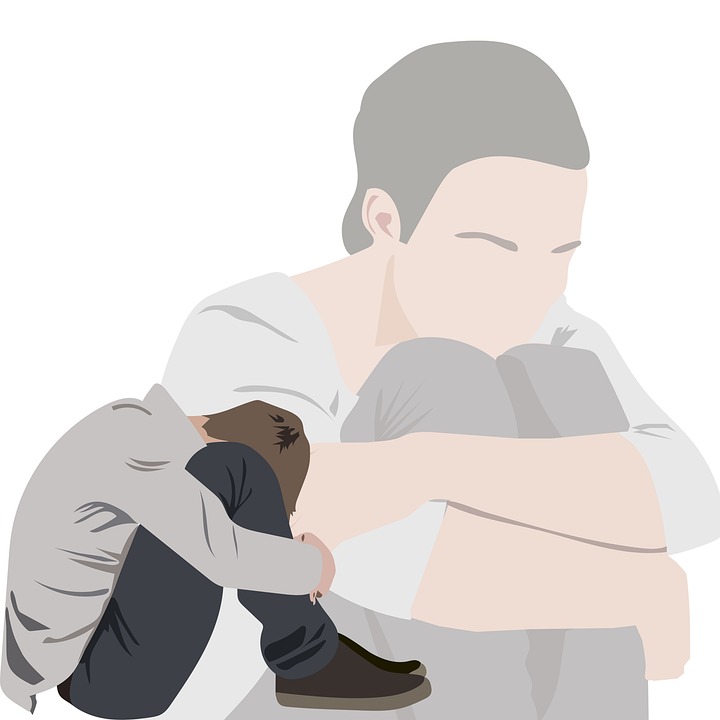
Seasonal Affective Disorder (SAD) is a type of mood disorder that recurs seasonally, often in winter when daylight hours are reduced. The symptoms of SAD are similar to those of major depressive disorder and may include persistent low mood, fatigue, irritability, sleep problems, overeating, and social withdrawal. Those affected by SAD can find it difficult to maintain motivation and experience a general decline in well-being.
Here’s a detailed exploration of SAD, the science behind it, and effective strategies for coping during the winter months.
1. Understanding SAD: Causes and Biological Mechanisms
- Light and Melatonin Regulation: Reduced sunlight in winter affects our circadian rhythms, which are regulated by light. This can lead to overproduction of melatonin, the hormone that regulates sleep, causing drowsiness and lethargy during waking hours.
- Serotonin Production: Low sunlight exposure may lower serotonin levels in the brain. This neurotransmitter is crucial for mood stabilization, and lower levels can lead to feelings of depression and lethargy.
- Vitamin D Deficiency: Sunlight exposure is a primary source of vitamin D. Low levels of vitamin D have been linked to depressive symptoms, and insufficient sunlight during winter can contribute to this deficiency.
- Genetic Factors: Some people are more genetically predisposed to experience SAD due to a family history of mood disorders or particular serotonin-transporter genes.
2. Symptoms of SAD
- Persistent low mood
- Loss of interest or pleasure in everyday activities
- Fatigue and low energy despite adequate sleep
- Increased appetite, particularly for carbohydrates, leading to weight gain
- Difficulty concentrating and making decisions
- Social withdrawal and increased irritability
- In severe cases, thoughts of self-harm or suicide may occur.
3. Effective Strategies for Managing SAD Symptoms
3.1. Light Therapy (Phototherapy)
- What It Is: Light therapy involves exposure to a bright light (at least 10,000 lux) that mimics natural sunlight. This is usually done with a lightbox for 20-60 minutes each morning.
- How It Helps: Light therapy can help realign circadian rhythms and reduce melatonin production, improving alertness and mood.
- Effectiveness: Studies suggest light therapy can improve symptoms in up to 85% of people with SAD within a week or two.
3.2. Cognitive Behavioral Therapy (CBT)
- What It Is: CBT is a structured, short-term form of psychotherapy focused on identifying and changing negative thought patterns.
- How It Helps: CBT helps individuals challenge and alter negative thoughts related to the season, breaking the connection between dark days and feelings of hopelessness.
- Effectiveness: Research has found CBT tailored for SAD (CBT-SAD) to be effective in reducing symptoms both in the short term and in preventing recurrence.
3.3. Physical Exercise
- Why It Works: Exercise releases endorphins, which act as natural mood lifters. Regular physical activity also improves sleep, reduces anxiety, and provides structure to daily routines.
- Types of Exercise: Aerobic exercises such as walking, cycling, and swimming are particularly beneficial. Exercising outdoors, even on cloudy days, can also provide natural light exposure.
3.4. Diet and Nutrition
- Avoiding Carbohydrate Cravings: SAD often leads to an increased craving for carbohydrates. A balanced diet with complex carbohydrates (whole grains) and protein-rich foods can stabilize blood sugar levels and mood.
- Supplementing with Vitamin D: Because sunlight exposure is limited in winter, taking a vitamin D supplement can help mitigate deficiency-related mood dips.
- Omega-3 Fatty Acids: Found in fish and flaxseed, omega-3s are known to support brain health and reduce symptoms of depression.
3.5. Social Connection and Support
- Importance of Social Engagement: Social withdrawal is common with SAD, but engaging with friends and family can significantly alleviate symptoms. Support groups and social gatherings provide emotional support and combat isolation.
- Therapeutic Support Groups: Group therapy sessions tailored to individuals with SAD can be a valuable resource, as members share coping strategies and provide mutual encouragement.
3.6. Mindfulness and Relaxation Techniques
- Mindfulness Practices: Meditation and mindfulness exercises help to reduce stress and improve focus, helping individuals maintain resilience against mood fluctuations.
- Guided Relaxation: Techniques such as deep breathing and progressive muscle relaxation can help manage anxiety and improve mood during winter.
3.7. Structured Daily Routine
- Benefits: Establishing a consistent routine helps create structure in days that may otherwise feel directionless and gloomy.
- Morning Sunlight Exposure: Maximize exposure to natural sunlight by scheduling outdoor activities during daylight hours, especially in the morning.
- Sleep Hygiene: Setting regular wake-up and bedtime hours, avoiding caffeine in the afternoon, and limiting blue light exposure before bed can improve sleep quality, which is essential for managing SAD symptoms.
3.8. Medication
- SSRIs: Selective serotonin reuptake inhibitors (SSRIs) are commonly prescribed for SAD when symptoms are severe or unresponsive to other treatments. These medications increase serotonin levels, helping to elevate mood and reduce anxiety.
- Bupropion (Wellbutrin): The FDA has approved this antidepressant specifically for treating SAD, particularly for its ability to prevent relapse.
4. Preventative Strategies for SAD
- Early Light Therapy: Beginning light therapy sessions in early fall before symptoms fully set in can help reduce the severity of SAD.
- Psychotherapy: Regular CBT sessions can build resilience to manage negative thoughts and prevent worsening of symptoms.
- Active Lifestyle: Maintaining an active lifestyle year-round, including outdoor time and physical exercise, can reduce the impact of winter on mood.
5. Importance of Early Diagnosis and Individualized Treatment
- Early diagnosis and a personalized approach are essential since SAD manifests differently across individuals. Some people respond better to light therapy, while others might need a combination of therapies and medications.
SAD is a complex disorder that arises from a blend of biological, psychological, and environmental factors. By combining lifestyle adjustments with therapeutic interventions like light therapy, CBT, and possibly medication, individuals can manage their symptoms and maintain a higher quality of life throughout the winter months.
Learn More