
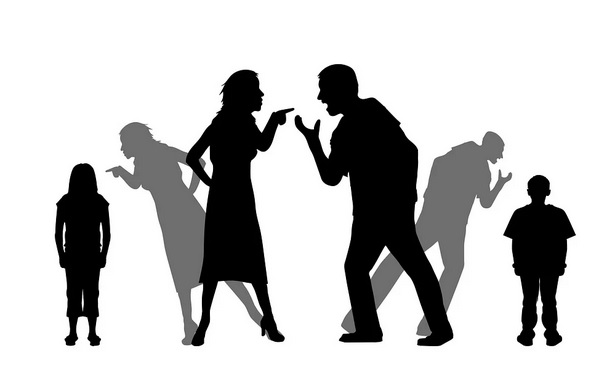
Dealing with Anxiety Triggers: Managing Relationships with Family Members who trigger our own anxiety: Some suggested steps to take and how to communicate when you feel the need to distance yourself or avoid interaction with them.
Living with anxiety can be challenging on its own, but navigating relationships with family members who trigger that anxiety adds an extra layer of complexity. Unlike casual acquaintances or coworkers, family members are often deeply integrated into your life, making avoidance more difficult and potentially damaging to family bonds. However, there are ways to address these relationships and manage your anxiety while maintaining boundaries and open communication.
This article explores the emotional challenges of interacting with family members who exacerbate anxiety, provides steps to cope, and offers practical advice on how to communicate your needs effectively. Understanding these techniques can help you maintain your mental well-being while minimizing tension within the family.
Understanding How Family Can Trigger Anxiety
Before diving into solutions, it’s essential to identify why family members may provoke feelings of anxiety. These reasons vary greatly depending on personal history, family dynamics, and individual triggers. Some common causes include:
- Unresolved Past Conflicts: Recurring conflicts from the past can leave emotional scars that resurface during interactions.
- Unrealistic Expectations: Families often place expectations on members to behave, achieve, or live up to certain standards, leading to pressure and anxiety.
- Lack of Boundaries: Overly invasive or controlling family members can make one feel suffocated, stripping away a sense of autonomy.
- Emotional Manipulation: Family members who use guilt or emotional manipulation can induce stress and anxiety, creating a toxic atmosphere.
- Family Roles and Dynamics: Traditional family roles or a history of dysfunction may perpetuate toxic dynamics that cause anxiety.
- Frequent Criticism or Judgment: Family members who frequently criticize or judge you can trigger feelings of inadequacy, leading to social anxiety and withdrawal.
Identifying the specific triggers within your family dynamic is crucial. Once you’re aware of these, you can begin addressing them with clear boundaries and communication strategies.
Steps to Take When Dealing with Family-Related Anxiety
When faced with family-induced anxiety, it’s important to approach the situation with care. Rather than impulsively reacting or permanently severing ties, consider these thoughtful steps to manage your mental health and maintain your relationship with your family members:
- Recognize Your Triggers Start by identifying which situations or behaviors from family members trigger your anxiety. Is it certain conversations, comments about your life, or particular family gatherings? Understanding what sets you off can help you take proactive measures to address the issue and plan how to respond before encountering similar situations again.
- Set Healthy Boundaries Once you’ve pinpointed the sources of anxiety, the next step is to set boundaries. Boundaries are crucial for maintaining emotional health, especially with family. Whether it’s limiting the time you spend with them or making certain topics off-limits in conversations, healthy boundaries prevent you from feeling overwhelmed.
For example, if family members often criticize your life choices, politely let them know you won’t entertain discussions on those subjects. You can say, “I appreciate your concern, but I would prefer not to talk about my job or relationships at this time.”
- Limit Exposure to Toxic Situations While it might be impossible to cut off contact with family members completely, reducing your exposure to toxic situations can help. Skip gatherings that make you anxious, or spend less time with people who trigger your anxiety. Focus on protecting your mental health, even if it means saying no to certain events.
- Practice Self-Care Engaging in self-care is crucial to managing anxiety, particularly when dealing with family triggers. This could involve physical activities like yoga or exercise, journaling your emotions, meditating, or simply giving yourself a break from toxic conversations. Self-care isn’t selfish—it’s a necessary part of maintaining your well-being.
- Seek Professional Support If family dynamics are too overwhelming, seeking professional guidance through therapy can be immensely helpful. Therapists can help you process emotions, develop coping strategies, and teach you how to handle difficult family relationships without sacrificing your mental health. Cognitive Behavioral Therapy (CBT) is a particularly effective treatment for anxiety triggered by familial interactions.
Effective Communication Strategies for Setting Boundaries
Communicating your boundaries with family members can be challenging, especially when they are not used to you asserting your needs. Clear, respectful communication is key to maintaining your mental health and preserving family relationships.
- Be Direct and Clear When discussing your boundaries, be as clear as possible. Avoid vague language that could be misinterpreted. For example, instead of saying, “I don’t want to talk about work,” you could say, “I’m currently stressed about work, and I would like to avoid discussing it during family gatherings.”
- Use “I” Statements Frame your concerns using “I” statements, which focus on your feelings rather than placing blame. For example, “I feel anxious when conversations get too heated, and I’d like to change the subject when that happens,” instead of, “You always make me anxious when we argue.” This approach prevents defensiveness and keeps the conversation solution-focused.
- Remain Calm and Respectful Even if the conversation feels tense, try to stay calm and respectful. Losing your temper or reacting with hostility may escalate the situation and reinforce negative family dynamics. Approach the discussion with the goal of resolution, not confrontation.
- Be Consistent with Your Boundaries Once you’ve set a boundary, it’s important to enforce it consistently. Family members may test your limits, but standing firm will show them that you’re serious about protecting your well-being. For example, if you’ve asked them not to bring up a certain topic and they do, gently remind them, “I’ve asked that we don’t discuss this subject.”
- Know When to Walk Away If family members continue to push your boundaries or create anxiety despite your best efforts, it may be necessary to distance yourself temporarily or walk away from the conversation. Protecting your mental health should be your top priority, even if it means stepping away from difficult family interactions.
When Avoiding Interaction is Necessary
There are instances when avoiding or limiting contact with certain family members is necessary to protect your mental health. Some relationships are too toxic or damaging to manage on a day-to-day basis, even with boundaries in place. Here are some situations where avoidance might be a viable option:
- Emotional or Physical Abuse If a family member is emotionally manipulative, verbally abusive, or physically threatening, it’s essential to distance yourself from them. No relationship, family or otherwise, is worth sacrificing your safety or mental well-being.
- Persistent Boundary Violations If you’ve set clear boundaries and they are consistently ignored or violated, it may be time to minimize or avoid contact. Repeated boundary violations demonstrate a lack of respect for your needs and mental health.
- Unwillingness to Compromise Family dynamics are healthiest when there is mutual respect and a willingness to compromise. If a family member refuses to meet you halfway and continues to act in ways that trigger anxiety, limiting interactions may be the best solution for your well-being.
- Toxic Environments If the family environment is consistently toxic—whether due to constant arguing, manipulation, or negativity—consider reducing your exposure to it. Your mental health should come before maintaining obligatory ties to unhealthy family dynamics.
Coping Mechanisms for Anxiety During Family Gatherings
Sometimes, avoiding family gatherings entirely may not be possible or desired. In those cases, it’s important to have coping mechanisms in place to manage your anxiety during interactions with family members who trigger you.
- Have an Exit Plan Before attending a family gathering, establish an exit plan in case things become too overwhelming. This could involve leaving early or taking short breaks to step outside, calm down, and refocus.
- Breathe and Ground Yourself Practice deep breathing or grounding techniques when anxiety starts to rise. Breathing exercises can help slow your heart rate and bring you back to the present moment, keeping anxiety at bay during triggering interactions.
- Focus on Supportive Family Members At family events, try to gravitate towards those who provide comfort and support rather than those who trigger anxiety. Spend your time with people who uplift and encourage you rather than those who make you feel drained.
- Limit Alcohol and Caffeine Both alcohol and caffeine can exacerbate anxiety, making you more susceptible to stress. Limiting your intake of these substances can help keep your anxiety levels manageable during family gatherings.
- Prepare Responses Ahead of Time If you know certain topics or comments will trigger anxiety, plan responses ahead of time. Having pre-prepared statements can help you navigate difficult conversations more smoothly and feel more in control.
Final few words: Managing Family Dynamics and Prioritizing Mental Health
Dealing with anxiety, especially when triggered by close family members, can be a painful and exhausting experience. However, by taking proactive steps—recognizing triggers, setting boundaries, communicating clearly, and prioritizing your well-being—you can manage these relationships in a way that protects your mental health without completely severing ties.
Remember, it’s okay to step back from relationships that negatively impact you. You are not obligated to tolerate behaviors that trigger anxiety, even from family members. By focusing on self-care, boundary setting, and seeking professional support when necessary, you can maintain a healthier and more balanced approach to family dynamics while prioritizing your mental health.


Generational trauma: The impact of childhood trauma on adult identity. Exploring the complexities of PTSD and uncovering the hidden truths behind it!

Generational trauma refers to the transmission of traumatic experiences and their effects across generations. This phenomenon can have a profound impact on one’s identity, emotional health, and behaviors in adulthood, even if the trauma wasn’t directly experienced by the individual. Understanding generational trauma requires a deep dive into the nature of childhood trauma, its psychological and biological effects, and how these are passed down and influence future generations.
1. The Nature of Childhood Trauma
Childhood trauma can arise from a variety of adverse experiences, including physical or emotional abuse, neglect, witnessing violence, or growing up in an environment with instability (e.g., mental illness in parents, addiction, or poverty). These early experiences have a long-lasting impact on brain development, emotional regulation, and a child’s emerging identity.
Key concepts include:
- Adverse Childhood Experiences (ACEs): A framework developed to understand how specific types of trauma (e.g., abuse, neglect, and household dysfunction) affect physical, mental, and emotional health in adulthood. Research shows that the more ACEs a child experiences, the greater the risk of adverse outcomes later in life.
- Attachment Theory: Trauma often disrupts the development of healthy attachment between a child and caregiver. A child who experiences trauma may develop an insecure attachment style (e.g., anxious or avoidant), which can manifest as difficulty forming healthy relationships in adulthood.
2. Impact on Adult Identity
Childhood trauma profoundly shapes an individual’s sense of self, leading to challenges in identity formation and emotional resilience in adulthood. Some effects include:
- Self-esteem and Worth: Many individuals who experience trauma in childhood struggle with low self-worth and internalized shame, which can impede their ability to develop a stable and positive identity.
- Dissociation and Fragmentation of Identity: In cases of severe trauma, dissociation (a sense of detachment from reality or oneself) can occur, fragmenting an individual’s identity and leaving them with a disjointed sense of self.
- Repetition of Patterns: Adults who experienced childhood trauma may unconsciously repeat maladaptive behaviors or find themselves in situations that mimic their traumatic experiences, particularly in relationships. This is known as “repetition compulsion.”
- Survival Mechanisms: Hypervigilance, emotional numbing, or avoidance (common PTSD symptoms) can limit an individual’s emotional expression and ability to connect with others.
3. Exploring the Complexities of PTSD
Post-Traumatic Stress Disorder (PTSD) is a condition that can develop in individuals who experience or witness traumatic events. PTSD can arise from both acute and prolonged childhood trauma, manifesting in adulthood with symptoms such as:
- Intrusive Thoughts: Recurrent, involuntary memories or flashbacks of the trauma.
- Hyperarousal: Heightened anxiety, irritability, and an exaggerated startle response.
- Avoidance: A tendency to avoid situations, thoughts, or people that remind the individual of the trauma.
- Emotional Numbing: A sense of emotional detachment, difficulty in feeling joy, or a persistent sense of doom.
4. Biological Transmission of Trauma
Recent studies indicate that trauma can be passed down biologically through epigenetics—modifications in gene expression without changes to the underlying DNA sequence. Stressors, including childhood trauma, can alter the way genes are expressed, which can then be transmitted to future generations. Key findings include:
- Cortisol Dysregulation: Trauma affects the hypothalamic-pituitary-adrenal (HPA) axis, responsible for the body’s stress response. This dysregulation can be inherited, leading to heightened anxiety, depression, or PTSD in subsequent generations.
- Neuroplasticity and Trauma: The brain’s ability to adapt and change (neuroplasticity) can be shaped by traumatic experiences, affecting emotional regulation and cognitive processing.
5. Generational Trauma: Transmitting Trauma Across Generations
Generational trauma goes beyond direct experiences and is often transmitted within families through socialization, family dynamics, and unspoken expectations. Ways in which trauma is passed down include:
- Behavioral Transmission: Traumatized parents may unconsciously model maladaptive coping mechanisms (e.g., emotional avoidance, anger, or emotional withdrawal), which children may learn and internalize.
- Silence and Secrecy: Families that avoid discussing their traumatic history can leave children confused and burdened with unspoken emotional weight. This may lead to unexplained anxiety, depression, or identity struggles.
- Parenting Styles: Trauma survivors may exhibit overprotective or emotionally distant parenting styles, which can hinder the emotional development of their children, perpetuating cycles of trauma.
6. Healing from Generational Trauma
Overcoming the impact of generational trauma is a complex, yet possible, process that often requires deliberate intervention:
- Therapy: Therapeutic approaches like trauma-focused cognitive-behavioral therapy (TF-CBT), Eye Movement Desensitization and Reprocessing (EMDR), or psychodynamic therapy can help individuals process trauma and interrupt the cycle of transmission.
- Psychoeducation: Understanding the nature of trauma, both personal and generational, empowers individuals to recognize and challenge inherited patterns.
- Mindfulness and Somatic Practices: Techniques such as meditation, yoga, and breathing exercises can help regulate the nervous system and promote healing by reducing stress responses and building resilience.
- Intergenerational Conversations: Breaking the cycle of silence by openly discussing trauma within families can foster understanding, healing, and connection across generations.
Where does PTSD stands with generational trauma?
The hidden truths of generational trauma reveal how deeply childhood experiences shape adult identity, including the risk of developing PTSD and other mental health conditions. While the effects of trauma can ripple across generations, with understanding and intervention, it is possible to break the cycle and foster healing and resilience for future generations.


Some of the many facets of anxiety: Understanding “avoidance behaviors” from those who practice it daily and the ways to work with their anxiety.
Avoidance behavior (A.B) is a common but often misunderstood response to anxiety. It involves evading situations, thoughts, or feelings that trigger discomfort or fear. While avoidance might offer temporary relief, it can reinforce anxiety in the long term, trapping individuals in a cycle of fear and evasion that limits their ability to live fully.
At its core, A.B is a coping mechanism. When confronted with a situation that provokes anxiety, the natural response might be to escape or avoid it. This response is driven by the body’s instinct to protect itself from perceived threats. For example, someone with social anxiety may skip social events (agoraphobia) to avoid the fear of being judged by others, or a person with a specific phobia might avoid environments where they could encounter the object of their fear, such as spiders (arachnaphobia), heights (acrophobia), or people (anthropophobia).
It may provide immediate relief from anxiety, which reinforces the behavior with more intensity and co-dependency. For example, if someone avoids a public speaking event and feels a sense of relief, they are more likely to avoid similar events in the future. Over time, this reinforcement strengthens the avoidance behavior, making it more ingrained and harder to break.
Here are some common types of avoidance behavior:
- Situational Avoidance: This involves avoiding specific situations that cause anxiety, such as flying, driving, or public speaking.
- Cognitive Avoidance: This is the mental act of pushing away distressing thoughts or memories. People might distract themselves or engage in compulsive behaviors to avoid thinking about what troubles them.
- Emotional Avoidance: Individuals may avoid emotions by numbing themselves, using substances, or engaging in other behaviors that prevent them from feeling anxious or sad.
- Social Avoidance: Avoiding social interactions due to fear of judgment, rejection, or embarrassment is another common form of avoidance related to social anxiety.
While avoidance might reduce anxiety in the short term, it has significant long-term consequences. It can lead to:
- Increased Anxiety: Over time, the range of situations that provoke anxiety may widen, making the person more anxious overall.
- Reduced Functioning: Avoidance can interfere with daily life, preventing individuals from pursuing opportunities, forming relationships, or enjoying activities.
- Isolation: Social avoidance, in particular, can lead to loneliness and isolation, further exacerbating mental health issues like depression.
- Dependency: Some individuals might become dependent on safety behaviors or others to help them avoid anxiety-provoking situations, which can limit their independence.
How can we help those dealing with avoidance behavior?
First, it is important to recognize avoidance behavior: Being alert to avoidance behavior is crucial for helping someone manage their anxiety. Some signs to watch for include:
- Frequent Excuses: Someone who frequently avoids certain activities or makes excuses to get out of them might be engaging in avoidance behavior.
- Patterns of Withdrawal: Notice if a person consistently withdraws from situations, conversations, or activities that might trigger anxiety.
- Subtle Changes in Behavior: People might not always outright avoid something; instead, they might engage in subtle behaviors like procrastination or diversion to delay confronting anxiety-inducing situations.
- Non-Verbal Cues: Avoidance can also manifest through body language. A person might seem tense, uncomfortable, or distracted in situations they would rather avoid.
Second, it is to understand some obvious triggers: To effectively identify avoidance behavior, it’s important to understand what triggers the individual’s anxiety. Triggers can be highly specific, such as certain social situations, or more general, such as any situation that feels out of control. By recognizing these triggers, you can better anticipate when someone might engage in avoidance behavior.
Third, have open communication: Encourage open conversations about feelings and behaviors. Sometimes, people might not even be aware that they are avoiding something out of anxiety. Talking about their experiences can help them recognize and address these patterns.
Fourth, pay attention to sudden changes: If someone suddenly changes their routine, stops participating in activities they used to enjoy, or becomes more withdrawn, this might indicate an increase in avoidance behavior due to rising anxiety.
To all therapist out there: Here are some ways to work with those who practice avoidance behavior
1. Building Trust and Providing Support: When working with someone who practices avoidance behavior, establishing trust is essential. They need to feel safe and understood, rather than judged or pressured. Be patient and empathetic, recognizing that their avoidance is a coping mechanism rather than a character flaw.
2. Encouraging Gradual Exposure: Gradual exposure is one of the most effective strategies for overcoming avoidance behavior. It involves slowly and incrementally facing the feared situations, starting with less challenging scenarios and gradually working up to more difficult ones. This process helps to desensitize the individual to the triggers and reduces the intensity of the anxiety response over time.
3. Setting Achievable Goals: Help the individual set small, realistic goals for confronting their avoidance behavior. For example, if someone is avoiding social situations, the first goal might be to attend a small gathering with close friends before moving on to larger events. Celebrate each success, no matter how minor, to build their confidence.
4. Teaching Coping Strategies: Equip the person with coping strategies to manage their anxiety when they begin to face the situations they have been avoiding. These strategies might include:
- Relaxation Techniques: Breathing exercises, progressive muscle relaxation, and mindfulness can help manage the physiological symptoms of anxiety.
- Cognitive Restructuring: Encourage them to challenge the negative thoughts that fuel their anxiety. This involves identifying irrational or exaggerated thoughts and replacing them with more balanced, realistic ones.
- Grounding Techniques: Help them stay present and focused during anxiety-provoking situations through techniques like the 5-4-3-2-1 method (identifying things you can see, touch, hear, smell, and taste).
5. Encouraging a Supportive Environment: Create a supportive environment where the person feels encouraged to face their fears rather than retreat from them. Surrounding them with understanding friends, family, or colleagues can make a significant difference in their ability to confront anxiety.
6. Addressing Safety Behaviors: Safety behaviors are actions people take to feel more secure in anxiety-provoking situations, such as carrying a certain item for comfort or always having an exit strategy. While these behaviors can offer temporary relief, they can also reinforce avoidance. Work with the individual to gradually reduce their reliance on safety behaviors.
7. Encouraging Professional Help: For many people, professional help is necessary to overcome avoidance behavior. Encourage the person to seek therapy, especially Cognitive Behavioral Therapy (CBT), which is particularly effective in addressing avoidance. Therapists can guide them through exposure exercises, cognitive restructuring, and other therapeutic techniques to manage anxiety.
8. Patience and Persistence: Overcoming avoidance behavior is often a long process with setbacks along the way. Be patient and persistent in your support. Understand that progress may be slow and that it’s important to keep encouraging the person to move forward, even when it’s difficult.
9. Reinforcing Positive Change: Whenever the person successfully faces a situation they previously avoided, reinforce this positive change. Acknowledge their courage and the effort it took to confront their fears. This reinforcement can help motivate them to continue tackling their avoidance behavior.
10. Managing Your Own Reactions: When supporting someone with avoidance behavior, it’s important to manage your own reactions. Avoid expressing frustration or impatience, as this can exacerbate the person’s anxiety. Instead, remain calm, supportive, and encouraging.
A.B is a complex and deeply ingrained response to anxiety that can severely limit a person’s life. Recognizing and understanding this behavior is the first step in helping someone move beyond it. Through patience, support, and strategies like gradual exposure and cognitive restructuring, it’s possible to help individuals reduce their reliance on avoidance and reclaim their lives.
Working together, we can guide those who practice avoidance behavior toward greater resilience, confidence, and freedom from anxiety.

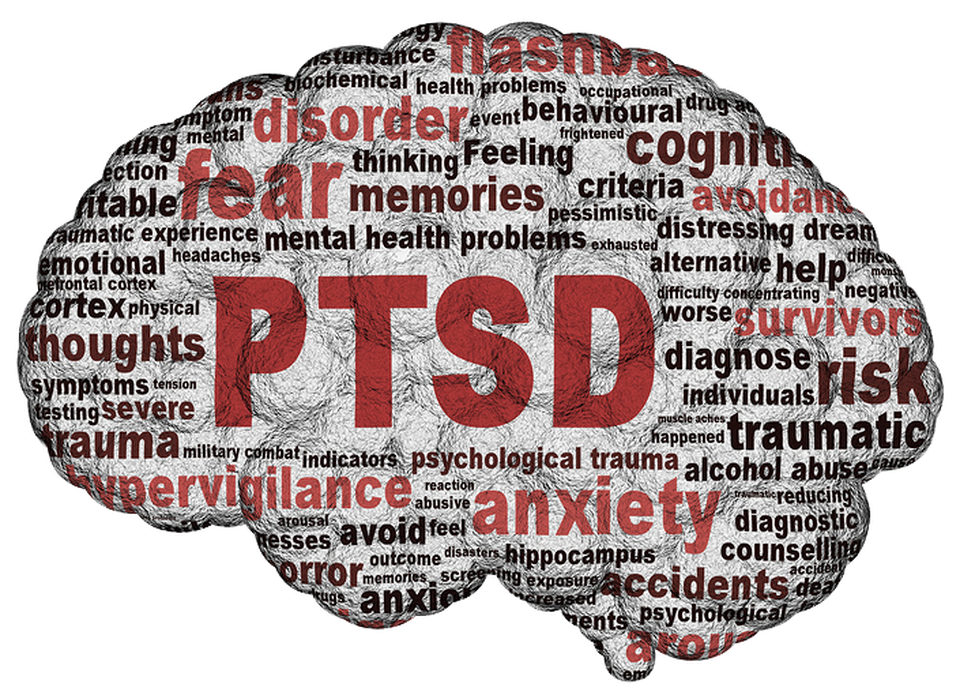
The many faces of Trauma: The many strategies in building coping skills for trauma triggers. Not ONE solution fits all!
Trauma can have a profound and lasting impact on an individual’s mental, emotional, and physical well-being. When a person experiences trauma, their brain and body often react in ways that can be triggered long after the initial event. These triggers can bring back painful memories, emotions, and sensations, making it difficult to navigate daily life. Developing effective coping skills is essential for managing these triggers and fostering long-term healing and resilience.
The information provided below explores strategies to build coping skills for various types of trauma triggers, offering a comprehensive guide to regaining control and finding peace. First and foremost, let’s decipher what these triggers can be and how to be self-aware.
Understanding Trauma Triggers
Trauma triggers are stimuli that remind an individual of a past traumatic event. These triggers can be anything from a specific smell, sound, or sight to more abstract things like a certain time of year or a particular feeling. When someone encounters a trigger, their body may respond with a fight, flight, or freeze reaction, causing intense emotional and physical distress.
Triggers can be categorized into different types:
- Sensory Triggers: These are triggered by sensory input, such as smells, sounds, or sights that remind the individual of the trauma.
- Emotional Triggers: These occur when an emotion, such as fear or sadness, reminds the person of how they felt during the traumatic event.
- Environmental Triggers: These involve specific places, situations, or social settings that are reminiscent of the trauma.
- Cognitive Triggers: These involve thoughts, memories, or flashbacks that directly relate to the traumatic experience.
Given the wide range of triggers, it’s crucial to develop coping strategies that address the specific needs of each type.
Strategies for Building Coping Skills
1. Grounding Techniques
Grounding techniques are strategies that help anchor you to the present moment, making it easier to manage the overwhelming emotions that come with trauma triggers. Here are some effective grounding exercises:
- 5-4-3-2-1 Technique: This technique involves focusing on your senses to bring yourself back to the present. Identify five things you can see, four things you can feel, three things you can hear, two things you can smell, and one thing you can taste.
- Deep Breathing: Practice slow, deep breaths to calm your nervous system. Breathe in for a count of four, hold for four, and exhale for four. Repeat this until you feel more centered.
- Touching Objects: Carry a small object with you, like a smooth stone or a piece of fabric. When triggered, focus on how it feels in your hand to distract from the trigger.
2. Mindfulness and Meditation
Mindfulness involves being fully present in the moment and observing your thoughts and feelings without judgment. Meditation can help reinforce mindfulness by training your brain to stay focused and calm.
- Body Scan Meditation: This meditation involves paying attention to different parts of your body, starting from your toes and moving up to your head, noticing any tension or discomfort.
- Mindful Breathing: Focus on your breath, paying attention to the sensation of air entering and leaving your body. This can help reduce anxiety and bring your attention away from the trigger.
- Observing Thoughts: When a traumatic memory or thought arises, practice observing it as if you’re watching it on a screen. Acknowledge it, but let it pass without getting caught up in it.
3. Cognitive Behavioral Techniques
Cognitive Behavioral Therapy (CBT) focuses on changing the thought patterns that contribute to distress. These techniques can be adapted to help cope with trauma triggers:
- Thought Stopping: When a distressing thought enters your mind, mentally say “stop” and redirect your focus to something positive or neutral.
- Cognitive Restructuring: Challenge negative thoughts associated with the trauma. For example, if you’re triggered by a situation that makes you feel powerless, remind yourself of your strengths and abilities.
- Journaling: Writing down your thoughts and feelings can help you process and understand them better. Journaling about your triggers can also help you identify patterns and develop strategies to manage them.
4. Self-Soothing Techniques
Self-soothing involves using your senses to comfort yourself and reduce distress. These techniques are particularly helpful when dealing with sensory and emotional triggers:
- Aromatherapy: Use calming scents like lavender or chamomile to help relax your mind and body.
- Music Therapy: Create a playlist of songs that help you feel safe and grounded. Listening to music can distract you from triggers and improve your mood.
- Warm Baths: The sensation of warm water can be soothing and help you relax when you’re feeling overwhelmed.
5. Physical Activity
Exercise is a powerful tool for managing trauma triggers. Physical activity helps release tension, reduce stress, and improve overall mental health.
- Walking or Running: Engaging in regular walking or running can help clear your mind and release endorphins, the body’s natural stress relievers.
- Yoga: Yoga combines physical movement with mindfulness and breath control, making it an excellent practice for managing triggers. Poses like child’s pose or savasana can be particularly calming.
- Dance or Movement Therapy: Expressing yourself through movement can help release emotions that are difficult to articulate, reducing the impact of triggers.
6. Building a Support System
Having a strong support network is crucial for managing trauma triggers. Surround yourself with people who understand your experiences and can offer comfort and advice.
- Talk to Someone You Trust: When you feel triggered, reach out to a friend, family member, or therapist who can provide support.
- Join Support Groups: Participating in support groups, either in-person or online, can help you connect with others who have experienced similar trauma. Sharing your experiences and coping strategies can be incredibly validating and empowering.
- Create a Crisis Plan: Work with your support network to create a crisis plan for moments when you feel overwhelmed. This plan might include people to call, places to go, and steps to take to help you stay safe and grounded.
7. Professional Help
While self-help strategies are invaluable, professional help is often necessary for deeply rooted trauma. Therapists trained in trauma-focused therapies can provide tailored support and guidance.
- Eye Movement Desensitization and Reprocessing (EMDR): EMDR is a therapeutic technique that helps process and reduce the intensity of traumatic memories and their associated triggers.
- Trauma-Focused Cognitive Behavioral Therapy (TF-CBT): TF-CBT combines elements of CBT with a focus on the trauma, helping individuals reframe their thoughts and manage their triggers more effectively.
- Somatic Experiencing: This therapy focuses on the body’s responses to trauma, helping individuals release stored tension and reduce the impact of triggers.
8. Lifestyle Adjustments
Certain lifestyle changes can help reduce the frequency and intensity of trauma triggers, contributing to overall well-being.
- Establish a Routine: Having a consistent daily routine can create a sense of stability and predictability, reducing anxiety and helping you manage triggers.
- Sleep Hygiene: Prioritize good sleep habits, as sleep deprivation can make it harder to cope with triggers. Establish a relaxing bedtime routine and aim for 7-9 hours of sleep each night.
- Healthy Eating: A balanced diet supports mental health and can help stabilize your mood. Incorporate whole foods, such as fruits, vegetables, and lean proteins, into your meals.
9. Creative Expression
Creative outlets can provide a healthy way to process trauma and manage triggers. Engaging in art, writing, or other forms of creative expression can help release pent-up emotions and foster healing.
- Art Therapy: Drawing, painting, or sculpting can help you express emotions that may be difficult to put into words. This can be particularly helpful for those who struggle to articulate their trauma verbally.
- Writing and Poetry: Journaling, writing stories, or composing poetry can be a therapeutic way to explore your thoughts and feelings. Putting your experiences into words can help you gain perspective and process your trauma.
- Music and Singing: Playing an instrument, singing, or even just listening to music can be a powerful way to cope with triggers. Music has the ability to soothe, uplift, and provide an emotional release.
Building these coping skills is a journey of self-discovery, patience, and resilience. By incorporating a combination of grounding techniques, mindfulness, cognitive strategies, physical activity, and creative expression, individuals can learn to manage their triggers and reduce their impact. It’s important to remember that seeking professional help and building a strong support system are also key components of healing.
Trauma may leave lasting scars, but with the right coping strategies, it’s possible to regain control, find peace, and build a life filled with hope and resilience. Healing is a gradual process, but with consistent effort and self-compassion, you can move forward and thrive.

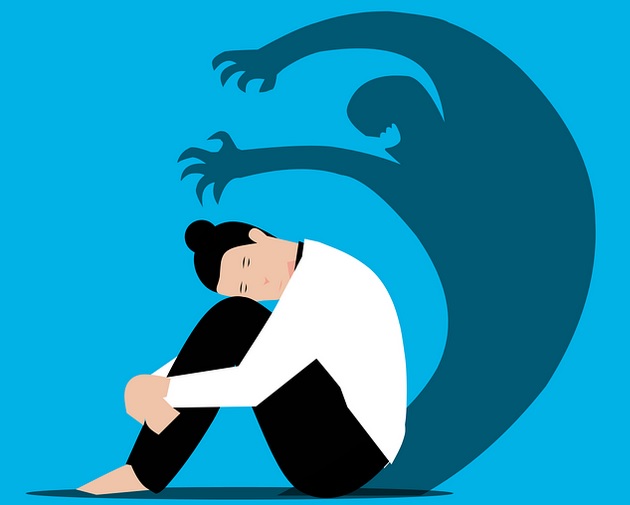
Knowing oneself: The importance in understanding your body’s physiological responses to anxiety: Differentiate between reality and make belief!
Understanding oneself, particularly in the context of anxiety and its physiological responses, is crucial for mental health and overall well-being. The distinction between reality and make-believe in the experience of anxiety is fundamental to managing and overcoming it. Let’s delve more into this topic and decide what is real or make-belief!.
1. Introduction to Self-Awareness and Anxiety
1.1. Self-Awareness
Self-awareness refers to the ability to recognize and understand one’s emotions, thoughts, and behaviors. It is a critical component of emotional intelligence and involves being in tune with your internal states and how you react to external stimuli. Self-awareness is the foundation for personal growth, as it enables individuals to identify areas of strength and areas that require development.
1.2. Anxiety and Its Role in Human Experience
Anxiety is a natural response to stress or perceived danger, triggering the body’s fight-or-flight response. While occasional anxiety is a normal part of life, chronic anxiety can be debilitating. Understanding anxiety involves recognizing its physiological manifestations and learning to differentiate between real threats and imagined ones.
2. Physiological Responses to Anxiety
2.1. The Fight-or-Flight Response
When the brain perceives a threat, it activates the autonomic nervous system, releasing stress hormones like adrenaline and cortisol. This triggers the fight-or-flight response, which includes:
- Increased heart rate: The heart pumps more blood to muscles, preparing the body for quick action.
- Rapid breathing: The lungs take in more oxygen to fuel muscles.
- Sweating: The body cools itself down to prevent overheating during exertion.
- Muscle tension: Muscles tighten to prepare for potential physical activity.
- Dilated pupils: Eyes widen to improve vision and focus on potential threats.
- Digestive changes: The body diverts energy from digestion to more critical functions, leading to symptoms like nausea or a “knot” in the stomach.
2.2. Chronic Anxiety and Its Effects
When anxiety becomes chronic, the constant activation of the fight-or-flight response can lead to long-term health issues, such as:
- Cardiovascular problems: Persistent high blood pressure and heart rate can strain the heart.
- Sleep disturbances: Anxiety often leads to insomnia or restless sleep, further exacerbating stress.
- Weakened immune system: Chronic stress suppresses immune function, making the body more susceptible to illness.
- Muscle pain and tension: Continuous muscle tension can cause pain, particularly in the neck, shoulders, and back.
- Gastrointestinal issues: Ongoing anxiety can lead to chronic digestive problems, such as irritable bowel syndrome (IBS).
3. Differentiating Between Reality and Make-Belief
3.1. Perception vs. Reality
Anxiety can distort perception, making imagined threats seem as real as actual dangers. This is due to the brain’s inability to distinguish between real and perceived threats when anxious. Understanding this distinction is crucial for managing anxiety effectively.
3.2. Cognitive Distortions
Cognitive distortions are irrational thought patterns that fuel anxiety. Some common distortions include:
- Catastrophizing: Expecting the worst possible outcome, even if it’s unlikely.
- Overgeneralization: Drawing broad conclusions from a single event (e.g., believing you always fail because of one failure).
- Mind Reading: Assuming you know what others are thinking, often imagining they think negatively about you.
- Fortune Telling: Predicting the future negatively, assuming things will go wrong.
- Black-and-White Thinking: Seeing things in extremes, without recognizing the gray areas in between.
3.3. Reality Testing
Reality testing is a cognitive-behavioral technique that helps individuals differentiate between real threats and imagined ones. It involves:
- Questioning the Evidence: Ask yourself, “What evidence do I have that this fear is true?” Often, the evidence will be scant or based on assumptions rather than facts.
- Considering Alternative Explanations: Look for other possible reasons for the situation. For example, if someone doesn’t reply to your message immediately, it doesn’t necessarily mean they’re upset with you—they might simply be busy.
- Evaluating the Likelihood: Assess the actual probability of your feared outcome occurring. Is it as likely as your anxiety suggests?
- Seeking Feedback: Sometimes, talking to someone you trust can help provide a more objective perspective on your fears.
4. The Importance of Knowing Your Body’s Responses
4.1. Early Detection and Intervention
Recognizing the early signs of anxiety is vital for managing it before it escalates. Each individual has unique physiological responses to anxiety, and being aware of these can help in early detection. For instance:
- Recognize Triggers: Identifying what triggers your anxiety can help you prepare for or avoid certain situations.
- Physical Cues: Notice your body’s cues—such as muscle tension, a racing heart, or shallow breathing—that signal rising anxiety.
4.2. Developing Personalized Coping Strategies
Understanding your specific responses allows you to tailor coping strategies that work best for you. Common techniques include:
- Deep Breathing: Slow, deep breaths can counteract the rapid breathing associated with anxiety, helping to calm the nervous system.
- Progressive Muscle Relaxation: This involves tensing and then relaxing each muscle group, reducing overall tension.
- Mindfulness and Meditation: These practices help you stay present, reducing the impact of worries about the past or future.
- Grounding Techniques: Grounding exercises, like focusing on the five senses, can anchor you in the present moment and reduce anxiety.
- Physical Exercise: Regular exercise helps manage stress hormones and releases endorphins, which improve mood.
5. The Mind-Body Connection
5.1. Understanding the Interaction Between Mind and Body
The mind and body are deeply interconnected. Emotional states can manifest physically, and physical states can influence emotions. Anxiety is a prime example of this interaction, where mental stress leads to physical symptoms, which in turn can exacerbate the mental experience.
5.2. Yoga and Meditation
Practices like yoga and meditation are particularly effective in strengthening the mind-body connection. They teach you to be more aware of your body’s signals and help in regulating the stress response.
5.3. Journaling
Keeping a journal where you document your thoughts, feelings, and physical responses to anxiety can be incredibly helpful. It allows you to track patterns, identify triggers, and see progress over time.
6. The Role of Therapy and Professional Support
6.1. Cognitive-Behavioral Therapy (CBT)
CBT is a widely used therapeutic approach for anxiety. It focuses on identifying and changing negative thought patterns and behaviors that contribute to anxiety. Through CBT, individuals learn to test the reality of their thoughts and develop healthier ways of thinking.
6.2. Biofeedback and Neurofeedback
These techniques involve using electronic monitoring devices to gain awareness of physiological functions, such as heart rate or brain wave patterns. By learning to control these responses, individuals can reduce anxiety.
6.3. Medication
In some cases, medication may be necessary to manage anxiety. Antidepressants, benzodiazepines, and beta-blockers are commonly prescribed. However, medication should be used in conjunction with therapy for the best results.
7. Practical Applications
7.1. Daily Mindfulness Practice
Incorporating mindfulness into your daily routine can significantly reduce anxiety. Start with a few minutes of focused breathing each morning or before bed.
7.2. Routine Physical Activity
Regular exercise is not only good for physical health but also crucial for mental well-being. Aim for at least 30 minutes of moderate exercise most days of the week.
7.3. Healthy Sleep Habits
Adequate sleep is essential for managing anxiety. Develop a consistent sleep routine, and create a restful environment to improve sleep quality.
What’s important to remember!
Understanding oneself, particularly how your body responds to anxiety, is a cornerstone of mental health. Differentiating between real and imagined threats allows you to manage anxiety more effectively. By becoming more self-aware, recognizing physiological cues, and employing appropriate coping strategies, you can reduce anxiety’s impact on your life. This knowledge empowers you to live more fully and confidently, knowing that you have the tools to handle whatever challenges arise.
The journey to knowing oneself and managing anxiety is ongoing. It requires patience, practice, and often professional support. However, the rewards—greater peace of mind, improved physical health, and a more fulfilling life—are well worth the effort. Embrace the process of self-discovery and trust in your ability to navigate the complexities of anxiety.

The many faces of anxiety: Does the latter affect more than just the brain? Is it just mental or the physical gets affected? Let’s tackle each spectrum.
Anxiety is a complex condition that impacts more than just the brain, with both mental and physical symptoms affecting many areas of a person’s life. If not promptly and effectively treated with medication or psychotherapy, anxiety can lead to long-term consequences. Ignoring the symptoms can result in not only mental but also physical and social issues. Let’s examine how anxiety affects different dimensions of health and well-being.
Mental and Emotional Effects
- Cognitive Impairment: Anxiety can significantly affect cognitive functions such as memory, attention, and decision-making. People with anxiety often experience racing thoughts, difficulty concentrating, and intrusive worries, which can impair their ability to function effectively in daily tasks and professional responsibilities.
- Emotional Distress: Anxiety disorders often come with heightened emotional sensitivity. Individuals may feel overwhelmed, fearful, and experience mood swings. This emotional distress can lead to irritability, frustration, and a general sense of unease, making it challenging to maintain emotional stability.
Physical Effects
- Cardiovascular System: Anxiety triggers the body’s “fight or flight” response, which can lead to increased heart rate, palpitations, and elevated blood pressure. Chronic anxiety can contribute to long-term cardiovascular issues, including heart disease and hypertension.
- Respiratory System: Anxiety can cause rapid, shallow breathing or hyperventilation, leading to respiratory problems. People with anxiety may feel short of breath, even when there is no physical exertion, exacerbating feelings of panic and discomfort.
- Digestive System: The gut-brain connection is well-documented, and anxiety can significantly impact the digestive system. Symptoms such as nausea, stomach cramps, irritable bowel syndrome (IBS), and changes in appetite are common. Chronic anxiety can disrupt normal digestive processes, leading to long-term gastrointestinal issues.
- Musculoskeletal System: Anxiety often leads to muscle tension, resulting in aches, pains, and headaches. Chronic muscle tension can contribute to conditions like tension headaches, migraines, and musculoskeletal pain, further affecting physical well-being.
- Immune System: Chronic anxiety can weaken the immune system, making individuals more susceptible to infections and illnesses. The constant state of stress associated with anxiety can reduce the body’s ability to fight off pathogens effectively.
Social and Behavioral Effects
- Social Interaction: Anxiety can severely impact social interactions and relationships. Individuals may avoid social situations due to fear of judgment or embarrassment, leading to isolation and loneliness. This social withdrawal can exacerbate feelings of anxiety and depression, creating a vicious cycle.
- Behavioral Changes: Anxiety can lead to various behavioral changes, such as increased reliance on substances like alcohol or drugs as coping mechanisms. It may also result in unhealthy habits like overeating, smoking, or excessive caffeine consumption, further affecting overall health.
- Sleep Disturbances: Anxiety often disrupts sleep patterns, leading to insomnia or poor-quality sleep. Lack of restorative sleep can worsen anxiety symptoms, reduce cognitive function, and negatively impact physical health.
Addressing Anxiety Holistically
- Mental Health Support: Seeking professional help from therapists or counselors can provide valuable strategies for managing anxiety. Cognitive-behavioral therapy (CBT), mindfulness, and other therapeutic techniques can help individuals understand and manage their anxiety better.
- Physical Health Interventions: Regular exercise, a balanced diet, and adequate sleep are crucial in managing anxiety. Physical activity releases endorphins, which can help reduce anxiety symptoms, while a nutritious diet supports overall well-being.
- Social Support: Building a strong support network of friends, family, or support groups can provide emotional support and reduce feelings of isolation. Sharing experiences and coping strategies can be beneficial in managing anxiety.
- Lifestyle Changes: Incorporating relaxation techniques such as yoga, meditation, and deep-breathing exercises can help reduce stress levels. Reducing caffeine and alcohol intake, establishing a regular sleep routine, and practicing self-care can also significantly impact anxiety management.
Anxiety is a complex condition that impacts both the mind and body. Recognizing its multifaceted effects can enable individuals to seek the right interventions and adopt strategies to manage anxiety effectively, thereby enhancing overall quality of life. Don’t let anxiety dominate your life by taking over your mind and body. Numerous treatments and mental health professionals are available to provide talk therapy and coping mechanisms. Staying silent about your mental health won’t help; not speaking out can have long-term detrimental effects on your well-being. Reach out to community members for support and ask your doctor for mental health referrals. Take steps to improve your well-being.


The Unseen Struggles of Anxiety: Understanding Intrusive Thoughts and How to Overcome Them

Anxiety is a common mental health condition that affects millions of people worldwide. While many are familiar with its more apparent symptoms—such as restlessness, rapid heartbeat, and excessive worrying—there are deeper, less visible struggles that often go unnoticed. One of the most challenging aspects of anxiety is dealing with intrusive thoughts. These unwelcome, involuntary thoughts can be distressing and overwhelming. Understanding what intrusive thoughts are and learning effective strategies to manage them can provide significant relief for even the most anxious individuals.
What Are Intrusive Thoughts?
Intrusive thoughts are unwanted, involuntary thoughts, images, or urges that can be disturbing and difficult to manage. They often appear suddenly and can be about anything, including fears, worries, or past traumatic experiences. For someone with anxiety, these thoughts can be particularly distressing because they may fixate on them, leading to increased anxiety and emotional turmoil.
Intrusive thoughts can manifest in various forms:
- Obsessive Thoughts: Recurrent, persistent thoughts that are difficult to ignore or suppress.
- Negative Imagery: Disturbing mental images that can provoke fear or distress.
- Impulsive Urges: Sudden, intense urges to do something harmful or inappropriate, despite having no intention of acting on them.
Why Do Intrusive Thoughts Occur?
These thoughts are a natural part of the human experience and occur in everyone to some extent. However, for individuals with anxiety, these thoughts can become more frequent and intense. Several factors contribute to the occurrence of intrusive thoughts:
- Stress: High levels of stress can trigger or exacerbate intrusive thoughts.
- Trauma: Past traumatic experiences can lead to recurrent intrusive thoughts related to the trauma.
- Mental Health Disorders: Conditions such as Obsessive-Compulsive Disorder (OCD), Post-Traumatic Stress Disorder (PTSD), and Generalized Anxiety Disorder (GAD) are often associated with intrusive thoughts.
- Biological Factors: Imbalances in brain chemistry and genetic predispositions can play a role.
Effective Strategies to overcome these challenging thoughts
While intrusive thoughts can be challenging to manage, several strategies can help individuals cope with and reduce their impact. Here are some effective methods:
- Cognitive Behavioral Therapy (CBT)
- Description: CBT is a type of psychotherapy that helps individuals identify and change negative thought patterns and behaviors. It is highly effective for treating anxiety and intrusive thoughts.
- How it Helps: Through CBT, individuals learn to challenge and reframe their intrusive thoughts, reducing their power and frequency.
- Mindfulness and Meditation
- Description: Mindfulness involves staying present and fully engaging with the current moment without judgment. Meditation practices can help cultivate mindfulness.
- How it Helps: By practicing mindfulness, individuals can observe their intrusive thoughts without reacting to them, which can decrease their intensity and frequency.
- Exposure and Response Prevention (ERP)
- Description: ERP is a type of therapy commonly used for OCD, where individuals are gradually exposed to their fears and taught to refrain from engaging in compulsive behaviors.
- How it Helps: This method helps reduce the anxiety associated with intrusive thoughts by desensitizing individuals to their triggers.
- Medication
- Description: Certain medications, such as selective serotonin reuptake inhibitors (SSRIs) and benzodiazepines, can help manage anxiety symptoms.
- How it Helps: Medications can help regulate brain chemistry, reducing the frequency and intensity of intrusive thoughts.
- Healthy Lifestyle Choices
- Description: Maintaining a healthy lifestyle through regular exercise, a balanced diet, adequate sleep, and stress management techniques.
- How it Helps: A healthy body can contribute to a healthier mind, reducing overall anxiety and its symptoms.
- Journaling
- Description: Writing down thoughts and feelings in a journal.
- How it Helps: Journaling can provide an outlet for expressing and processing intrusive thoughts, making them feel less overwhelming.
- Support Groups and Therapy
- Description: Joining support groups or seeking therapy can provide a sense of community and professional guidance.
- How it Helps: Sharing experiences and receiving support from others can alleviate feelings of isolation and provide practical coping strategies.
Intrusive thoughts are a challenging aspect of anxiety, but understanding their nature and implementing effective strategies can make a significant difference. By employing techniques such as CBT, mindfulness, ERP, medication, healthy lifestyle choices, journaling, and seeking support, even the most anxious individuals can learn to manage and overcome their intrusive thoughts. With persistence and the right approach, it is possible to reduce the impact of these thoughts and lead a more peaceful, fulfilling life.

The hidden signs of unprocessed trauma: What to look for, how to understand them and stay away from denial at all cost. The many difficult challenges ahead!
Unprocessed trauma can cast a long shadow over one’s life, often manifesting in ways that are not immediately obvious. Recognizing these hidden signs, understanding their implications, and confronting them without falling into denial is crucial for healing and moving forward. This article explores the subtle indicators of unprocessed trauma, provides insights into comprehending these signs, and emphasizes the importance of avoiding denial despite the difficult challenges that lie ahead.
Question is: How to recognize these hidden signs?
Trauma can stem from various experiences, including abuse, accidents, natural disasters, or significant loss. While some trauma symptoms are immediate and apparent, others are more insidious and can remain unnoticed for years. Here are some examples:
Emotional Numbness:
What to Look For: An inability to feel emotions fully, experiencing a persistent sense of detachment or emptiness.
Understanding It: Emotional numbness serves as a protective mechanism, shielding the individual from the intense pain associated with trauma.
Hypervigilance:
What to Look For: Constantly feeling on edge, easily startled, or excessively aware of surroundings.
Understanding It: This heightened state of alertness is the body’s way of staying prepared for potential threats, a residue from the traumatic experience.
Avoidance Behaviors:
What to Look For: Avoiding people, places, or activities that remind one of the trauma; engaging in excessive work or hobbies to distract oneself.
Understanding It: Avoidance is a common coping strategy to prevent re-experiencing the trauma or associated distress.
Physical Symptoms:
What to Look For: Unexplained aches and pains, gastrointestinal issues, or chronic fatigue.
Understanding It: Trauma can manifest physically due to the mind-body connection. The stress and anxiety from unprocessed trauma can affect physical health.
Cognitive Difficulties:
What to Look For: Memory problems, difficulty concentrating, or frequent confusion.
Understanding It: Trauma can impair cognitive functions as the brain struggles to process and integrate traumatic memories.
Negative Self-Perception:
What to Look For: Persistent feelings of guilt, shame, or worthlessness.
Understanding It: Traumatic experiences can distort self-image and lead to internalized negative beliefs.
Interpersonal Issues:
What to Look For: Difficulty forming or maintaining relationships, trust issues, or frequent conflicts with others.
Understanding It: Trauma can affect one’s ability to connect with others and may lead to patterns of isolation or dysfunctional relationships.
Self-recognition is clearing the path to better future.
Recognizing the many signs of unprocessed trauma is the first step toward understanding its intricacies. Each symptom serves as a clue, pointing to underlying distress that has not been adequately addressed. Here’s how to deepen your understanding and be more self-aware of the signs when they surface:
Self-Reflection and Awareness:
Take time to reflect on your experiences and emotional responses. Journaling can be a helpful tool for identifying patterns and triggers.
Education and Knowledge:
Educate yourself about trauma and its effects. Understanding the biological and psychological impact of trauma can demystify your experiences and reduce feelings of isolation.
Professional Help:
Seek guidance from mental health professionals who specialize in trauma. Therapists can provide insights and strategies for coping with and processing trauma.
Support Networks:
Engage with support groups or trusted individuals who can offer empathy and understanding. Sharing your experiences with others who have faced similar challenges can be validating and healing.
Unfortunate circumstances of the many out there dealing with trauma.
Denial is a common but counterproductive response to trauma. It can offer temporary relief but ultimately hinders healing and recovery. Here’s how to confront denial:
Acknowledge Your Feelings:
Validate your emotions and experiences. Accepting that your feelings are legitimate is crucial for overcoming denial.
Challenge Avoidance:
Gradually expose yourself to avoided situations or memories in a controlled manner. This can help desensitize you to the trauma and reduce avoidance behaviors.
Seek Validation:
Talk to trusted friends, family, or therapists who can affirm your experiences and feelings. External validation can counteract self-doubt and denial.
Practice Mindfulness:
Engage in mindfulness practices to stay present and grounded. This can help you face your emotions without becoming overwhelmed.
Create a Safe Space:
Establish environments where you feel secure and supported. This can facilitate the processing of traumatic memories.
What should we expect in the near future?
Confronting and processing trauma is a challenging journey that requires resilience and support. Here are some challenges you may face and strategies to overcome them:
Emotional Overwhelm:
Challenge: Facing traumatic memories can trigger intense emotions.
Strategy: Practice grounding techniques and seek therapeutic support to manage emotional overwhelm.
Resistance to Change:
Challenge: The familiarity of old patterns can make change difficult.
Strategy: Set small, achievable goals and celebrate progress to build momentum.
Relapses and Setbacks:
Challenge: Periodic relapses into old symptoms or behaviors.
Strategy: View setbacks as part of the healing process and not as failures. Learn from them and continue moving forward.
Navigating Relationships:
Challenge: Trauma can strain relationships and trust.
Strategy: Communicate openly with loved ones and seek relationship counseling if needed.
Maintaining Motivation:
Challenge: The long healing journey can be exhausting.
Strategy: Find sources of inspiration and remind yourself of your progress and goals.
Always keep in mind that unprocessed trauma can profoundly impact every aspect of life, often in ways that are not immediately apparent. By recognizing the hidden signs, understanding their implications, and steadfastly confronting denial, you can begin the journey toward healing and fulfillment. Despite the many challenges ahead, with resilience, support, and the right strategies, it is possible to process trauma and reclaim your life. Remember, acknowledging and addressing trauma is a courageous and transformative step toward a healthier and more fulfilling future.


Perfectionism and anxiety: The terrible duo making lives a living hell. How to let go of that obsession of always wanting to be perfect? Challenge accepted!
In the pursuit of perfection, many find themselves trapped in a cycle of anxiety and self-doubt. Perfectionism, characterized by an unrelenting desire to achieve flawless results, often leads to heightened stress levels and a diminished sense of self-worth. Coupled with anxiety, this toxic duo can make life feel like an endless struggle, but breaking free from their grip is possible with the right strategies and mindset shifts.
Understanding Perfectionism and Anxiety
Perfectionism stems from a fear of failure and a need for external validation. Those afflicted by it set impossibly high standards for themselves, constantly striving for flawlessness in every aspect of their lives. However, this relentless pursuit often results in chronic stress, procrastination, and feelings of inadequacy.
Anxiety exacerbates the effects of perfectionism, magnifying worries about making mistakes or falling short of expectations. The fear of failure becomes paralyzing, preventing individuals from taking risks or pursuing their goals. As a result, they may experience symptoms such as racing thoughts, difficulty concentrating, and physical tension.
The Consequences of Perfectionism and Anxiety
Perfectionism and anxiety can take a significant toll on mental and physical well-being. Chronic stress, a hallmark of both conditions, can lead to burnout, insomnia, and even depression. Relationships may suffer as individuals become overly critical of themselves and others, unable to accept imperfections or setbacks gracefully.
In the workplace, perfectionism can hinder productivity and innovation, as individuals prioritize avoiding mistakes over taking calculated risks. This fear of failure stifles creativity and prevents people from reaching their full potential. Additionally, the constant pressure to excel can strain interpersonal relationships and contribute to a toxic work environment.

Letting Go of Perfectionism: A difficult Challenge to break free
Breaking free from the grip of perfectionism and anxiety requires a combination of self-awareness, self-compassion, and practical strategies. Here are some steps to begin the journey towards letting go of perfectionism:
- Challenge Unrealistic Standards: Recognize that perfection is unattainable and that mistakes are a natural part of the learning process. Set realistic goals and celebrate progress rather than fixating on outcomes.
- Practice Self-Compassion: Treat yourself with the same kindness and understanding you would offer a friend. Acknowledge your efforts and achievements, no matter how small, and forgive yourself for perceived shortcomings.
- Reframe Failure as Growth: View setbacks as opportunities for learning and personal growth rather than evidence of inadequacy. Embrace a growth mindset, understanding that resilience is built through adversity.
- Set Boundaries: Learn to prioritize self-care and establish boundaries to protect your well-being. Say no to unrealistic demands and delegate tasks when necessary to avoid overextending yourself.
- Cultivate Mindfulness: Practice mindfulness techniques such as deep breathing, meditation, or yoga to cultivate present-moment awareness and reduce stress. Focus on the here and now rather than dwelling on past mistakes or future worries.
- Seek Support: Don’t hesitate to reach out to friends, family, or a therapist for support. Sharing your struggles with others can provide perspective, validation, and encouragement on your journey towards self-acceptance.
- Celebrate Imperfection: Embrace the beauty of imperfection and cultivate gratitude for the unique qualities that make you who you are. Remember that life is messy, and growth often arises from the unexpected twists and turns along the way.
Perfectionism and anxiety can indeed make lives feel like a living hell, but they don’t have to define our existence. By challenging the obsession with perfection and adopting a more compassionate and resilient mindset, we can break free from their grip and embrace a life filled with authenticity, joy, and fulfillment. It’s a challenge worth accepting—one that leads to greater self-awareness, resilience, and ultimately, a deeper sense of peace.


Power of meditation: Can meditation help you reduce the symptoms of anxiety and what are the long term benefits of such a practice?
Meditation has emerged as a powerful tool in managing and reducing the symptoms of anxiety. At its core, anxiety often stems from the mind’s tendency to ruminate on past events or worry about the future, leading to heightened stress levels and a sense of unease. Through regular meditation practice, individuals learn to cultivate present-moment awareness, gently guiding their attention away from intrusive thoughts and towards the sensations of the here and now.
One of the key mechanisms through which meditation mitigates anxiety is by inducing a state of relaxation and calmness. By focusing on the breath or a specific point of attention, practitioners engage in deep, diaphragmatic breathing, activating the body’s relaxation response and counteracting the physiological arousal associated with anxiety. This deliberate shift in focus helps to interrupt the cycle of anxious thoughts and bodily tension, promoting a sense of tranquility and ease.
Moreover, meditation encourages individuals to develop a non-judgmental attitude towards their thoughts and emotions. Rather than becoming entangled in the content of their anxious thoughts, practitioners learn to observe them with a sense of detachment and curiosity. This mindful awareness allows individuals to recognize their thoughts as transient mental events, rather than rigid representations of reality. By creating space between themselves and their anxious thoughts, individuals develop greater resilience and emotional regulation, reducing the intensity and frequency of anxiety symptoms.
Beyond its immediate calming effects, the long-term benefits of meditation for anxiety are profound and multifaceted. Through consistent practice, individuals cultivate greater self-awareness and insight into the underlying patterns and triggers of their anxiety. By becoming attuned to the early warning signs of anxiety, practitioners can intervene proactively, implementing coping strategies and relaxation techniques before symptoms escalate.
Furthermore, meditation fosters a sense of inner peace and equanimity that transcends the fluctuations of external circumstances. As individuals deepen their meditation practice, they develop a heightened capacity to navigate life’s challenges with grace and resilience. Rather than becoming overwhelmed by stressors or setbacks, practitioners learn to respond with greater clarity, compassion, and perspective.
Importantly, the benefits of meditation extend beyond the realm of mental health, exerting positive effects on physical well-being as well. Research has shown that regular meditation practice is associated with reduced inflammation, improved immune function, and lower blood pressure—all of which contribute to overall resilience and vitality.
In essence, meditation offers a holistic approach to anxiety management, addressing its psychological, emotional, and physiological dimensions. By fostering present-moment awareness, cultivating self-compassion, and promoting physiological relaxation, meditation empowers individuals to break free from the grip of anxiety and cultivate a deeper sense of well-being and fulfillment in their lives.
