

Clinical Variability in Depressive Disorders: Why Individuals May Experience Different Symptom Patterns Across Time. Understanding them is key to mental health.
Depressive disorders are often misunderstood as a single, static emotional state, when in reality they are dynamic and deeply individualized conditions that can shift in form, intensity, and presentation over time. Clinicians and researchers increasingly recognize that depression does not always follow a predictable pattern. Instead, it may evolve as a result of biological changes, psychological adaptation, life circumstances, and underlying vulnerabilities. Understanding this clinical variability is essential not only for accurate diagnosis and treatment, but also for reducing stigma and improving patient self-awareness.
Depression is influenced by a complex interaction between genetics, neurobiology, personality traits, environmental stressors, and learned coping responses. At one point in a person’s life, depression may appear as profound sadness, loss of interest, and withdrawal from daily functioning. Years later, however, it may emerge as irritability, emotional numbness, or chronic fatigue rather than overt sadness. These shifts do not indicate inconsistency or exaggeration on the part of the individual; rather, they reflect how the brain and body respond to stress, trauma, hormonal changes, and evolving life demands.
Early depressive episodes are often triggered by identifiable stressors such as academic pressure, relationship changes, or grief. During this stage, symptoms may be more recognizable and easier for others to validate. Over time, however, repeated exposure to depression can alter both neural pathways and cognitive patterns. Some individuals develop patterns of emotional suppression or become highly functional while remaining internally distressed. As a result, later presentations of depression may appear more subtle, internalized, or masked by productivity, perfectionism, or chronic overwork. What was once clearly experienced as sadness may instead manifest as burnout, hopelessness, or an inability to feel pleasure.
Physiological changes across the lifespan also contribute to the shifting nature of depressive symptoms. Hormonal fluctuations, medical conditions, sleep disturbances, and aging-related brain changes can deepen or reshape how depression is expressed. For example, depression in adolescents may present as irritability or behavioral changes, while in older adults it may appear as memory difficulties, apathy, or somatic complaints such as chronic pain and fatigue. The same person may even experience depression differently across developmental stages, which can complicate diagnosis and lead to misinterpretation by family members, healthcare providers, or the individual themselves.
Another important factor in this variability is how people psychologically adapt to ongoing emotional distress. Over time, individuals often develop coping strategies that mask their symptoms, such as maintaining a busy schedule, intellectualizing emotions, or focusing intensely on caregiving or professional success. These adaptations may protect functioning in the short term but can also obscure the presence of depression, delaying help-seeking and treatment. A person may appear outwardly successful while internally experiencing significant distress, emotional emptiness, or loss of meaning, illustrating how depression can coexist with competence and achievement.
Trauma history and life experiences further shape the evolution of depressive symptoms. Unresolved trauma can shift depression toward dissociation, hypervigilance, or shame-based thinking patterns, while prolonged adversity may contribute to chronic dysthymia — a persistent, low-grade depressive state that becomes woven into one’s sense of identity. Periods of major life transition, such as career changes, parenting demands, retirement, or loss, may reactivate depressive symptoms or alter their form. The person may feel as though depression has resurfaced “in a new way,” when in reality it is responding to a new psychological context.
Recognizing the variability of depressive presentations is essential for effective clinical care. When symptoms evolve, some individuals mistakenly believe they are “no longer depressed” or that their struggles are simply personal weaknesses, character flaws, or signs of failure. Others may feel confused when therapy or medication that once worked becomes less effective over time. Understanding that depression is dynamic — and often requires periodic reassessment — encourages individuals to remain engaged in ongoing care rather than assuming that treatment has failed or that they must simply endure their symptoms.
From a therapeutic standpoint, acknowledging variability allows clinicians to tailor interventions to the current expression of the disorder. Treatment may shift between cognitive restructuring, trauma-focused approaches, behavioral activation, lifestyle intervention, or medication adjustments depending on how depression manifests at a given time. Long-term mental health outcomes improve when care is flexible rather than standardized, and when patients are encouraged to openly discuss changes in how their symptoms feel or function in their lives.
Ultimately, understanding the evolving nature of depressive disorders fosters compassion, insight, and empowerment. It reminds us that depression is not a weakness or a single emotional state, but a multifaceted condition shaped by biology, experience, and context. When individuals recognize that symptom patterns may change — and that these changes are valid and clinically meaningful — they are more likely to seek timely support, advocate for themselves in treatment settings, and develop a deeper awareness of their emotional landscape. This awareness is not only key to effective mental health care, but also to fostering resilience and self-acceptance across the many phases of life.
Learn More
Hard conversations in loving relationship: How to have healthier discussions about sexual expectations. When to “agree to disagree” related to intimacy frequency and more! Answers revealed.
Even in the most loving relationships, conversations about sex can feel surprisingly difficult. Intimacy is deeply personal, and discussions about sexual expectations often touch on vulnerability, self-worth, and emotional security. Many couples avoid these conversations not because they don’t care, but because they care deeply and fear causing harm. Yet when these topics remain unspoken, they tend to surface in other ways—through distance, resentment, or quiet disconnection.
Sex is rarely just about the physical act. It reflects how connected we feel, how safe we are emotionally, and how valued we believe we are by our partner. When two people experience intimacy differently or desire it at different levels, it can trigger powerful internal stories. One partner may interpret less frequent intimacy as rejection, while the other may experience pressure or fear of disappointing the person they love. Without open dialogue, these interpretations can slowly erode closeness.
Healthy conversations about sexual expectations begin long before the topic of frequency or desire is even raised. Emotional safety is the foundation. Choosing a calm, neutral moment allows both partners to feel grounded rather than defensive. When the conversation opens with reassurance and care instead of criticism, it signals that the goal is connection, not blame. Speaking from personal experience rather than accusation creates space for honesty on both sides.
Listening plays an equally important role. Many couples enter these conversations focused on being understood but forget the importance of understanding. When partners feel truly heard—without interruption, judgment, or the need to immediately respond—the emotional tone of the discussion shifts. Differences stop feeling like threats and start becoming shared challenges to navigate together.
Desire itself is far more complex than most people realize. It fluctuates with stress, mental health, physical well-being, hormones, life transitions, and emotional closeness. A difference in sexual desire does not mean something is broken or that love is lacking. More often, it means that two nervous systems are responding differently to life at that moment. Approaching this reality with curiosity instead of assumption can transform tension into empathy.
Conversations about intimacy frequency are most productive when they move away from demands and toward meaning. Rather than focusing solely on how often sex happens, couples benefit from exploring what intimacy represents to each of them. For some, it is reassurance and bonding; for others, it requires feeling relaxed, emotionally close, or free from pressure. When intimacy is defined broadly—encompassing affection, closeness, and emotional presence—it becomes easier to meet each other without forcing alignment.
Compromise becomes healthy when it is rooted in mutual respect rather than obligation. True compromise does not involve one partner consistently overriding their boundaries or the other suppressing their needs. Instead, it grows from collaboration, flexibility, and a shared desire to care for the relationship. When both partners feel valued, adjustments feel like teamwork rather than sacrifice.
There are times, however, when couples reach a point where differences remain despite sincere effort. In these moments, agreeing to disagree can be an act of emotional maturity. Acceptance becomes possible when both partners acknowledge the difference without resentment and continue to nurture emotional closeness. Not every difference must be solved to sustain a loving relationship.
Yet there are also situations where agreeing to disagree is no longer enough. When sexual differences lead to ongoing resentment, emotional withdrawal, or feelings of pressure or rejection, intimacy can become a source of pain rather than connection. At this stage, the issue is no longer just about sex, but about emotional safety and relational health. Seeking professional support can help uncover deeper patterns and provide a safe space for honest exploration.
Emotional intimacy often sets the stage for physical intimacy. Feeling appreciated, seen, and emotionally connected can significantly influence desire. Small, consistent moments of affection, presence, and appreciation often do more to support intimacy than any single conversation ever could. When emotional closeness grows, physical connection frequently follows in a more natural and fulfilling way.
Hard conversations about sexual expectations are not meant to divide couples—they are meant to bring them closer. They invite vulnerability, trust, and deeper understanding. Relationships are not strengthened by perfect compatibility, but by the willingness to face difficult topics with compassion and respect. When couples choose openness over avoidance and curiosity over judgment, intimacy evolves into something richer, safer, and more deeply connected.
Learn More
Lingering childhood trauma: How can it affect your career success if left untreated and ignored. Figuring out the most productive way to address the past.
Childhood trauma doesn’t stay in a box marked “past.” When left untreated or ignored, early wounds can quietly shape the way you work, lead, take risks, relate to colleagues, and tolerate stress — sometimes sabotaging career potential long before you realize it. The good news: with targeted strategies, professional help, and workplace adjustments, you can interrupt those patterns and redirect your energy toward growth and sustained success. This article explains how trauma shows up in a career, why it matters, and a practical, productive roadmap to address the past.
How childhood trauma can influence career development (the mechanisms)
- Threat-driven physiology. Trauma sensitizes the nervous system. In work settings this looks like hyper-vigilance, quick stress reactions, or freeze responses under pressure — which can limit creativity and problem-solving in high-stakes moments.
- Attachment and trust patterns. Early relational wounds shape how you relate to bosses, mentors, and teammates. You may avoid closeness (keeping colleagues at arm’s length), or you may overly depend on approval, both of which hamper authentic leadership and collaboration.
- Self-concept and belief systems. Trauma often produces internalized messages — “I’m not enough,” “I don’t deserve success,” or “If I show weakness I’ll be rejected.” These feed imposter syndrome, risk aversion, and missed opportunities.
- Emotion regulation and decision-making. Difficulty tolerating uncomfortable emotions can prompt escape behaviors (avoidance, procrastination, overwork, substance use), impulsive decisions, or chronic indecision — all costly for career trajectory.
- Performance under feedback. Trauma can make critical feedback feel like personal attack, leading to defensiveness, withdrawal, or persistent anxiety around evaluations and promotions.
- Burnout and avoidance. Unresolved trauma increases vulnerability to burnout, absenteeism, and disengagement — sometimes interpreted by employers as “poor fit” rather than a treatable health issue.
Typical workplace signs that trauma may be influencing performance
- Chronic second-guessing and perfectionism that slow projects down.
- Extreme reactions to routine feedback (catastrophizing or stonewalling).
- Difficulty maintaining boundaries (saying yes to everything) or, conversely, isolating to avoid conflict.
- Frequent job-hopping or self-sabotage near promotions.
- Physical symptoms in high-pressure situations: panic, dissociation, memory blanks.
- Recurrent interpersonal conflicts with coworkers that feel out-of-proportion.
If several of these describe you regularly, trauma-informed support may be helpful.
Why ignoring it is costly (short- and long-term)
- Short-term: missed promotions, strained relationships, reduced productivity, poor decision-making in critical moments.
- Long-term: a career path shaped by avoidance (settling for less), chronic health effects, and cumulative missed opportunities that compound over decades.
Treating trauma isn’t only about wellbeing — it’s an investment in career capital.
The most productive, evidence-aligned ways to address the past
Note: the right path depends on your needs. If you’re in crisis or having thoughts of self-harm, seek immediate professional help.
1. Start with targeted professional help
- Therapy modalities that commonly help with childhood trauma: trauma-informed cognitive-behavioral therapy (CBT), Eye Movement Desensitization and Reprocessing (EMDR), somatic therapies (which work with body sensations), and attachment-focused therapies. A trauma-informed clinician assesses safety and builds gradual exposure and regulation skills.
- Coaching + therapy combo: career coach for actionable workplace strategies together with therapy for deeper healing can accelerate progress.
2. Build emotion regulation skills first
- Learning to calm your nervous system (breathing, grounding, paced activity, simple movement) gives you more choice in stressful moments and prevents reactive behaviors that derail meetings or negotiations.
3. Reframe beliefs with evidence-based practices
- Use cognitive techniques to test “automatic thoughts” (e.g., “If I make a mistake they’ll fire me”) and replace them with realistic alternatives. Small experiments at work can disconfirm catastrophic beliefs.
4. Practice interpersonal skill-building
- Role-play difficult conversations, rehearse receiving feedback, and script boundary language. These practice runs reduce threat responses when the real moment arrives.
5. Use gradual exposure to feared career moves
- If promotions or public speaking trigger trauma-based fear, take incremental steps (present small parts of a talk, accept low-stakes leadership tasks) to build mastery.
6. Create pragmatic workplace supports
- Confidential mentoring, flexible schedules during therapy phases, or limiting meetings when you’re overloaded can make healing compatible with job demands. If disclosure is considered, plan it carefully — a brief script, clear ask (e.g., temporary flexibility), and identifying a trusted HR or manager ally.
7. Cultivate restorative routines
- Sleep hygiene, consistent movement, nutrition, and micro-recovery (short breaks, nature exposure) stabilize mood and cognition, amplifying therapeutic gains.
8. Track measurable progress
- Set small, observable goals: attend X feedback meetings without leaving early, apply for one stretch role, or reduce sick days by Y. Objective wins reinforce new identity narratives.
Tips for managers and teammates (if you’re supporting someone)
- Validate the person’s experience and focus on behaviors at work rather than assumptions about cause.
- Offer flexible support (mentorship, temporary workload adjustments) without stigmatizing language.
- Encourage use of employee assistance programs and confidential mental health resources.
- Promote a psychologically safe culture where learning from mistakes is rewarded.
Measuring success: what progress looks like
- Less reactivity to feedback, better sleep, clearer decision-making, sustained attendance, and willingness to pursue stretch assignments.
- Internal indicators: a reduced sense of shame, increased agency, and a stronger narrative of “I can grow.”
- Career indicators: completed projects, promotions pursued, improved peer relationships.
Few concluding words of effective reasoning: Healing is strategic work, not a detour
Addressing childhood trauma is not an indulgence or a career sidetrack — it is strategic professional development. When you reduce threat-based responses, correct limiting beliefs, and build interpersonal courage, you free cognitive and emotional energy to learn, lead, and take the kinds of risks that create long-term success. Start with small steps, pair therapy with practical workplace strategies, and track concrete wins. Over time, what once felt like an invisible brake can become the foundation of more honest, resilient, and fulfilling professional life.
Learn More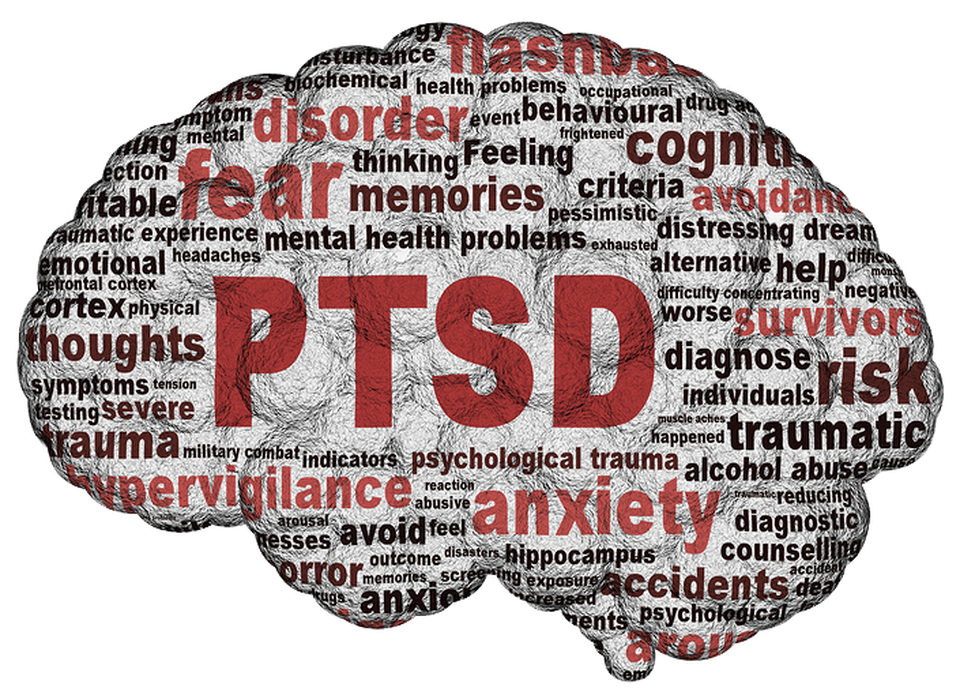
The Ugly Faces of Trauma: How Unresolved PTSD Can Affect Decision-Making and Risk-Taking
Trauma, particularly when left unprocessed, leaves profound imprints that extend far beyond the immediate moment of crisis. Post-Traumatic Stress Disorder (PTSD) is one of the most recognized outcomes of trauma, commonly associated with flashbacks, nightmares, or hyper-vigilance. Yet its influence is more insidious and widespread, reaching into some of the most fundamental aspects of human functioning: decision-making and risk-taking. These are not just psychological processes but critical life skills that shape careers, relationships, and overall well-being. When trauma remains unresolved, it distorts these processes in ways that can alter the trajectory of a person’s life.
The Neurobiology of Trauma and Decision-Making
At the root of PTSD lies the brain’s survival circuitry. During a traumatic event, the amygdala—our brain’s alarm system—becomes hyperactivated, while the prefrontal cortex, responsible for logic, reasoning, and executive decision-making, is suppressed. This evolutionary design helps ensure survival in moments of acute danger. However, in PTSD, this survival response becomes maladaptive and chronic.
The lingering hyperarousal of the amygdala means that the brain is persistently primed to detect threats, even when none exist. At the same time, the prefrontal cortex struggles to reassert control, reducing the individual’s capacity to evaluate situations rationally. Over time, this imbalance manifests as impaired judgment, difficulty assessing risks realistically, and a tendency toward either impulsive or excessively cautious decision-making. Everyday choices—from entering a new relationship to pursuing a career change—become fraught with anxiety, avoidance, or overcompensation.
The Psychology of Risk-Taking in PTSD
Risk-taking is an essential component of growth and adaptation. Yet for those with unresolved trauma, risk becomes distorted into extremes. On one end of the spectrum are individuals who engage in high-risk behaviors such as reckless driving, substance misuse, unsafe sexual practices, or financial gambling. These actions often serve as unconscious attempts to numb pain, regain a sense of control, or escape intrusive thoughts. They may also stem from a neurological craving for heightened stimulation as the traumatized brain seeks to override emotional numbness.
On the other end of the spectrum are those who retreat into rigid avoidance. These individuals may forgo opportunities, resist change, and avoid new relationships out of overwhelming fear that something will go wrong. Both extremes—reckless risk-taking and paralyzing avoidance—create barriers to personal development and long-term stability. Crucially, neither is truly about risk, but rather about coping with unresolved trauma.
The Ripple Effect on Families, Health, and Society
The consequences of PTSD-driven decision-making extend beyond the individual. Families often shoulder the burden of unpredictable behaviors, emotional withdrawal, or heightened conflict. Partners and children may feel the ripple effects of instability, eroding trust and security within the household. Over time, this can contribute to fractured family structures, cycles of intergenerational trauma, and decreased resilience in communities.
On a health level, unresolved PTSD is linked with comorbid conditions such as depression, anxiety, chronic pain, and substance use disorders. These conditions further complicate decision-making, creating a feedback loop in which unhealthy choices exacerbate both mental and physical symptoms. On a societal scale, unresolved trauma can fuel challenges such as poverty, unstable employment, increased healthcare costs, and community disconnection. In essence, untreated PTSD is not only a personal struggle but a public health concern.
Early Intervention: Rewiring the Brain and Breaking the Cycle
The hopeful reality is that PTSD, while deeply challenging, is treatable. Early intervention is critical because it prevents maladaptive decision-making patterns from becoming entrenched. Evidence-based therapies such as Cognitive Behavioral Therapy (CBT), Eye Movement Desensitization and Reprocessing (EMDR), and somatic experiencing have demonstrated strong effectiveness in helping individuals process trauma, reduce hyperarousal, and restore balance to the brain’s survival and reasoning systems.
Equally important is psychoeducation—helping individuals understand the biological and psychological mechanisms at play. When people learn that their impaired decision-making is not a moral failing but a neurological response to trauma, they can begin to reclaim agency over their choices. Developing coping strategies, building emotional regulation skills, and fostering resilience enable individuals to evaluate risks with greater clarity and confidence.
Redefining the Course of Life
Healing from trauma is not about erasing the past, but about reclaiming the present and reshaping the future. By addressing PTSD early, individuals can step away from destructive cycles of impulsivity or avoidance and toward a more intentional, empowered way of living. This shift has a profound ripple effect: healthier families, stronger communities, and ultimately, a society less burdened by the hidden costs of unresolved trauma.
Where to go from here, when PTSD affect rightful thought process and actions?
Unresolved PTSD carries many hidden faces—disrupted decision-making, distorted risk-taking, fractured relationships, and compromised health. Yet none of these outcomes are inevitable. By recognizing the subtle ways trauma shapes our choices, and by intervening early with effective therapeutic support, individuals can alter the trajectory of their lives. The journey from surviving to thriving is not simple, but it is entirely possible. With the right tools and guidance, the ugly faces of trauma can be transformed into stories of resilience, growth, and lasting happiness.
Learn More