

How cognitive distortions drive anxiety and how therapy can address them: the various ways we interpret everyday challenges and their impact on our emotions
Anxiety is more than just occasional worry—it’s a persistent, often invisible burden that can shape how we view ourselves, others, and the world around us. One of the key reasons anxiety takes hold is the way our minds interpret daily experiences. Our thoughts are not always neutral; they are filtered through mental shortcuts and patterns known as cognitive distortions. These distortions are habitual ways of thinking that exaggerate danger, personalize negative events, or twist reality in ways that fuel emotional distress. While everyone experiences them from time to time, when these distorted thoughts become automatic, they can make ordinary challenges feel overwhelming, unmanageable, or even threatening.
Take, for instance, a common scenario: a person receives a brief critique from their manager on a work project. A neutral mind might interpret this as constructive feedback, a chance to improve, or simply a normal part of professional growth. Someone under the influence of cognitive distortions, however, might immediately think, “I’m terrible at my job. I’ll never succeed. Everyone thinks I’m incompetent.” Suddenly, a simple piece of feedback has escalated into a full-blown crisis in the mind, sparking anxiety, sleeplessness, and even avoidance of future projects. This pattern illustrates the distortion of “catastrophizing,” where the mind automatically jumps to the worst-case scenario, ignoring context or evidence.
Another common example can be found in social situations. Imagine receiving a text from a friend that is brief or delayed. A rational interpretation might be, “They’re busy; they’ll reply later.” Cognitive distortions, however, can transform this into spiraling worry: “They must be upset with me. I probably did something wrong. They don’t like me anymore.” This distortion, known as “mind reading,” assumes we know others’ thoughts and intentions, often in a negative and inaccurate way. Anxiety grows because the mind fabricates threats that may not exist, and the body responds as if danger is real.
Cognitive distortions can also distort how we interpret setbacks. Picture missing a workout because of a busy schedule. A balanced perspective might say, “I’ll get back on track tomorrow.” A distorted interpretation could be, “I can never stick to anything. I’m lazy and undisciplined. I’ll never reach my goals.” Suddenly, a single missed day feels like evidence of permanent failure, and anxiety about long-term outcomes intensifies. Over time, these small daily distortions compound, creating a persistent sense of worry and inadequacy.
Therapy offers a structured and effective way to address these distorted thinking patterns. Cognitive Behavioral Therapy (CBT), one of the most researched and widely used approaches, helps individuals identify when their thoughts are inaccurate or exaggerated. It then guides them in examining the evidence for and against these beliefs, teaching them to replace automatic distortions with more balanced, realistic interpretations. For example, in the workplace critique scenario, therapy can help the client reframe their thinking: “One critique doesn’t define my abilities. I’ve successfully completed many projects, and this is a chance to improve.” Over time, this practice rewires thought patterns, reducing the emotional intensity that previously accompanied minor triggers.
Therapy also incorporates tools for regulating the physical and emotional response to anxiety. Mindfulness techniques help people stay present, preventing the mind from spiraling into catastrophic future scenarios. Grounding exercises anchor attention to the present, easing the rush of worry. Breathing techniques calm the nervous system, reducing the physical symptoms that often accompany distorted thinking, such as heart palpitations, rapid breathing, or tense muscles. These strategies create a feedback loop: calmer physical states help the mind interpret situations more realistically, further reducing anxiety.
Relatable examples of cognitive distortions abound in everyday life. Students may interpret a single low grade as proof they are “not smart enough,” ignoring the context of overall performance. Parents may see a child’s tantrum and immediately think, “I’m failing as a parent,” despite evidence of consistent nurturing and care. People navigating relationships may misinterpret neutral expressions or delayed responses as rejection or disinterest, fueling anxiety in ways that undermine connection. In each case, the distortion amplifies emotional reactions, making ordinary life experiences feel fraught with danger or failure.
Over time, the cumulative effect of cognitive distortions is profound. They affect not just mental health but decision-making, relationships, work performance, and overall quality of life. They can lead to avoidance behaviors—skipping social events, postponing tasks, or withdrawing from loved ones—because the mind predicts negative outcomes that may never occur. In essence, cognitive distortions create a self-reinforcing cycle: distorted thoughts trigger anxiety, anxiety confirms distorted thinking, and the cycle continues.
The good news is that therapy can break this cycle. By making the mind’s distortions visible, giving clients tools to challenge them, and teaching practical coping strategies, therapy empowers individuals to take control of their emotional lives. They learn to see challenges as manageable rather than catastrophic, setbacks as temporary rather than permanent, and social cues as neutral rather than threatening. Gradually, this fosters resilience, confidence, and a sense of emotional stability.
In conclusion, cognitive distortions are often silent drivers of anxiety, shaping our interpretations of everyday events in ways that magnify stress, fear, and self-doubt. They turn minor challenges into major crises in the mind and fuel emotional patterns that interfere with life. Therapy, particularly evidence-based approaches like CBT, provides tools to identify, challenge, and reframe these distorted thoughts, restoring balance and perspective. By learning to reinterpret daily experiences more accurately, individuals can reclaim a sense of control over their emotions, navigate life’s challenges with confidence, and experience less anxiety in the moments that matter most.
Learn More
Why anxiety can make you fear happiness or calm and strategies on how to eliminate this fear with psychotherapy. Take control of your mental health with the right modality!
It sounds contradictory, but many people who struggle with anxiety are not only afraid of stress—they are afraid of calm. Moments of happiness, peace, or emotional stability can trigger discomfort, racing thoughts, or even panic. Instead of enjoying the quiet, the mind begins scanning for danger. Instead of embracing joy, the body tightens as if preparing for impact. If this has happened to you, you are not broken. You are conditioned.
Anxiety is not just an emotion; it is a survival response. Over time, when someone experiences chronic stress, trauma, unpredictability, or repeated disappointment, the nervous system adapts. It learns that vigilance equals safety. Hyperawareness becomes protective. Worry becomes preparation. Tension becomes readiness. When this pattern is repeated long enough, the brain wires itself to believe that staying on guard prevents pain.
The problem is that once the nervous system is trained to operate in survival mode, calm feels unfamiliar. And what is unfamiliar often feels unsafe. If your body has spent years bracing for impact, relaxation can feel like vulnerability. The silence after chaos can feel suspicious. Peace can feel like “the calm before the storm.” The mind may whisper, “Something bad is about to happen,” simply because things are going well.
There is also a phenomenon known as fear of positive emotion. For some individuals, happiness in the past was followed by loss, criticism, betrayal, or trauma. The brain connects joy with danger, not because joy is dangerous, but because it was once paired with pain. If you allowed yourself to feel hopeful and were later hurt, your system may have concluded that hope is risky. Anxiety then steps in as a shield. It dulls excitement. It questions good news. It creates “what if” scenarios. It believes it is protecting you from future disappointment.
Control plays another powerful role. Anxiety gives an illusion of control. When you worry, you feel like you are preparing. When you analyze every possible outcome, you feel proactive. Calm, however, requires surrender. It requires trusting the present moment without rehearsing catastrophe. For someone accustomed to controlling outcomes through hypervigilance, letting go can feel terrifying. The mind may think, “If I stop worrying, I’ll miss something important.” This belief keeps the anxiety cycle intact.
Neurologically, this makes sense. The amygdala, the brain’s alarm system, becomes hypersensitive with chronic anxiety. It scans constantly for threats, even neutral or positive ones. Meanwhile, the prefrontal cortex, responsible for rational thinking and emotional regulation, can become overridden by survival responses. The body reacts before logic has a chance to intervene. This is why anxiety during happy moments feels automatic and difficult to control.
Psychotherapy is powerful because it addresses both the cognitive patterns and the physiological conditioning behind this fear. It does not simply tell you to “relax.” It helps retrain your entire system to experience safety again.
One of the first steps in therapy is psychoeducation. Understanding how anxiety works reduces secondary fear. When you learn that your nervous system is reacting out of habit—not because danger is present—you begin separating sensation from reality. Knowledge alone can reduce intensity because the unknown becomes understood.
Cognitive-based therapies help uncover the unconscious beliefs driving fear of calm. Thoughts such as “If I’m happy, something bad will follow,” “I don’t deserve peace,” or “Relaxing makes me weak” are brought into awareness. These beliefs are not criticized; they are explored. Where did they originate? What experiences shaped them? Are they still accurate today? Through restructuring and reframing, the brain gradually adopts healthier interpretations.
For individuals whose anxiety is rooted in trauma or chronic stress, somatic and trauma-informed approaches are essential. Anxiety is not only stored in thoughts; it is stored in the body. Muscle tension, shallow breathing, digestive issues, and sleep disturbances are all signs of a system stuck in survival mode. Therapeutic modalities that focus on body awareness, breath regulation, and gradual nervous system recalibration allow calm to be introduced slowly and safely. The goal is not forced relaxation but regulated safety.
Exposure-based strategies are also useful, but in a nuanced way. Instead of exposing someone to feared external situations, therapy can involve exposure to positive internal states. For example, practicing sitting with calm for short periods and noticing the urge to escape. Gradually increasing tolerance for peaceful sensations teaches the nervous system that nothing catastrophic happens when you relax. This builds emotional resilience.
Mindfulness-based therapies help individuals observe anxious thoughts without immediately reacting to them. Rather than fighting the thought “This won’t last,” you learn to notice it as a mental event, not a prophecy. Over time, this decreases the brain’s reactivity and increases emotional flexibility.
For some clients, deeper work involves identity reconstruction. When anxiety has been present for many years, it can become part of self-concept. You may unconsciously believe that being vigilant is who you are. Therapy helps separate identity from symptoms. You are not your anxiety; you are someone who developed anxiety as an adaptive response.
The process of eliminating fear of happiness does not happen overnight. It requires consistency, patience, and the right modality tailored to your history and nervous system. However, the brain is neuroplastic. It can rewire. Patterns learned through repetition can be unlearned through new repetition. Each time you allow yourself to experience calm without fleeing into worry, you are reshaping neural pathways.
Taking control of your mental health means recognizing that anxiety is not a life sentence. It is a pattern that can be reconditioned. The right psychotherapeutic approach provides structure, safety, and strategy. Whether through cognitive modalities, trauma-focused therapy, somatic work, or integrative approaches, the key is alignment with your specific needs.
Happiness is not a threat. Calm is not a warning sign. Peace does not mean you are unprepared. With effective psychotherapy, you can retrain your mind and body to interpret safety as safety. You can learn that joy does not need to be braced for, and quiet moments do not need to be questioned. When your nervous system feels secure, you no longer fear losing happiness—you learn how to sustain it.
Learn More
The space-time continuum. How depression can distort your sense of time and ways to fall back on the right path to feel whole again. Strategies that works!
Have you ever noticed how, when you’re feeling low, time seems to slip through your fingers—or stretch endlessly before you? A single hour can feel like an eternity, while a week can vanish in a blur. For those struggling with depression, this isn’t just a feeling; it’s a profound distortion of reality, a shifting of the very fabric of time and space that makes life feel unmoored, disconnected, and heavy.
Imagine waking up on a Monday, looking at the clock, and feeling as though you’ve been lying in bed for days, even though only hours have passed. You plan your day, hoping to accomplish tasks, reach out to friends, maybe take a walk, but everything feels slow, distant, as if you are moving through a dream. This is one way depression warps the time continuum—it stretches the present, turning simple moments into mountains that seem impossible to climb.
Other times, life feels like it’s rushing past, uncontrollable and relentless. Weeks disappear without leaving any memory, responsibilities pile up, and you feel behind, even though you haven’t moved. You wake up one morning surprised it’s Friday, wondering where the time went. Depression has a strange duality: it can make time drag when your mind is clouded by sadness, yet make it vanish when the weight of disengagement blinds you to the present.
Space can feel just as distorted. Your home, once a place of comfort, might feel like a cage. Simple decisions—what to eat, what to wear, whether to step outside—suddenly feel monumental. Corridors feel longer, rooms feel empty, and even familiar streets seem alien. This altered perception amplifies isolation, as the world feels both oppressive and distant at the same time.
But there is hope. There is a path back to the sense of rhythm, grounding, and wholeness. The first step is awareness—recognizing that the distortions of time and space are not failures on your part, but symptoms of depression. Understanding this can shift the narrative from self-blame to self-compassion.
The next step is grounding routines. Start small. Wake up at roughly the same time each day. Eat meals at regular intervals. Step outside for even a few minutes of fresh air or sunlight. These simple acts anchor you to the world, giving structure to the days that may otherwise feel shapeless. When your body begins to sense routine, your mind slowly starts to catch up, and the distorted flow of time becomes more manageable.
Engaging in focused activities can also restore a sense of temporal coherence. Reading a book, cooking a meal, gardening, or working on a creative project forces your mind to inhabit the present. As you concentrate on tasks, the stretched minutes of depression begin to compress, and the lost days start to feel tangible again. Each small accomplishment, no matter how minor, becomes a marker in the timeline of your life, reminding you that you are moving forward.
Mindfulness and meditation are equally powerful tools. By practicing awareness of your body, your breath, and the world around you, you reconnect with the present moment, gently dissolving the haze of distorted time. A mindful walk, noticing the rhythm of your steps and the feel of the air, can reconnect you with the world and your place in it. Even just five minutes of focused breathing can interrupt the spiral of rumination, helping time regain its natural flow.
Physical activity and exposure to sunlight further reinforce this realignment. Exercise triggers the release of mood-regulating chemicals in the brain, while sunlight helps regulate circadian rhythms, the body’s internal clock. Both interventions subtly recalibrate your perception of time and reinforce your connection to the natural cycles of day and night.
Human connection, too, is a lifeline. Depression isolates, stretching moments of loneliness into unbearable spans, but interactions with others—friends, family, support groups—provide external anchors in time and space. A conversation, a shared laugh, or a simple check-in reminds your brain that life continues, that time has meaning, and that you are not alone in navigating it.
Professional support amplifies these strategies. Therapists can help identify thought patterns that distort perception of time and space and teach coping tools to counteract them. Cognitive-behavioral techniques can train the mind to recognize and reframe moments that feel endless or fleeting. Sometimes, medication is needed to correct chemical imbalances that exacerbate these distortions. Professional guidance does not remove the struggle, but it lights the way toward balance and clarity.
Recovery from these distortions is a gradual journey, not a single leap. It begins with small, intentional steps: noticing the sunrise, making a cup of tea, laughing at a friend’s joke, taking a deep breath and feeling your feet on the ground. Each moment, each choice, rebuilds the bridge between you and the continuity of your life. Time begins to flow more naturally, space feels more navigable, and the world becomes less like a foreign land and more like home again.
Depression may warp your perception of time and space, but it does not define your reality. By practicing awareness, establishing routines, connecting with others, and seeking guidance, you can reclaim the rhythm of life. Moments of stillness, laughter, and achievement accumulate, gradually restoring your sense of presence and wholeness. The continuum of time and space may have felt broken, but it can be rebuilt—moment by moment—until you feel grounded, alive, and fully connected to your world once more.
Learn More
Staying on the Mental Edge: How a “Threat-Focused” brain keeps you wired—stressed, anxious and what to do about it. Some strategies that can work!
Have you ever felt like your mind is always on high alert, scanning for problems, risks, or danger, even when everything seems perfectly fine? If so, you’re not imagining it. What you’re experiencing is what psychologists call a “threat-focused” brain—a mind wired to detect threats, anticipate challenges, and stay vigilant at all times. This hyper-alert state may have been essential for our ancestors, keeping them alive in dangerous environments, but in today’s world, it can leave you feeling exhausted, anxious, and perpetually on edge. Understanding why your brain stays in this mode, and learning how to calm it, is key to maintaining focus, resilience, and mental well-being.
A threat-focused brain is always scanning for what could go wrong. It prioritizes negative stimuli and asks questions like, “Is this safe?” or “What could happen if I fail?” While this heightened awareness can help you plan and avoid mistakes, it also keeps your body’s stress systems—cortisol and adrenaline—constantly activated. Over time, chronic stress wears on your mind and body, affecting sleep, focus, decision-making, and even physical health. Headaches, high blood pressure, muscle tension, and digestive issues are all common byproducts of a brain stuck in survival mode. Recognizing the signs of a threat-focused mind—racing thoughts, irritability, and a constant sense of tension—is the first step toward regaining control.
The good news is that there are proven strategies to calm a threat-focused brain without dulling your awareness. One of the most effective methods is mindfulness. By intentionally bringing your attention to the present moment, you signal to your nervous system that it is safe to relax. Mindfulness can take many forms: focused breathing, guided meditation, or simply observing your surroundings without judgment. Even a few minutes a day can retrain your brain to notice opportunities, gratitude, and positive experiences instead of constantly scanning for danger.
Alongside mindfulness, cognitive reframing offers another powerful approach. This involves noticing fear-driven or negative thoughts and consciously questioning their accuracy. Instead of letting your mind spiral into worst-case scenarios, you can remind yourself of your skills, preparation, and past successes. Over time, reframing changes the way your brain interprets stressors, shifting from seeing every challenge as a threat to viewing them as opportunities for growth and problem-solving.
Physical activity also plays a vital role in managing a threat-focused mind. Exercise reduces the buildup of stress hormones, releases endorphins, and improves overall nervous system regulation. Whether it’s a brisk walk, a yoga session, or a swim, movement provides a tangible outlet for tension and mental fatigue. Consistent activity also supports restorative sleep, which is often disrupted in a hyper-vigilant state.
Equally important is the role of social connection. Humans are hardwired to respond to support and reassurance. Talking through worries with trusted friends, family, or support networks provides perspective, emotional release, and the sense that you’re not facing challenges alone. Feeling connected and understood sends a powerful signal to the brain that it’s safe, reducing the constant fight-or-flight response that a threat-focused mind tends to maintain.
What’s key to remember is that a threat-focused brain doesn’t have to be your enemy. It’s a tool—a highly tuned radar system that can help you stay alert and prepared—but it needs guidance. By practicing mindfulness, reframing negative thoughts, moving your body, and nurturing supportive relationships, you can retrain your mind to stay alert without being anxious. You can reclaim control over your mental state, sharpen your focus, and build resilience without living in constant tension.
Ultimately, living with a threat-focused brain is about balance. It’s about harnessing the benefits of vigilance while learning when to relax, when to trust yourself, and when to let go of imagined dangers. By consistently applying strategies that soothe and recalibrate your nervous system, you can stay mentally sharp, emotionally grounded, and ready to thrive in a world that often demands your attention but doesn’t have to drain your peace of mind. Your mind may be wired to notice threats, but with the right practices, you can teach it to notice possibilities too.
Learn More
Parenting challenges of the 21st century: Emotional support strategies for stressed parents and ways to raise kids successfully without the damaging long term effect of stress.
Parenting in the 21st century presents a unique blend of pressures and paradoxes. Never before has the world changed so rapidly, shifted so unpredictably, or demanded so much instant connectivity while simultaneously isolating individuals from deeper support systems. Modern parents are navigating economic uncertainty, constantly connected digital landscapes, heightened social expectations, and fragmented community networks. At the same time, children grow up in environments filled with digital stimulation, academic competition, social comparison, and influences that previous generations could scarcely imagine. This complex context has created a new set of parenting stressors that can affect both parents’ and children’s emotional well-being.
One of the most pervasive challenges today is the influence of technology on family life. Smartphones and screens mediate many interactions, and social media often becomes a measuring stick against which parents compare their own performance. It is common for parents to scroll through curated images of other families, feeling pressure to emulate lifestyles that are often unrealistic and unrepresentative. While technology offers unprecedented access to information and connection, it also fuels anxiety, distraction, and an underlying fear of not doing “enough.” Meanwhile, children are exposed to digital environments at younger ages, increasing the need for parents to monitor online behavior and manage screen time, which can become an additional source of stress for caregivers.
Economic and work-related pressures further compound the emotional load. Many parents juggle demanding careers with caregiving responsibilities, striving to provide financially while also being emotionally available at home. The rise of hybrid and gig-based work models sometimes blurs the boundaries between professional commitments and family time. Long work hours away from home, or the strain of balancing responsibilities, can leave parents feeling exhausted, guilty, and stretched thin. When parents are under constant strain, it can affect their capacity to engage with children patiently, listen deeply, or model healthy stress management.
Adding to these pressures are heightened expectations around children’s achievements. Academic milestones, extracurricular success, and early specialization create an environment in which both parents and children feel the stakes are high. This can lead to over-scheduling, reduced downtime, and a constant sense of urgency. While intentions are rooted in love and aspiration, this persistent intensity can unwittingly transmit stress to children, influencing their own sense of self-worth and emotional regulation.
Despite the complexity of these challenges, it is possible for parents to cultivate emotional well-being for themselves and their children. A critical first step for parents is to care for their own mental health with the same intentionality they apply to their children’s needs. Recognizing personal stress signals, practicing self-awareness, and attending to emotional needs are not indulgences—they are prerequisites for effective caregiving. When parents learn to regulate their emotions, they model for their children how to navigate life’s inevitable ups and downs with resilience. Mindfulness, for example, does not require hours of meditation or special equipment; it can begin with simple moments of awareness between tasks, intentional breathing before responding to a child’s frustration, or sensing one’s own emotional reactions without judgment.
Supportive social connections play a vital role in reducing isolation and sustaining emotional health. Parents often underestimate the power of sharing experiences with others who understand the challenges of raising children in modern contexts. Reaching out to friends, family members, or community groups can provide both validation and perspective. In such interactions, parents can exchange coping strategies, offer encouragement, and remind one another that perfection is neither expected nor possible. Parenting communities, whether online or in person, can help normalize struggles and reduce the burden of feeling solely responsible.
Another key emotional support strategy is reevaluating internal expectations. Parents are often their own harshest critics, operating under unspoken rules about what “good parenting” should look like. Reframing these standards to focus on presence, connection, and attuned care can relieve unnecessary pressure. A parent who approaches challenges with curiosity, humility, and openness is likely to foster a secure emotional environment for their child—even on days when everything does not go as planned.
Children, for their part, thrive when they feel emotionally safe and supported. Emotional safety arises from consistent presence, empathetic listening, and validation of the child’s inner world. When parents acknowledge a child’s feelings and experiences without immediate dismissal or correction, children learn that their emotions are understood and acceptable. This foundational trust builds emotional intelligence, allowing children to recognize and regulate their feelings over time. Rather than striving for behavioral perfection, supporting a child’s emotional experience promotes long-term resilience.
Positive parenting also involves focusing on a child’s internal growth rather than external achievement. Praising curiosity, effort, and persistence—rather than only outcomes—encourages a growth mindset. Children who understand that effort and learning matter more than perfection are less susceptible to performance anxiety. This orientation toward learning, rather than only success, promotes joy, adaptability, and self-confidence.
Problem-solving skills are fundamental to emotional resilience. When children are guided through challenges with supportive dialogue rather than directive instruction, they build confidence in their own capacities. Asking thoughtful questions such as “What do you think could help?” or “How did that make you feel?” invites children to explore options, reflect on experiences, and strengthen their problem-solving abilities. These conversations model critical thinking and reinforce the idea that problems are opportunities for growth, not threats to self-worth.
Parents also play a crucial role in helping children manage stress physically and psychologically. Establishing consistent routines for sleep, meals, and downtime creates a sense of predictability and safety for children. Regular opportunities for play and creative expression provide natural outlets for processing emotions and tension. By creating safe spaces for both structured and unstructured activities, parents help children navigate the world without becoming overwhelmed by stress.
Reducing long-term damaging effects of stress also involves limiting overexposure to stress triggers. This might mean reevaluating overscheduling, setting boundaries around news and media consumption, and creating intentional family rituals that foster connection rather than performance. When stress is chronic and unaddressed, it can shape a child’s nervous system and influence future emotional and physical health. By attending to emotional needs early and consistently, parents create a buffer against the lasting impact of stress.
Ultimately, parenting in the 21st century is a journey of connection, resilience, and intentional presence. While the challenges are real and varied, so too are the opportunities for growth. Parents who attend to their own emotional well-being, cultivate supportive relationships, and foster secure, compassionate environments for their children are laying the foundation for healthy development. A vision of successful parenting does not revolve around perfection or control, but around attuned presence—being fully with one another, learning together, and creating a life shaped by connection rather than stress. When parents and children move through life with awareness, empathy, and mutual support, they build not only strong families but resilient futures.
Learn More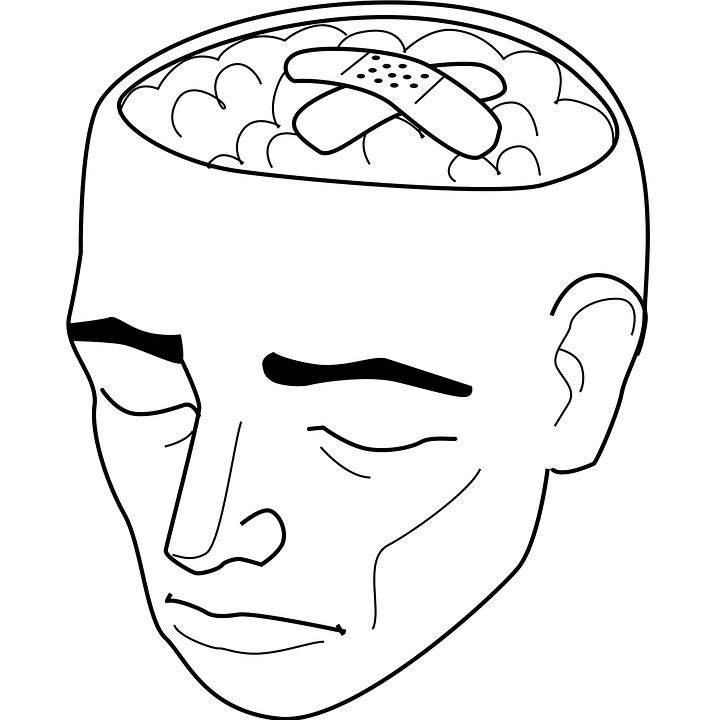
The many negative outcomes of untreated chronic depression: How can it affect your emotional memory and ways to recover them when it does happen: Strategies that can work!
Chronic depression is not simply a prolonged period of sadness; it is a complex condition that, when left untreated, can quietly reshape how a person thinks, feels, remembers, and experiences life. Over time, untreated depression affects emotional memory, distorts self-perception, and alters the brain’s natural ability to process emotions in a balanced way. The longer it persists, the more deeply it can influence behavior, relationships, and overall quality of life.
One of the most significant negative outcomes of untreated chronic depression is its impact on emotional memory. Emotional memory is the way the brain stores and retrieves experiences that carry emotional weight. In depression, the brain develops a strong bias toward negative emotional memories. Painful experiences, failures, losses, and moments of rejection are recalled more easily and with greater intensity than positive or neutral events. Meanwhile, memories associated with joy, success, or connection often fade, feel distant, or seem less meaningful. This imbalance reinforces the belief that life has always been painful and will remain that way, even when evidence suggests otherwise.
Over time, this negative filtering reshapes identity. Individuals may begin to define themselves through their lowest moments, believing that past struggles are proof of personal inadequacy rather than circumstances they survived. This distorted emotional memory can fuel hopelessness, making it difficult to imagine a future that feels different from the past. As a result, motivation declines, decision-making becomes impaired, and avoidance behaviors increase. People may withdraw socially, abandon goals, or stop engaging in activities that once brought fulfillment, further reinforcing depressive patterns.
Untreated chronic depression also affects emotional regulation. The brain becomes less flexible in responding to stress, leading to heightened emotional reactivity or emotional numbness. Small setbacks may feel overwhelming, while positive events fail to register fully. This emotional blunting is particularly damaging because it robs individuals of reinforcement that could otherwise support healing. Relationships often suffer as well, as depression can distort perceptions of others’ intentions, increase sensitivity to criticism, and reduce emotional availability.
Physiologically, prolonged depression is associated with changes in brain chemistry and neural pathways, particularly in areas involved in memory, mood regulation, and stress response. Elevated stress hormones over long periods can impair the brain’s ability to form new positive emotional memories, trapping individuals in a loop where the past feels heavier than the present. Sleep disturbances, fatigue, and cognitive fog further weaken resilience, making recovery feel even more out of reach.
Despite these challenges, emotional memory is not fixed. The brain remains capable of change, even after years of depression. Reversing the effects begins with recognizing that the depressive lens is not an accurate reflection of reality but a learned pattern shaped by untreated illness. Awareness alone can create distance between the individual and the negative narrative depression promotes.
One effective strategy involves intentionally rebuilding emotional memory through repeated positive experiences paired with conscious attention. Depression often prevents positive moments from being fully encoded in memory, so slowing down and deliberately acknowledging moments of safety, connection, or accomplishment helps the brain register them more deeply. Over time, this practice weakens the dominance of negative recall and strengthens emotional balance.
Therapeutic interventions play a critical role in reversing these patterns. Cognitive-based therapies help individuals identify distorted thinking linked to emotional memory and challenge beliefs rooted in past pain rather than present truth. Trauma-informed approaches can help process unresolved emotional experiences that continue to influence current reactions. Mindfulness-based practices train the brain to stay anchored in the present, reducing the tendency to relive emotionally charged memories that no longer serve a purpose.
Behavioral activation is another powerful tool. Even when motivation is low, engaging in meaningful or values-based activities can gradually reintroduce positive emotional input into the brain. These actions create new experiences that, with repetition, begin to reshape memory networks and emotional responses. Over time, the brain learns that effort can lead to reward, even if that reward initially feels muted.
Addressing chronic depression also requires attention to lifestyle factors that support brain health. Consistent sleep, physical movement, proper nutrition, and social connection all influence emotional regulation and memory processing. While these changes may seem simple, they directly support the brain’s ability to heal and adapt.
Most importantly, reversing the effects of untreated chronic depression requires compassion. Many individuals blame themselves for how long they have struggled, unaware that depression itself interferes with the ability to seek help or recognize alternatives. Healing does not mean erasing painful memories; it means integrating them without allowing them to dominate identity or future expectations.
When chronic depression is treated, emotional memory becomes more balanced. The past no longer defines the present, and the future feels open rather than predetermined by pain. With the right strategies, support, and persistence, the brain can relearn hope, restore emotional flexibility, and reconnect individuals with a sense of meaning and possibility that depression once obscured.
Learn More
The many ugly faces of trauma. How past traumatic events and circumstances can disrupt motivation and follow-through. Effective strategies to bypass these challenges
Trauma rarely announces itself in obvious ways. While many people associate trauma with extreme or catastrophic events, its influence often shows up quietly, embedded in everyday behaviors, thought patterns, and emotional reactions. One of the most overlooked impacts of trauma is how it disrupts motivation and follow-through. People may appear lazy, inconsistent, uncommitted, or self-sabotaging, when in reality they are navigating an internal nervous system shaped by past experiences that taught them it was safer not to try, not to hope, or not to fully engage.
Trauma reshapes the brain’s relationship with safety, effort, and reward. When someone has lived through chronic stress, neglect, abandonment, betrayal, or repeated failure, their nervous system learns to associate action with danger rather than opportunity. Motivation becomes complicated because taking initiative once led to pain, disappointment, or punishment. Follow-through becomes difficult because finishing something means exposure: to judgment, loss, visibility, or even success, which itself can feel unsafe if stability was never guaranteed. In this way, trauma doesn’t eliminate desire; it interrupts the bridge between intention and action.
One of trauma’s ugliest faces is avoidance disguised as rational thinking. The mind creates convincing explanations for procrastination, perfectionism, or disengagement, masking the deeper fear underneath. Another face is emotional exhaustion, where the body is perpetually braced for threat, leaving little energy for long-term goals. Trauma can also fragment focus, making it difficult to sustain attention or trust oneself to stay consistent. In many cases, people genuinely want change but feel internally blocked, as if pressing the gas while the brakes are still engaged.
Understanding this dynamic is the first step toward healing. Motivation cannot be forced in a system that feels unsafe. True progress begins by addressing regulation before discipline. Learning to calm the nervous system through grounding practices, breathwork, somatic awareness, or mindful pauses allows the body to experience action without alarm. When safety increases, motivation naturally follows. This is why small, low-risk actions are more effective than dramatic goal setting. Consistency at a manageable scale retrains the brain to associate movement with safety rather than threat.
Another powerful strategy is reframing follow-through as self-trust rather than performance. Trauma often erodes trust in oneself, especially when past efforts did not lead to protection or reward. Rebuilding follow-through means setting promises that are realistic and honoring them, even when they feel insignificant. Each kept commitment sends a message to the nervous system that effort no longer equals danger. Over time, this restores confidence not through positive thinking, but through lived evidence.
It is also essential to address the inner narratives formed during traumatic periods. Many people carry unconscious beliefs such as “Nothing I do will matter,” “I will fail anyway,” or “Success will cost me connection.” These beliefs quietly sabotage motivation. Challenging them requires compassion rather than confrontation. When individuals learn to observe these thoughts without identifying with them, they create space for new patterns to emerge. Therapy, coaching, journaling, and reflective practices can help untangle these narratives and replace them with grounded, realistic perspectives.
Ultimately, bypassing trauma-related motivation blocks is not about pushing harder; it is about moving smarter and kinder. Healing does not mean erasing the past, but learning how to act in the present without being governed by old survival strategies. When people understand that their struggle with follow-through is not a character flaw but a nervous system response, shame loosens its grip. In that space, motivation becomes less about willpower and more about alignment. Progress then unfolds not through force, but through patience, safety, and self-respect.
Learn More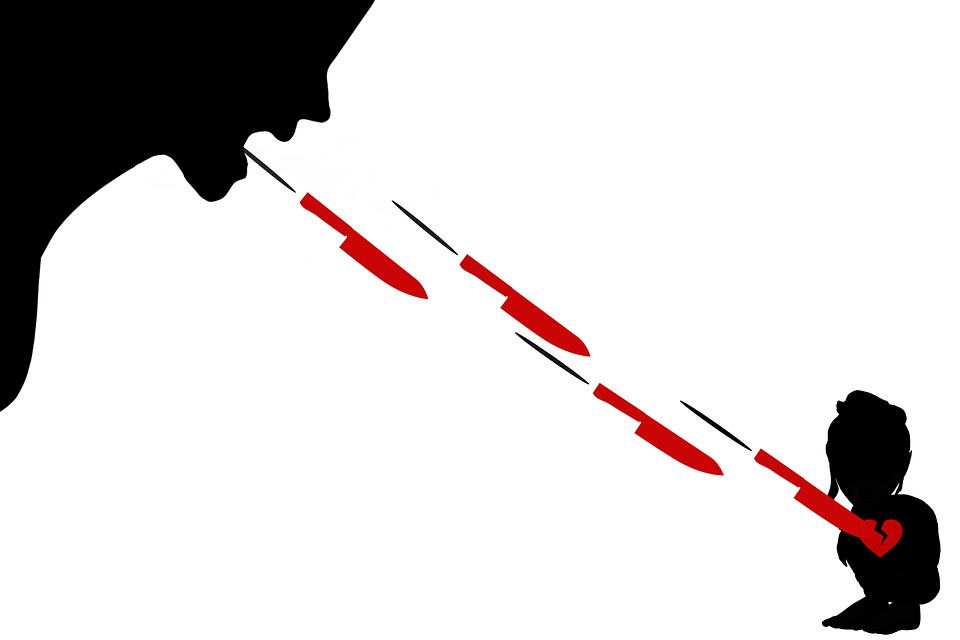
Small painful remarks or actions in romantic partnership can add up to severe mental health issues: How to heal micro-hurts that add up in long-term relationships and avoid resentment or revenge.
Small, painful remarks or subtle actions in a romantic partnership rarely feel catastrophic in the moment. A dismissive comment, a sarcastic jab, a forgotten promise, an eye-roll during a vulnerable conversation — they are often brushed aside as “not a big deal.” Yet over time, these tiny emotional bruises accumulate. Psychologists sometimes refer to them as micro-hurts: interactions that are too small to trigger confrontation on their own but frequent enough to erode trust, intimacy, and emotional safety. When left unaddressed, these experiences can grow into anxiety, depression, resentment, avoidance, emotional withdrawal, or even retaliatory behavior. Understanding how micro-hurts form, why they wound so deeply, and how to repair them is essential for preserving connection in long-term relationships.
Micro-hurts matter because the brain does not separate emotional injury from physical threat as neatly as we imagine. Each hurtful interaction activates the same stress response that signals danger. When a partner repeatedly feels dismissed, corrected, mocked, or minimized, the nervous system gradually shifts into self-protection mode. Instead of openness, curiosity, and affection, the relationship becomes filtered through vigilance and defensiveness. What begins as a minor sting turns into a pattern: one partner withdraws to avoid further pain, while the other interprets the distance as disinterest or hostility. Over months or years, these cycles shape emotional memory, and the relationship becomes defined not by connection, but by unresolved ruptures that never received healing attention.
The most damaging part of micro-hurts is their ambiguity. Because they are subtle, partners often struggle to justify their pain, telling themselves they are oversensitive or should “let it go.” The one who caused the hurt may say they were only joking or accuse the other of overreacting. As a result, the injury remains unspoken, where it transforms into silent resentment. The partner who feels invalidated may begin to rehearse arguments in their mind, pull away emotionally, or engage in covert forms of protest such as passive-aggressive remarks, withholding intimacy, or fantasizing about rejection as a way to regain control. What appears on the surface as coldness or irritability is often grief that has never been acknowledged.
Healing micro-hurts begins with naming them. Emotional wounds lose power when they are brought into compassionate dialogue instead of buried in silence. Partners must learn to describe their inner experience rather than accuse or blame. Instead of saying, “You always make me feel small,” a healing-oriented conversation sounds like, “When you joked about my idea in front of others, I felt embarrassed and unseen. I wanted support in that moment.” This type of language restores focus to emotions and needs rather than character judgments. It also gives the other partner a clear doorway to empathy rather than defensiveness.
Equally important is the ability to listen without minimizing. Repair cannot happen if the response to pain is explanation, self-justification, or mockery. Listening to micro-hurts requires slowing down and resisting the reflex to defend one’s intentions. The question is not whether the behavior was meant to hurt, but whether it did. When a partner can respond with curiosity — “I didn’t realize that affected you like that, tell me more” — the nervous system shifts from threat to safety. Apologies in this context are not about guilt; they are about reattunement. A sincere acknowledgment of impact reestablishes trust and communicates, “Your inner world matters to me.”
Partners must also learn to recognize the patterns that create repeated micro-hurts. Many arise from stress, fatigue, unresolved trauma, or communication habits learned in childhood. Some people default to sarcasm or criticism as a shield against vulnerability. Others shut down or withdraw when overwhelmed, inadvertently signaling indifference. Long-term couples benefit from exploring these underlying drivers rather than treating each incident as isolated. When both partners understand the emotional history behind their reactions, compassion replaces blame, and new behaviors become possible.
Healing is not complete without establishing ongoing systems of care within the relationship. Small gestures of repair — checking in after conflict, validating feelings, expressing appreciation, or offering physical comfort — act as emotional counterweights to the micro-hurts that once accumulated unchecked. These acts of reassurance remind both partners that they are on the same team. Intimacy deepens when partners actively choose connection in the moments when distance would be easier.
Avoiding resentment and revenge in long-term relationships requires rejecting the fantasy that time alone heals emotional wounds. Silence does not dissolve pain; it calcifies it. When micro-hurts are ignored, they transform into narratives about who the partner is: selfish, uncaring, controlling, dismissive. Once these stories take hold, every new interaction is filtered through suspicion. However, when partners intentionally repair small ruptures as they occur, they prevent those narratives from forming and protect the relationship from bitterness.
Self-reflection plays a powerful role as well. Each partner benefits from asking difficult but necessary questions: Do I use humor to dismiss discomfort? Do I interrupt or correct to maintain control? Do I withdraw when confronted instead of staying emotionally engaged? Recognizing one’s own contribution to micro-hurts is not an admission of blame but an act of emotional maturity. Long-term relationships thrive when both partners accept responsibility for their impact and actively participate in creating a more secure emotional environment.
In circumstances where micro-hurts have already accumulated to the point of deep mistrust or emotional exhaustion, outside support may be necessary. Couples therapy or individual counseling can provide a structured space to process resentment, explore attachment dynamics, and relearn methods of communication that foster safety rather than injury. Professional guidance can help partners disentangle longstanding hurt from current behavior, rebuild emotional attunement, and develop resilience against future rupture.
Ultimately, the health of a relationship is shaped less by the absence of conflict and more by the presence of repair. No partnership is free of small disappointments or misunderstandings. What determines whether they become sources of growth or seeds of resentment is how quickly and compassionately they are addressed. Healing micro-hurts requires courage — the courage to speak honestly about pain, to listen with humility, to apologize sincerely, and to choose tenderness even when feeling vulnerable. When partners commit to this process, they transform moments of disconnection into opportunities for greater intimacy, ensuring that love grows not despite imperfection, but through the mindful healing of it.
Learn More
Hard conversations in loving relationship: How to have healthier discussions about sexual expectations. When to “agree to disagree” related to intimacy frequency and more! Answers revealed.
Even in the most loving relationships, conversations about sex can feel surprisingly difficult. Intimacy is deeply personal, and discussions about sexual expectations often touch on vulnerability, self-worth, and emotional security. Many couples avoid these conversations not because they don’t care, but because they care deeply and fear causing harm. Yet when these topics remain unspoken, they tend to surface in other ways—through distance, resentment, or quiet disconnection.
Sex is rarely just about the physical act. It reflects how connected we feel, how safe we are emotionally, and how valued we believe we are by our partner. When two people experience intimacy differently or desire it at different levels, it can trigger powerful internal stories. One partner may interpret less frequent intimacy as rejection, while the other may experience pressure or fear of disappointing the person they love. Without open dialogue, these interpretations can slowly erode closeness.
Healthy conversations about sexual expectations begin long before the topic of frequency or desire is even raised. Emotional safety is the foundation. Choosing a calm, neutral moment allows both partners to feel grounded rather than defensive. When the conversation opens with reassurance and care instead of criticism, it signals that the goal is connection, not blame. Speaking from personal experience rather than accusation creates space for honesty on both sides.
Listening plays an equally important role. Many couples enter these conversations focused on being understood but forget the importance of understanding. When partners feel truly heard—without interruption, judgment, or the need to immediately respond—the emotional tone of the discussion shifts. Differences stop feeling like threats and start becoming shared challenges to navigate together.
Desire itself is far more complex than most people realize. It fluctuates with stress, mental health, physical well-being, hormones, life transitions, and emotional closeness. A difference in sexual desire does not mean something is broken or that love is lacking. More often, it means that two nervous systems are responding differently to life at that moment. Approaching this reality with curiosity instead of assumption can transform tension into empathy.
Conversations about intimacy frequency are most productive when they move away from demands and toward meaning. Rather than focusing solely on how often sex happens, couples benefit from exploring what intimacy represents to each of them. For some, it is reassurance and bonding; for others, it requires feeling relaxed, emotionally close, or free from pressure. When intimacy is defined broadly—encompassing affection, closeness, and emotional presence—it becomes easier to meet each other without forcing alignment.
Compromise becomes healthy when it is rooted in mutual respect rather than obligation. True compromise does not involve one partner consistently overriding their boundaries or the other suppressing their needs. Instead, it grows from collaboration, flexibility, and a shared desire to care for the relationship. When both partners feel valued, adjustments feel like teamwork rather than sacrifice.
There are times, however, when couples reach a point where differences remain despite sincere effort. In these moments, agreeing to disagree can be an act of emotional maturity. Acceptance becomes possible when both partners acknowledge the difference without resentment and continue to nurture emotional closeness. Not every difference must be solved to sustain a loving relationship.
Yet there are also situations where agreeing to disagree is no longer enough. When sexual differences lead to ongoing resentment, emotional withdrawal, or feelings of pressure or rejection, intimacy can become a source of pain rather than connection. At this stage, the issue is no longer just about sex, but about emotional safety and relational health. Seeking professional support can help uncover deeper patterns and provide a safe space for honest exploration.
Emotional intimacy often sets the stage for physical intimacy. Feeling appreciated, seen, and emotionally connected can significantly influence desire. Small, consistent moments of affection, presence, and appreciation often do more to support intimacy than any single conversation ever could. When emotional closeness grows, physical connection frequently follows in a more natural and fulfilling way.
Hard conversations about sexual expectations are not meant to divide couples—they are meant to bring them closer. They invite vulnerability, trust, and deeper understanding. Relationships are not strengthened by perfect compatibility, but by the willingness to face difficult topics with compassion and respect. When couples choose openness over avoidance and curiosity over judgment, intimacy evolves into something richer, safer, and more deeply connected.
Learn More
Lingering childhood trauma: How can it affect your career success if left untreated and ignored. Figuring out the most productive way to address the past.
Childhood trauma doesn’t stay in a box marked “past.” When left untreated or ignored, early wounds can quietly shape the way you work, lead, take risks, relate to colleagues, and tolerate stress — sometimes sabotaging career potential long before you realize it. The good news: with targeted strategies, professional help, and workplace adjustments, you can interrupt those patterns and redirect your energy toward growth and sustained success. This article explains how trauma shows up in a career, why it matters, and a practical, productive roadmap to address the past.
How childhood trauma can influence career development (the mechanisms)
- Threat-driven physiology. Trauma sensitizes the nervous system. In work settings this looks like hyper-vigilance, quick stress reactions, or freeze responses under pressure — which can limit creativity and problem-solving in high-stakes moments.
- Attachment and trust patterns. Early relational wounds shape how you relate to bosses, mentors, and teammates. You may avoid closeness (keeping colleagues at arm’s length), or you may overly depend on approval, both of which hamper authentic leadership and collaboration.
- Self-concept and belief systems. Trauma often produces internalized messages — “I’m not enough,” “I don’t deserve success,” or “If I show weakness I’ll be rejected.” These feed imposter syndrome, risk aversion, and missed opportunities.
- Emotion regulation and decision-making. Difficulty tolerating uncomfortable emotions can prompt escape behaviors (avoidance, procrastination, overwork, substance use), impulsive decisions, or chronic indecision — all costly for career trajectory.
- Performance under feedback. Trauma can make critical feedback feel like personal attack, leading to defensiveness, withdrawal, or persistent anxiety around evaluations and promotions.
- Burnout and avoidance. Unresolved trauma increases vulnerability to burnout, absenteeism, and disengagement — sometimes interpreted by employers as “poor fit” rather than a treatable health issue.
Typical workplace signs that trauma may be influencing performance
- Chronic second-guessing and perfectionism that slow projects down.
- Extreme reactions to routine feedback (catastrophizing or stonewalling).
- Difficulty maintaining boundaries (saying yes to everything) or, conversely, isolating to avoid conflict.
- Frequent job-hopping or self-sabotage near promotions.
- Physical symptoms in high-pressure situations: panic, dissociation, memory blanks.
- Recurrent interpersonal conflicts with coworkers that feel out-of-proportion.
If several of these describe you regularly, trauma-informed support may be helpful.
Why ignoring it is costly (short- and long-term)
- Short-term: missed promotions, strained relationships, reduced productivity, poor decision-making in critical moments.
- Long-term: a career path shaped by avoidance (settling for less), chronic health effects, and cumulative missed opportunities that compound over decades.
Treating trauma isn’t only about wellbeing — it’s an investment in career capital.
The most productive, evidence-aligned ways to address the past
Note: the right path depends on your needs. If you’re in crisis or having thoughts of self-harm, seek immediate professional help.
1. Start with targeted professional help
- Therapy modalities that commonly help with childhood trauma: trauma-informed cognitive-behavioral therapy (CBT), Eye Movement Desensitization and Reprocessing (EMDR), somatic therapies (which work with body sensations), and attachment-focused therapies. A trauma-informed clinician assesses safety and builds gradual exposure and regulation skills.
- Coaching + therapy combo: career coach for actionable workplace strategies together with therapy for deeper healing can accelerate progress.
2. Build emotion regulation skills first
- Learning to calm your nervous system (breathing, grounding, paced activity, simple movement) gives you more choice in stressful moments and prevents reactive behaviors that derail meetings or negotiations.
3. Reframe beliefs with evidence-based practices
- Use cognitive techniques to test “automatic thoughts” (e.g., “If I make a mistake they’ll fire me”) and replace them with realistic alternatives. Small experiments at work can disconfirm catastrophic beliefs.
4. Practice interpersonal skill-building
- Role-play difficult conversations, rehearse receiving feedback, and script boundary language. These practice runs reduce threat responses when the real moment arrives.
5. Use gradual exposure to feared career moves
- If promotions or public speaking trigger trauma-based fear, take incremental steps (present small parts of a talk, accept low-stakes leadership tasks) to build mastery.
6. Create pragmatic workplace supports
- Confidential mentoring, flexible schedules during therapy phases, or limiting meetings when you’re overloaded can make healing compatible with job demands. If disclosure is considered, plan it carefully — a brief script, clear ask (e.g., temporary flexibility), and identifying a trusted HR or manager ally.
7. Cultivate restorative routines
- Sleep hygiene, consistent movement, nutrition, and micro-recovery (short breaks, nature exposure) stabilize mood and cognition, amplifying therapeutic gains.
8. Track measurable progress
- Set small, observable goals: attend X feedback meetings without leaving early, apply for one stretch role, or reduce sick days by Y. Objective wins reinforce new identity narratives.
Tips for managers and teammates (if you’re supporting someone)
- Validate the person’s experience and focus on behaviors at work rather than assumptions about cause.
- Offer flexible support (mentorship, temporary workload adjustments) without stigmatizing language.
- Encourage use of employee assistance programs and confidential mental health resources.
- Promote a psychologically safe culture where learning from mistakes is rewarded.
Measuring success: what progress looks like
- Less reactivity to feedback, better sleep, clearer decision-making, sustained attendance, and willingness to pursue stretch assignments.
- Internal indicators: a reduced sense of shame, increased agency, and a stronger narrative of “I can grow.”
- Career indicators: completed projects, promotions pursued, improved peer relationships.
Few concluding words of effective reasoning: Healing is strategic work, not a detour
Addressing childhood trauma is not an indulgence or a career sidetrack — it is strategic professional development. When you reduce threat-based responses, correct limiting beliefs, and build interpersonal courage, you free cognitive and emotional energy to learn, lead, and take the kinds of risks that create long-term success. Start with small steps, pair therapy with practical workplace strategies, and track concrete wins. Over time, what once felt like an invisible brake can become the foundation of more honest, resilient, and fulfilling professional life.
Learn More